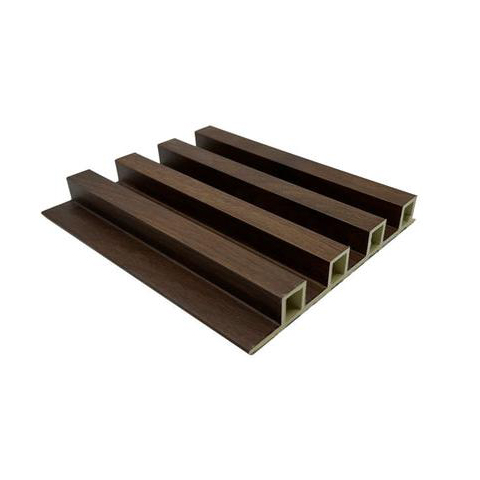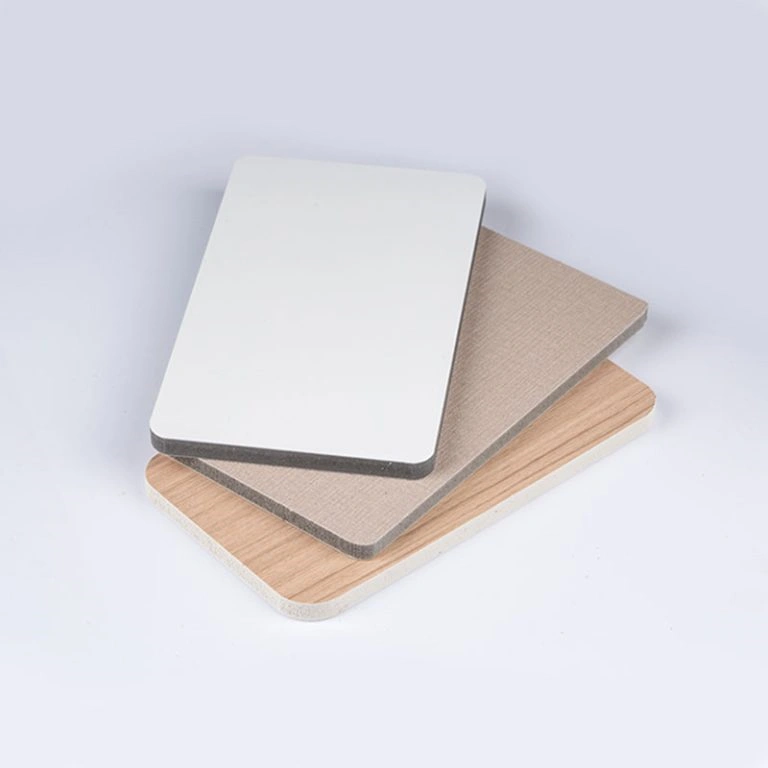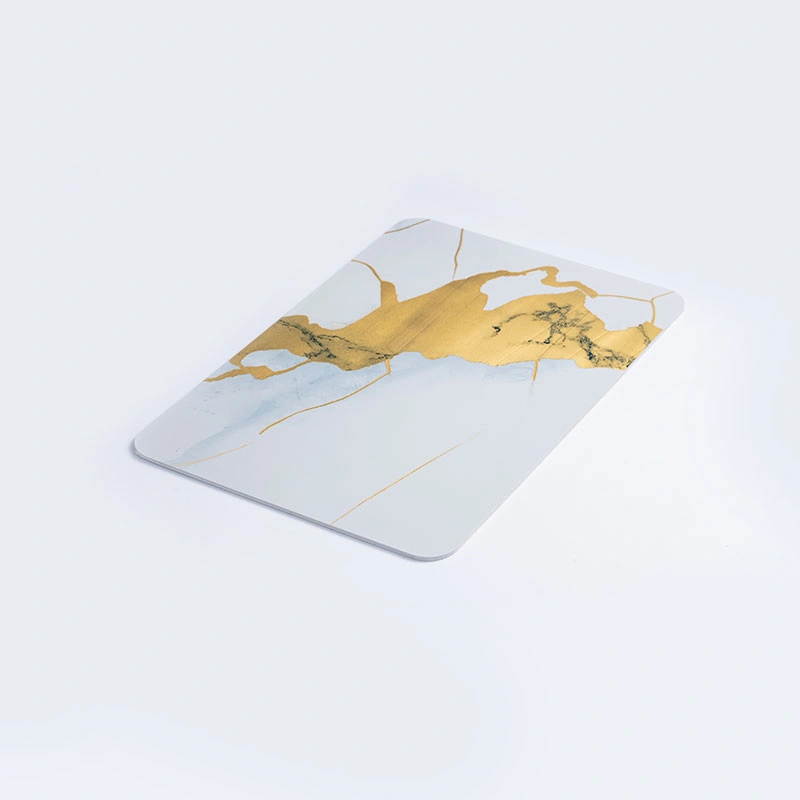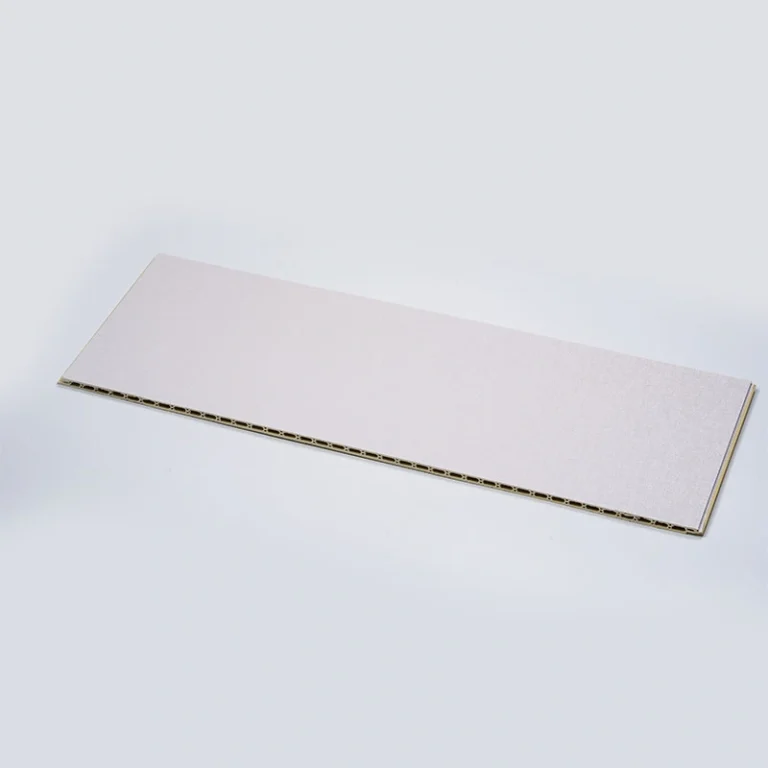


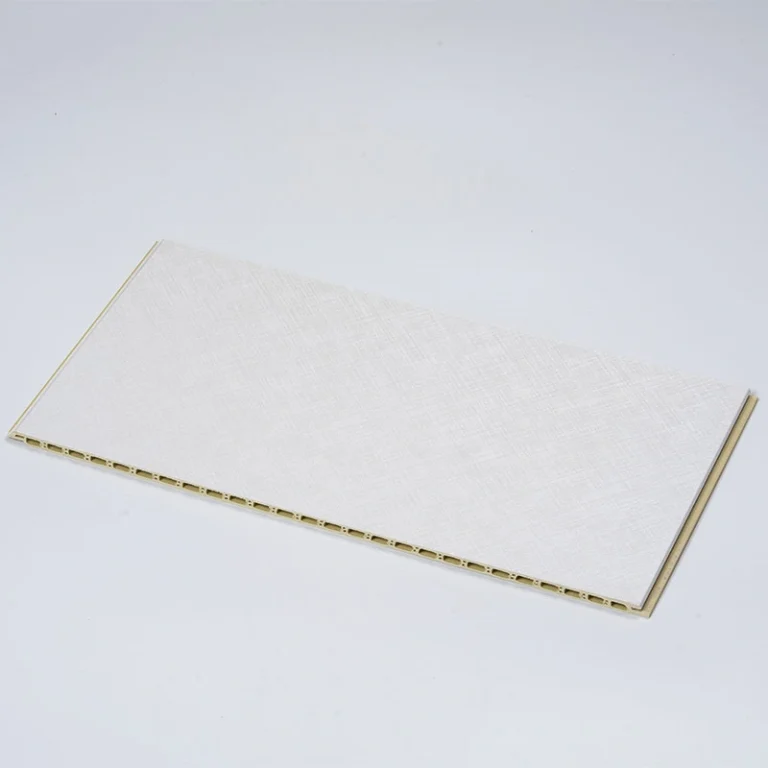
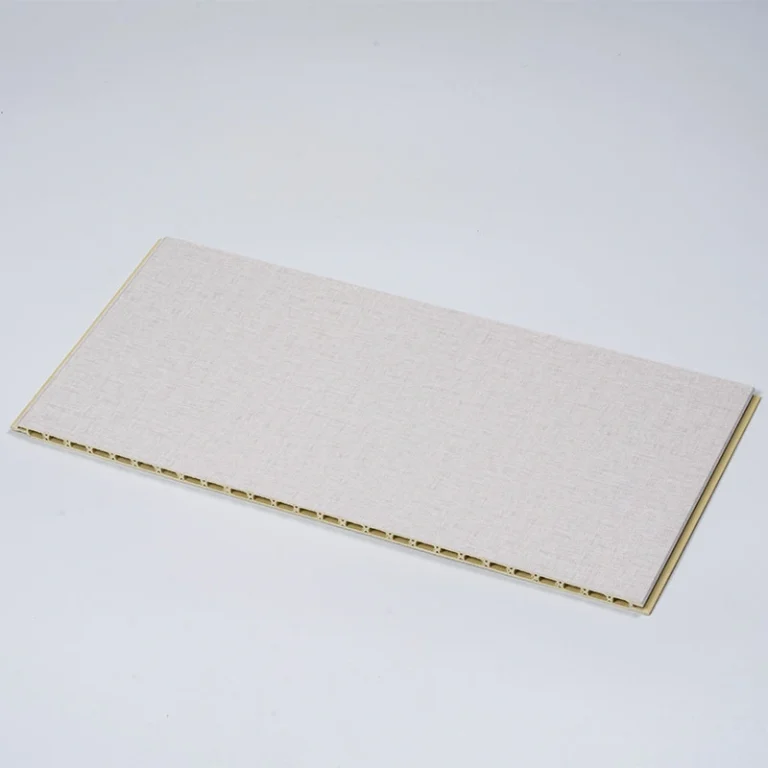
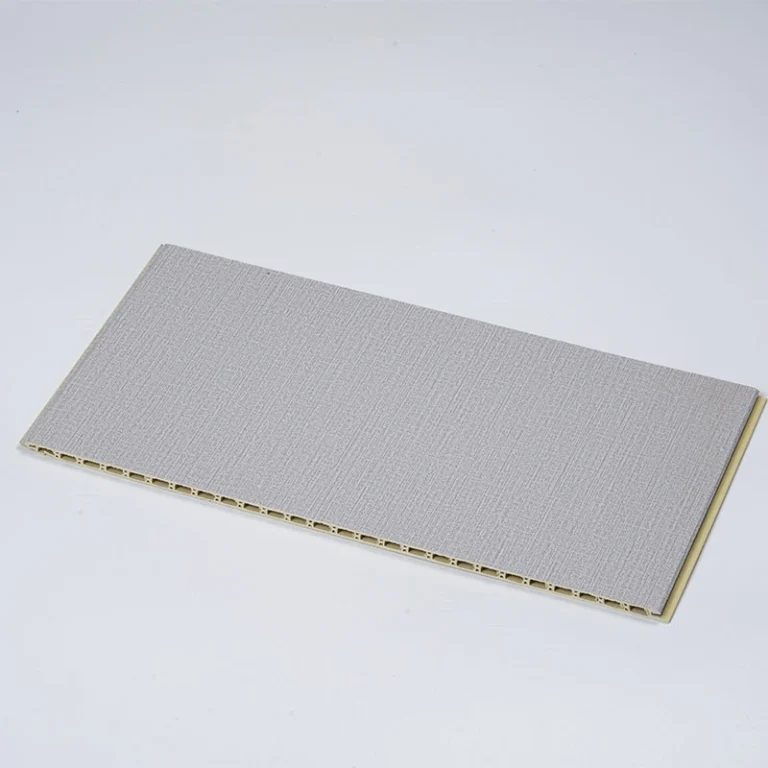
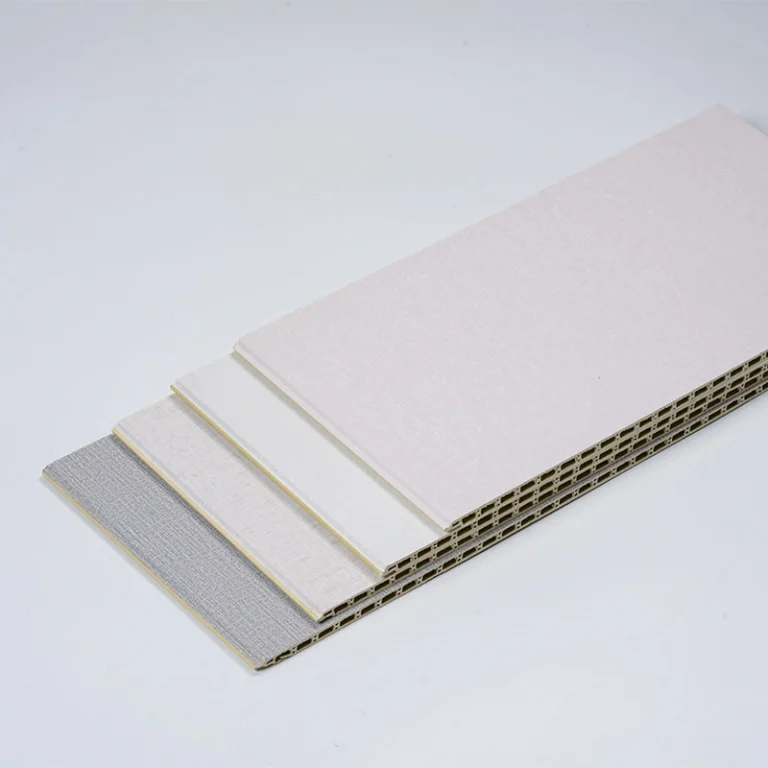
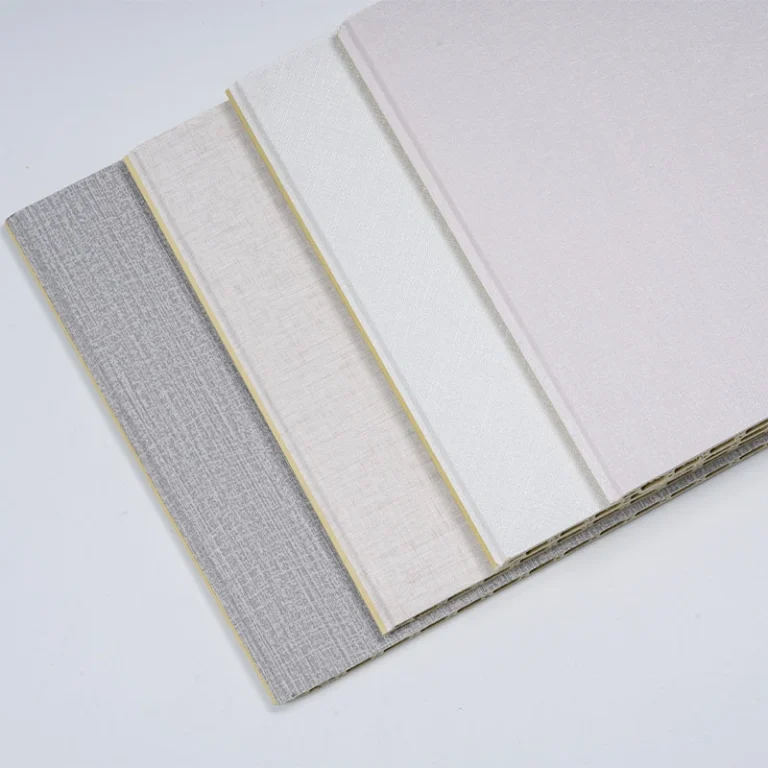
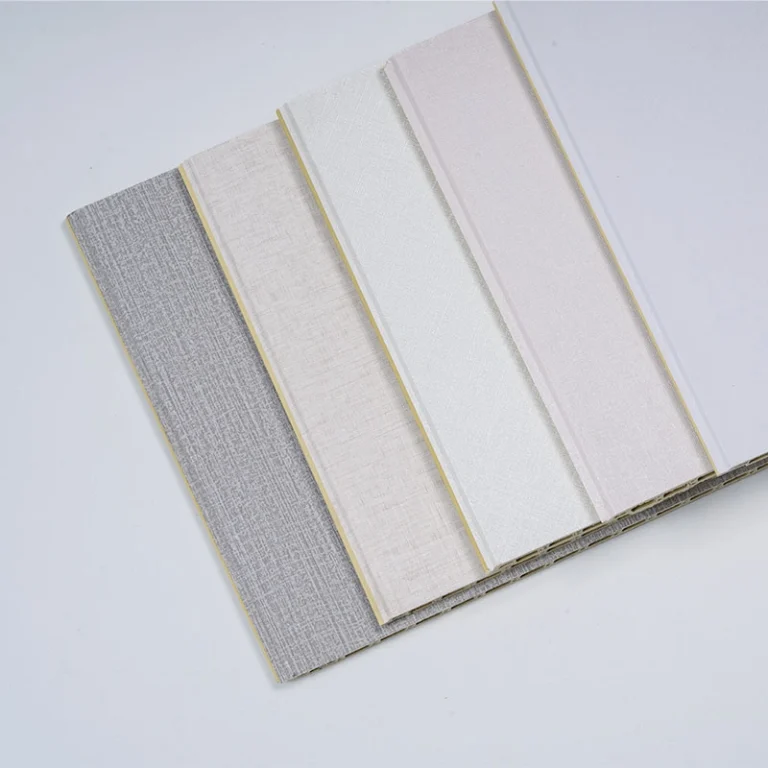
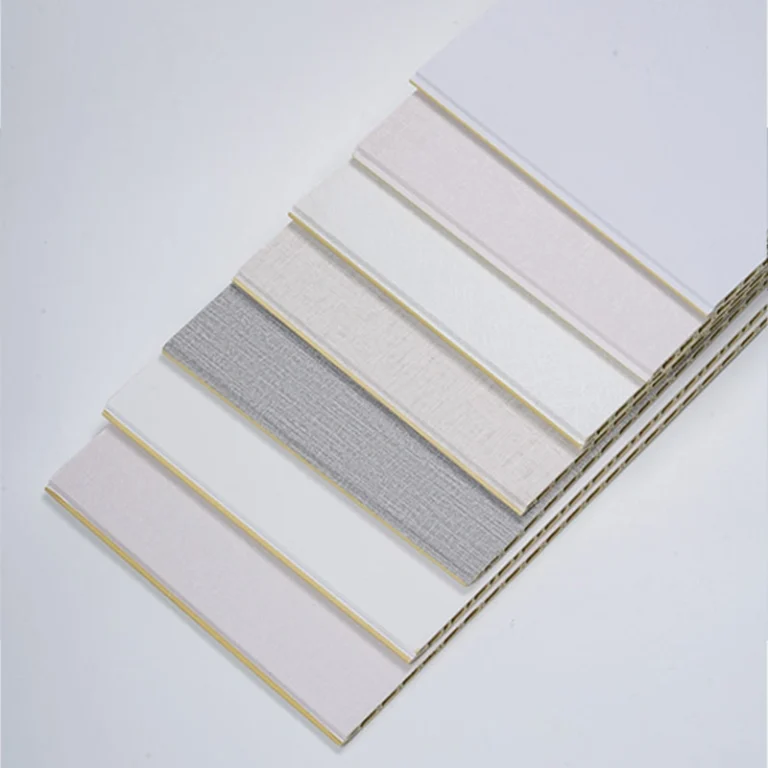
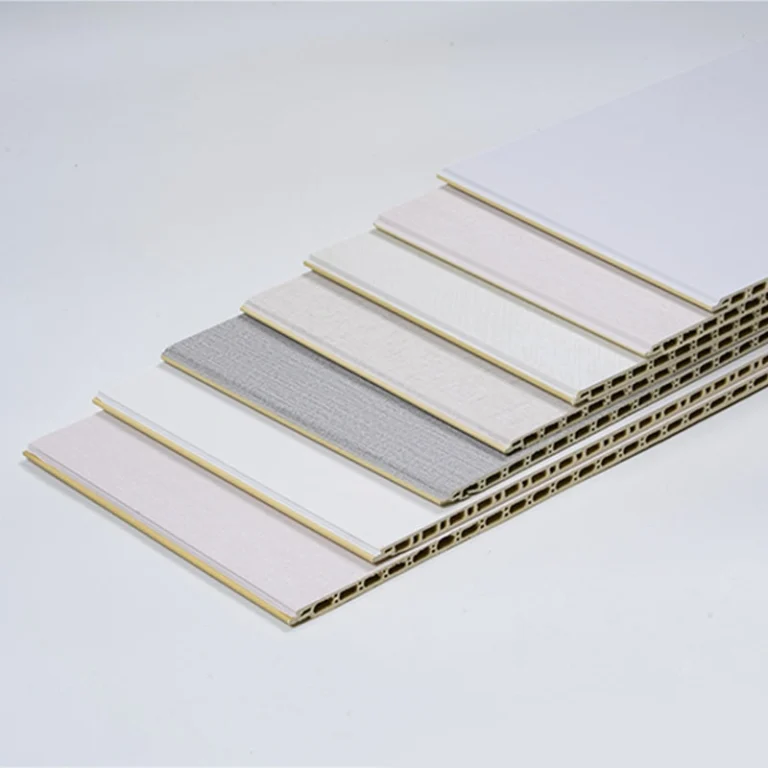
Color&Series
Fabric texture series
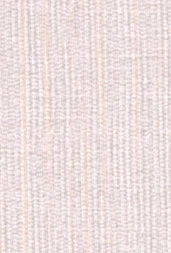






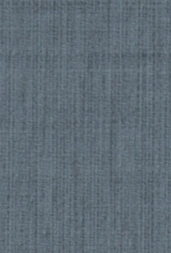
Solid Color Series








Metal Series
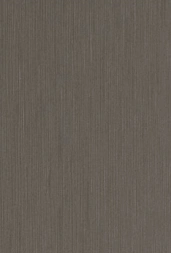
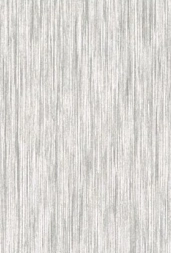
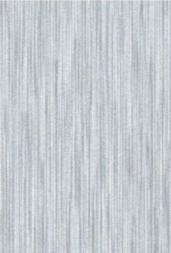
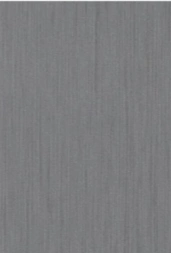
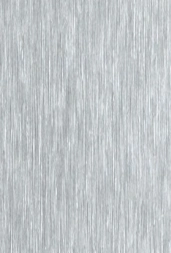
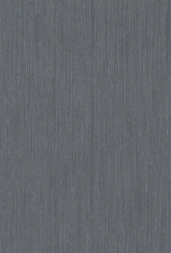
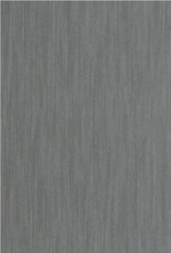
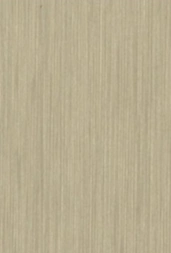
Features
Superior Waterproof & Moisture-proof
Fully moisture-proof, water absorption <0.5%, completely prevents mold issues
Easy & Efficient Installation
Modular click-lock design increases installation efficiency by 60% vs traditional materials
Durable & Low-maintenance
Impact-resistant, corrosion-resistant, easy cleaning with damp cloth
Eco-friendly & Safe
Formaldehyde-free, certified by international eco-standards
Aesthetic & Cost-effective
Multiple design options, 30-50% lower overall cost than traditional materials
Application Areas
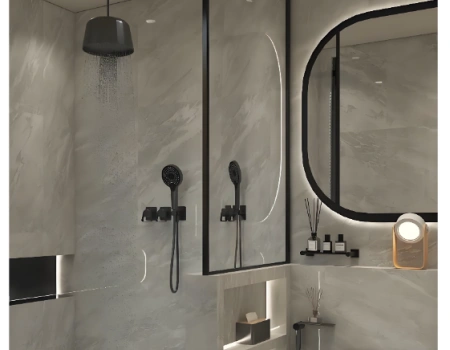
PVC Wall Panel for bathrooms

PVC Wall Panel for bedroom feature walls
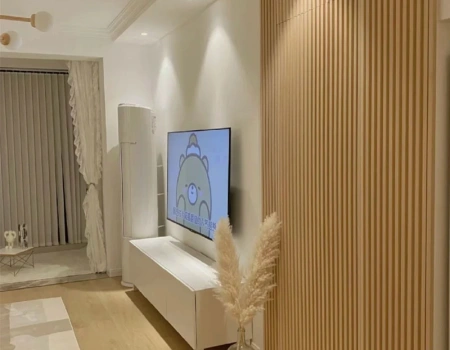
PVC Wall Panel for hotel rooms
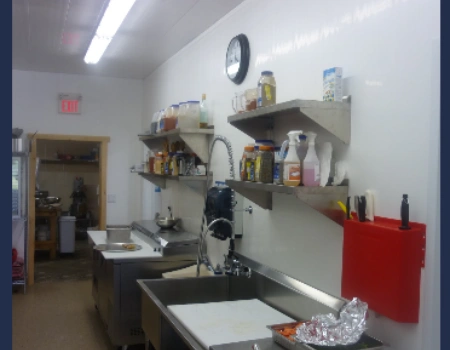
PVC Wall Panel for kitchens
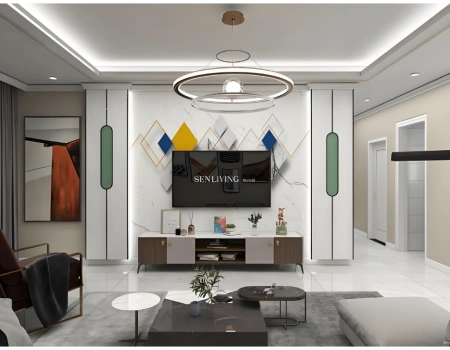
PVC Wall Panel for living room TV walls
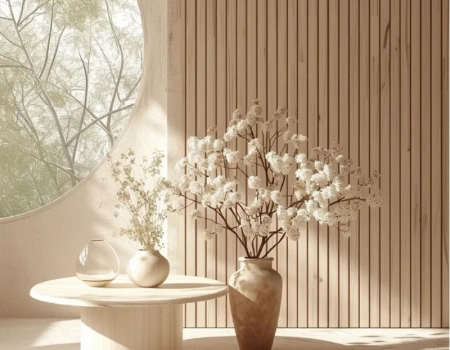
PVC Wall Panel for Public Spaces
Parameters
| Parameter | Description |
| Model / Size | 1220*2440mm or Customized |
| Thickness | 2-8mmor Customized |
| Material | Recommended base formula: PVC 65%, Calcium Carbonate 25%, Stabilizer 2.5%, Foaming Agent 1.5%, Modifier 5%, Lubricant 1%. |
| Surface Finish | wood grain, stone vein, solid colors, and 3D patterns.(Customizable) |
| Color Series | Basic Versatile Color Series, Natural Fresh Color Series, Vivid Personality Color Series, DIY (Customizable) |
| Application | Building Facades,Interior Decoration,Commercial Spaces |
| MOQ | 20GP Container |
| Accessories | Mounting Kit (Screws, Wall Plugs), Saw, Screwdriver, Tape Measure, Pencil, Power Drill, Rubber Mallet |
| Service Life | 25+ Years |
| Certifications | FSCf CE, ISO 9001:2008, SGS |
| Maintenance | Low Maintenance, No Painting, No Glue |
| Packaging | Cartons, Wooden Pallets, Corner Protectors |
FAQ
Think of a PVC wall panel as a high-performance skin for your interior walls. It’s a decorative cladding made from rigid polyvinyl chloride, usually featuring a hollow “honeycomb” structure that makes it incredibly lightweight but surprisingly tough. Unlike traditional drywall or wood, these panels come pre-finished with textures that mimic everything from Carrara marble to natural oak, meaning you get the high-end look without the heavy masonry work.
While you can use them anywhere, they are the “holy grail” for damp or high-traffic areas. Because they are completely non-porous, they are primarily used in bathrooms and kitchens where steam and splashes would ruin paint or wallpaper. We also see them heavily used in commercial spaces like basement conversions, laundromats, and office corridors because they can take a beating and stay looking new for years.
The beauty of these panels is the “Tongue and Groove” system. It’s a lot like laying a laminate floor, but on your wall. You basically interlocking the edges and secure them to the wall using a strong structural adhesive (like a solvent-free “no nails” glue) or by stapling/screwing the back flange to a timber batten frame. It’s a dry process—no cement, no grout, and zero mess—which usually cuts installation time by about 70% compared to tiling.
(Refining this to focus on the Wall Panel context): No material is perfect. The main trade-off with PVC is heat sensitivity. You can’t install these directly behind a gas hob or near an open flame, as they can warp if they get too hot. Also, while they are impact-resistant, a sharp, heavy object can puncture the hollow surface. Unlike wood, you can’t just “sand out” a deep scratch; usually, you’d have to replace the entire plank if it gets seriously gauged.
If you just look at the price tag of a single plank, they might seem pricier than a tin of paint. But when you factor in the Total Cost of Ownership, they are incredibly cheap. You’re skipping the cost of a professional tiler, the cost of grout/adhesive, and the future cost of repainting every three years. For a landlord or a budget-conscious homeowner, the fact that they are “fit and forget” makes them one of the most cost-effective wall coverings on the market.
In a typical residential setting, these panels will easily outlast your furniture. You’re looking at a 20 to 25-year lifespan without any significant fading or structural breakdown. Because they don’t rot, mold, or attract termites, the only reason people usually replace them is because they want to change the color scheme of the room, not because the panels failed.
This is a common concern. Modern, high-quality PVC panels are 100% recyclable and often made from a mix of recycled plastics. From a safety standpoint, they are typically lead-free and carry a Class 1 (B1) fire rating, meaning they are flame-retardant and won’t act as fuel for a fire. They are also much better for indoor air quality than wallpaper or cheap paint because they don’t release harmful VOCs over time.
Quality Certification