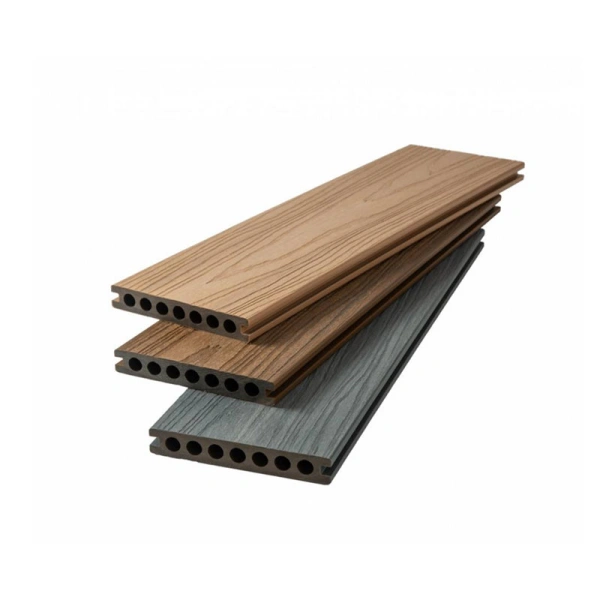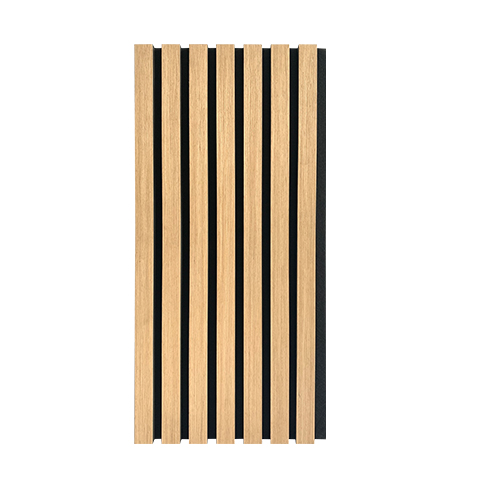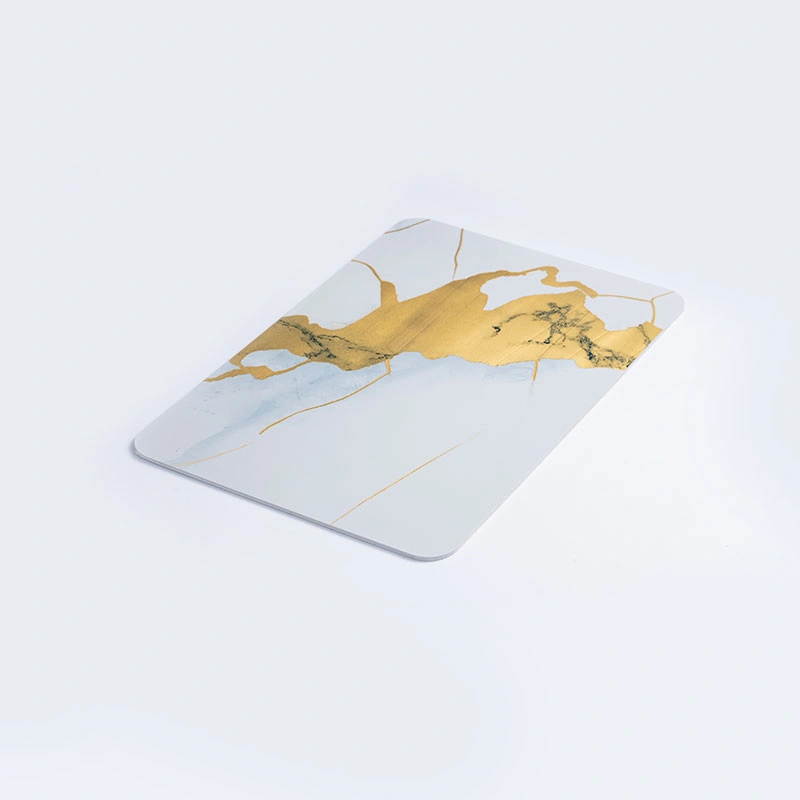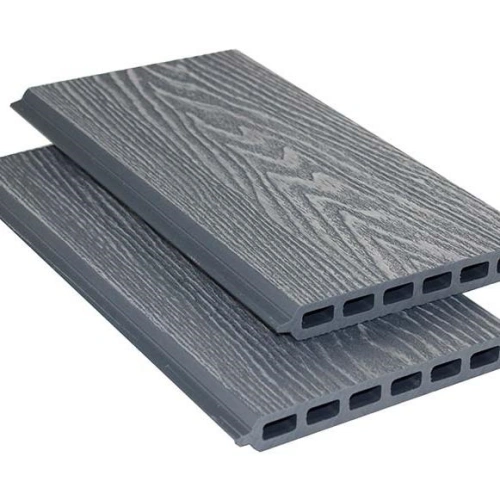

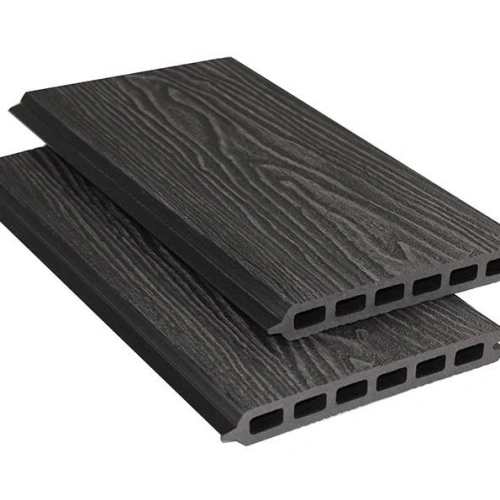
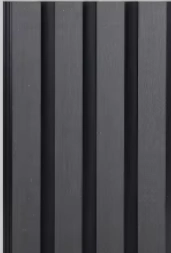
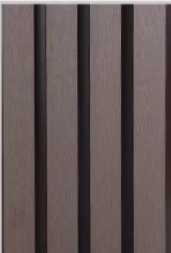
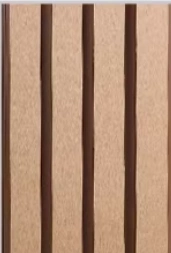
Color&Series


Features
Greater Durability
Adopt the improved wood-plastic formula and process of anti-ultraviolet ray, moisture-proof and mildew-proof for long-term use is not easy to crack and deformation or fading life longer.
More Environmentally Friendly And Low Carbon
No preservatives or paints are required,reducing environmental pollution.
Easy For Installation
Designed with snap-on or modular structure for simpler and faster installation to save labor costs Some products can also realize tool-less splicing.
Highly simulated and aesthetically pleasing
Upgraded technology closer to the texture of natural wood provides a variety of style options to meet the aesthetic needs of modern landscapes.
Application Areas

Composite Fence Boards & Panels for Garden

Composite Fence Boards & Panels for Park Fence
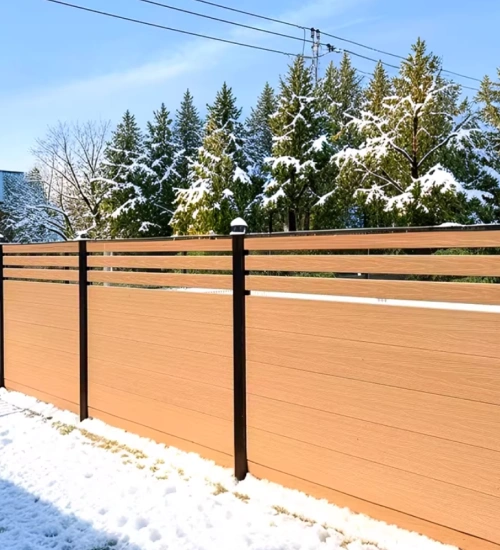
Composite Fence Boards & Panels for Private courtyard
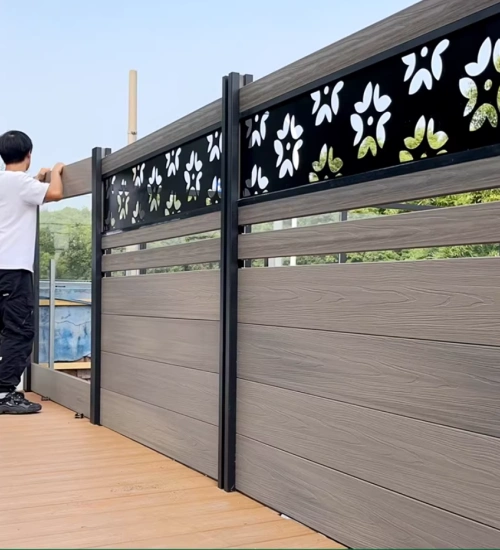
Composite Fence Boards & Panels for Villa fence
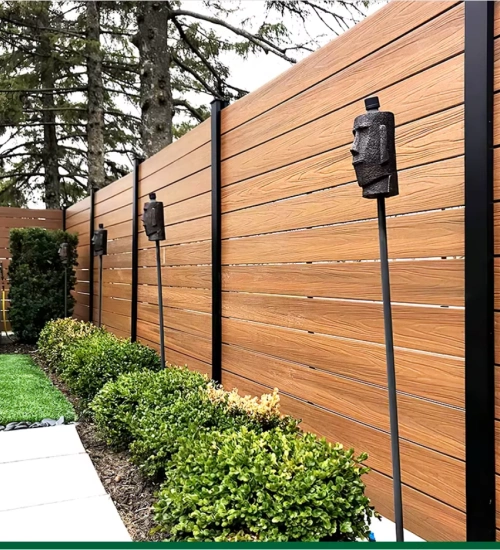
Composite Fence Boards & Panels for Waterside fence
Parameters
| Product name | Composite Fence Boards & Panels |
| Material | WPC |
| Application | Hotel,Apartments,Office Building and so on |
| Certification | CE |
| Surface Treatment | Wood grain |
| Service | 3D modeling, video of installation |
| Size | Customized |
| Feature | Fireproof/Waterproof/Anti-scratch |
FAQ
They are typically made from a blend of recycled wood fibers/plastic (like HDPE or PVC) and binding agents. This creates a durable, wood-like product that resists rot, insects, and weathering.
Composite fencing offers superior durability and much lower maintenance. It doesn’t require staining, sealing, or painting, and won’t warp, crack, splinter, or rot like wood. The initial cost is higher, but lifetime cost is often lower due to minimal upkeep.
Most reputable manufacturers offer warranties of 15 to 30 years, with an expected lifespan often exceeding that with proper installation.
Yes. The plastic content makes it impervious to rot and termites. Mold and mildew can grow on any surface in damp, shady conditions, but it cleans off easily and doesn’t degrade the material.
In short, composite fencing is a high-tech alternative to traditional timber. It’s engineered from a blend of recycled plastic fibers and reclaimed wood flour. This mixture is extruded into dense, solid boards that look like natural wood but possess the durability of plastic. Unlike a simple PVC fence, composite panels have a textured, “earthy” feel and enough structural weight to withstand heavy winds, making them a premium choice for modern privacy screening.
If you only look at the receipt on day one, no—composite is more expensive upfront than pressure-treated pine or cedar. However, if you look at the “Life-Cycle Cost,” composite is significantly cheaper. You have to remember that wood fences require staining, sealing, and plank replacements every 2–3 years to prevent rot. With composite, you spend more at the start but save thousands of dollars and countless weekends on maintenance over the next two decades.
Actually, many contractors find it easier because the boards are perfectly straight—no warped or “crowned” planks to fight with. Most systems use a “tongue-and-groove” or a “channel-post” method where the boards slide into place and lock together. You don’t need specialized “composite tools”; your standard miter saw and drill work just fine. It’s essentially a giant, outdoor-rated Lego set for your backyard.
It’s arguably the greenest fencing option on the market. Most composite boards are made from up to 95% recycled materials, including plastic grocery bags and wood scraps that would otherwise end up in a landfill. By choosing composite, you’re also reducing the demand for chemically treated lumber, which often involves harsh pesticides that can leach into your garden’s soil over time.
Quality Certification