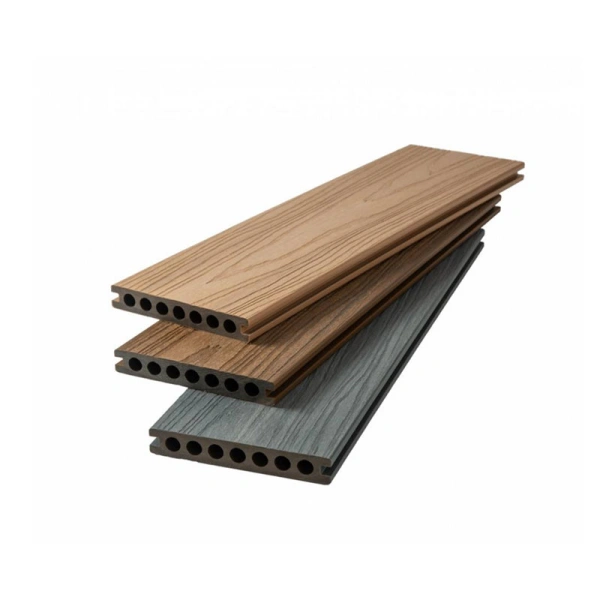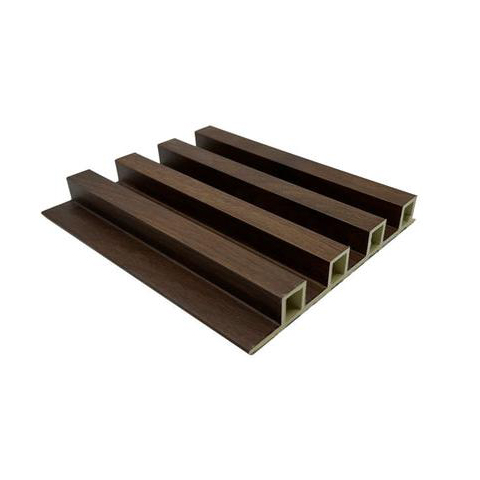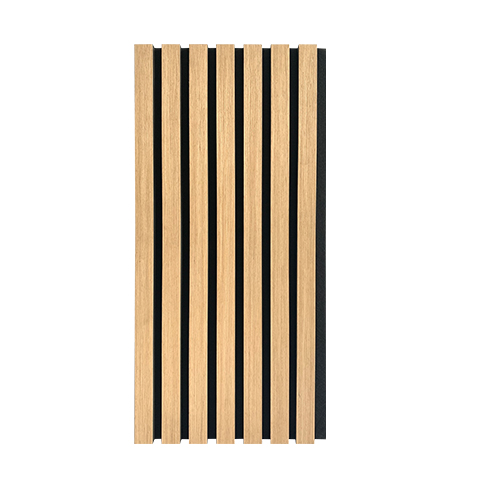
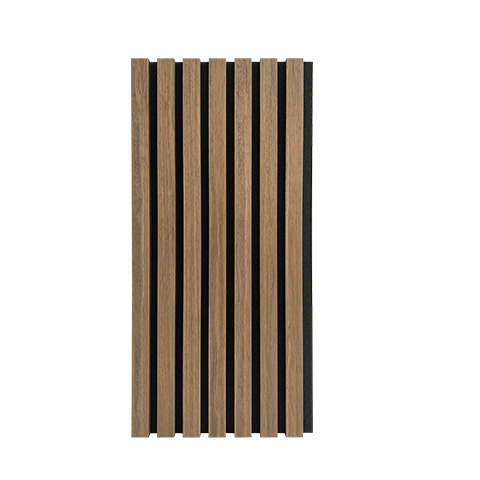
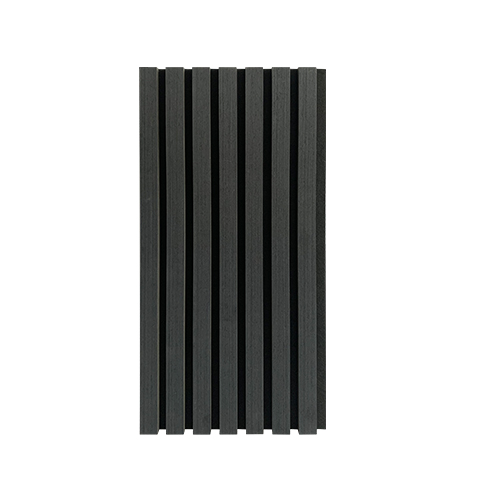
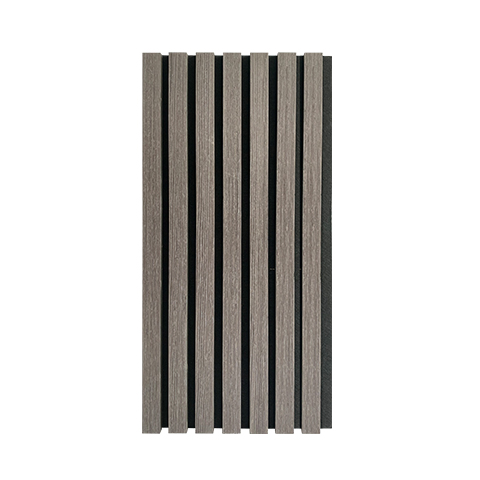

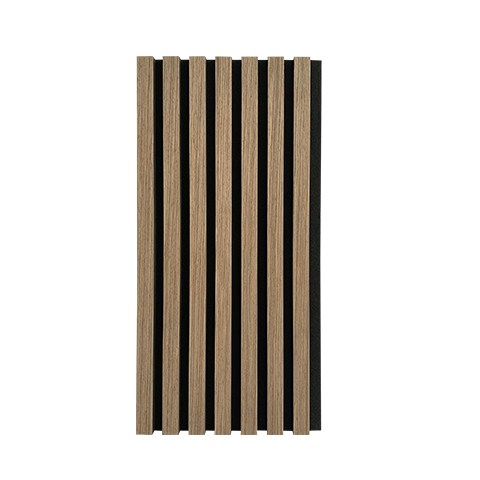

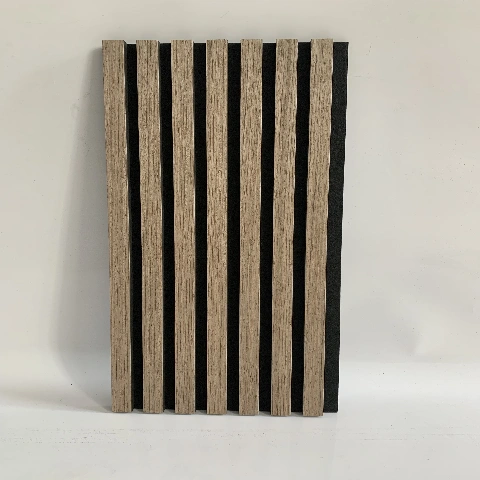

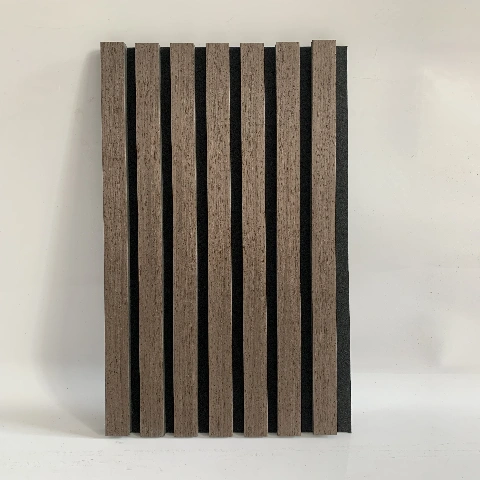
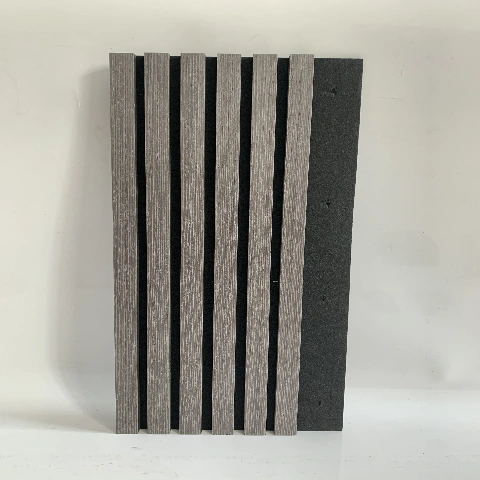


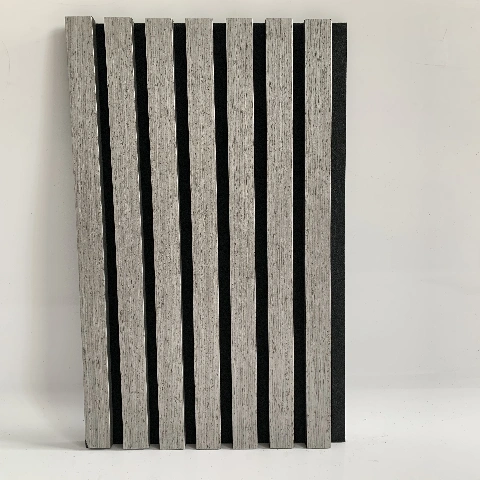
Color&Design
Solid color series








Gray series





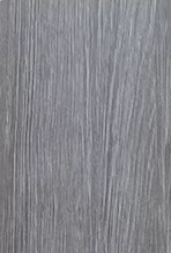
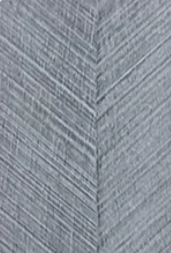
Wood grain series
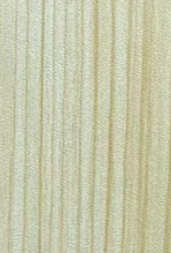


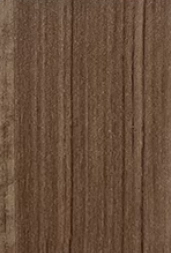




Features
High Acoustic Performance
Professional sound-absorbing material with NRC up to 0.9-1.0, effectively reducing 80% reverberation noise and enhancing speech clarity.
Flexible Space Adaptation
Modular design allows free splicing combinations, adapting to diverse scenarios like home theaters, offices, and classrooms, covering both commercial and residential applications.
Aesthetic & Practical Fusion
Offers surfaces like wood grain/fabric/solid colors, supports custom patterns and colors, blending decorative functions with acoustic optimization.
Easy Installation & Maintenance
Simple installation via adhesive/hanging systems without professional tools; stain-resistant surface cleans easily with a damp cloth.
Eco-Friendly & Safe
Substrate is asbestos-free and formaldehyde-free, meeting green building standards for indoor health.
Reducing Noise Interference
By reducing noise interference, it can increase work efficiency by 15% (offices) and learning focus by 20% (classrooms), while upgrading home audiovisual experiences.
Application Areas
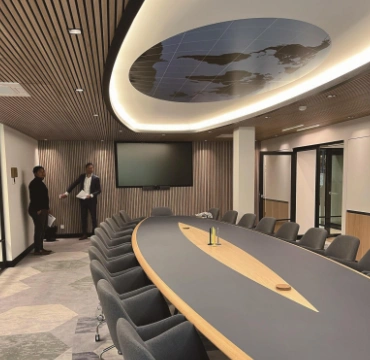
Acoustic Panels for Office Spaces
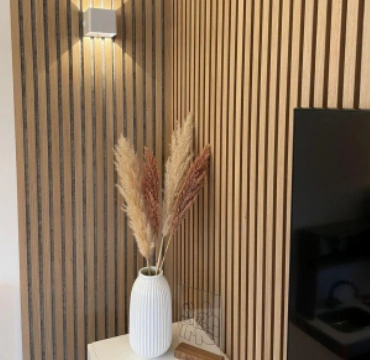
Acoustic Panels for Healthcare

Acoustic Panels for Fitness Centers
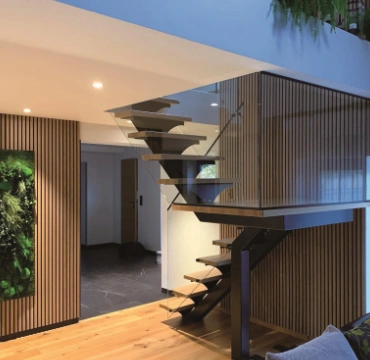
Acoustic Panels for Hospitality
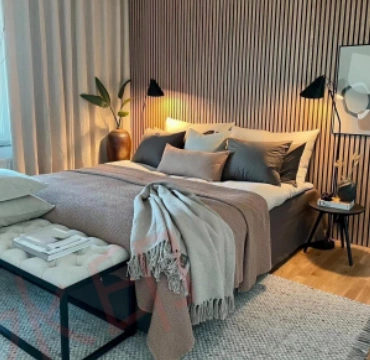
Acoustic Panels for Bedrooms/studies
Parameters
| Parameter | Description |
| Model / Size | 2400*600mm/3000*600mm/600*600 or Customized |
| Thickness | 22mm or Customized |
| Material | Substrate70%-85%,functional fillers 10%-25%,binder 5%-10% |
| Surface Finish | wood grain,fabric,solid colors.(Customizable) |
| Color Series | Neutral Colors, Natural Colors, DIY (Customizable) |
| Application | Entertainment & Performance Venues,Residential Living Spaces,Commercial Spaces |
| MOQ | 20GP Container |
| Accessories | Mounting Kit (Screws, Wall Plugs), Saw, Screwdriver, Tape Measure, Pencil, Power Drill, Rubber Mallet |
| Service Life | 25+ Years |
| Certifications | FSCf CE, ISO 9001:2008, SGS |
| Maintenance | Low Maintenance, No Painting, No Glue |
| Packaging | Cartons, Wooden Pallets, Corner Protectors |
FAQ
Simply put, acoustic panels are sound-absorbing tools designed to clean up the “noise” in a room. They aren’t thick concrete walls; instead, they are usually made from porous materials like compressed mineral wool, open-cell foam, or high-density polyester fiber. When sound waves hit these panels, they get trapped in the fibers and converted into tiny amounts of heat energy, which prevents the sound from bouncing back and creating that annoying echo you hear in empty rooms.
The installation is usually a DIY-friendly project. For lightweight foam or polyester panels, a bit of heavy-duty spray adhesive or double-sided 3M command strips will do the trick without damaging the wall. For the trendier, heavier wood-slat acoustic panels, you’ll want to screw them directly into the wall studs or onto a timber frame. The “secret sauce” for the best performance is to leave a small air gap behind the panel—this helps trap even more sound waves.
One common misconception is that they are “soundproofing” materials—they aren’t. They won’t stop your neighbor’s loud music from coming through the wall; they only improve the sound inside your room. Another downside is aesthetics and maintenance; some foam panels can be real dust magnets and are tricky to clean without a vacuum attachment. Also, if you over-treat a room, you can make it feel “dead” or unnaturally quiet, which can actually be uncomfortable.
Beyond the obvious recording studios and home cinemas, they are becoming a staple in modern open-plan offices and restaurants where the clatter of plates and chatter can be overwhelming. They are also massive problem-solvers in high-ceiling living rooms where the echo makes it hard to hear the TV clearly. Basically, anywhere you have too many hard surfaces (like glass or tile), you need acoustic panels to soften the “sonic bounce.”
If they are installed indoors away from direct sunlight, high-quality polyester or wood-slat panels can easily last 15 to 20 years. They don’t really “wear out” in terms of sound absorption. However, cheap acoustic foam can start to crumble or lose its elasticity (a process called “dry rot”) after 5-7 years. To get the most life out of them, keep them away from high-humidity areas unless they are specifically rated for it.
You can find basic foam tiles for as little as $1-$2 per square foot, but for professional-grade decorative panels (like the wood-slat variety), you’re looking at $15 to $40 per panel. While the upfront cost of premium panels is higher, they double as high-end interior decor, meaning you’re paying for both a functional acoustic treatment and a finished wall aesthetic.
Yes, but you have to manage your expectations. They work wonders at reducing “reverb” (that hollow, echoey sound) and making speech much clearer. If you walk into a room with acoustic panels, you’ll immediately notice that the “background hum” is gone. However, if your goal is to block out the sound of a literal jackhammer outside your window, panels alone won’t solve that—you’d need structural soundproofing for that.
This is a common point of confusion. WPC (Wood Plastic Composite) is primarily a durable, waterproof cladding used for decoration and protection; it reflects sound rather than absorbing it. Acoustic panels, specifically the popular “Slat Wall” type, use a felt backing (usually PET) to soak up sound. While WPC is better for high-moisture areas or exterior walls, acoustic panels are interior-only products designed specifically to fix how a room sounds.
Quality Certification