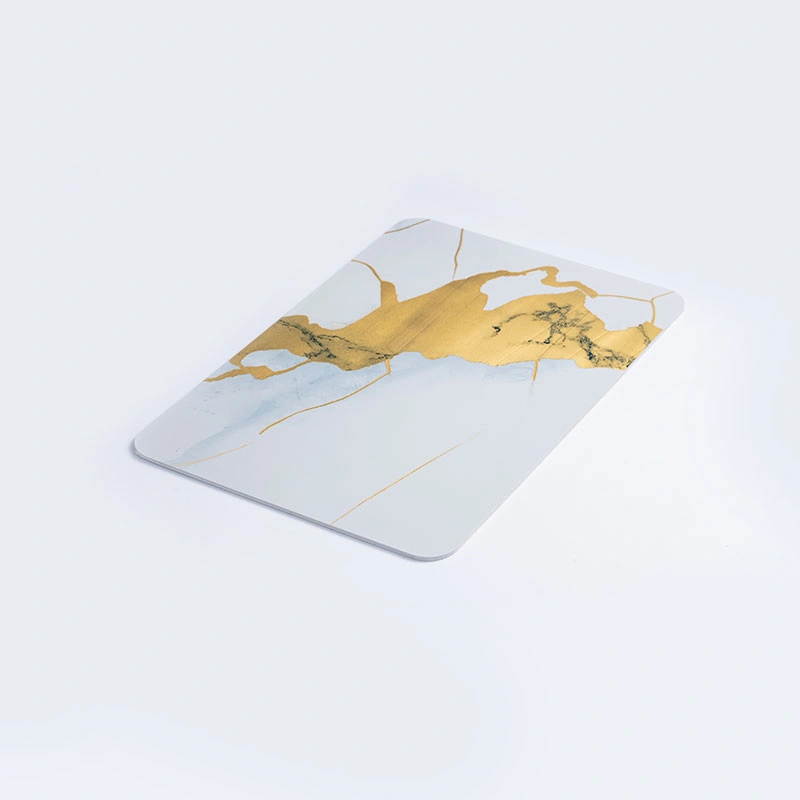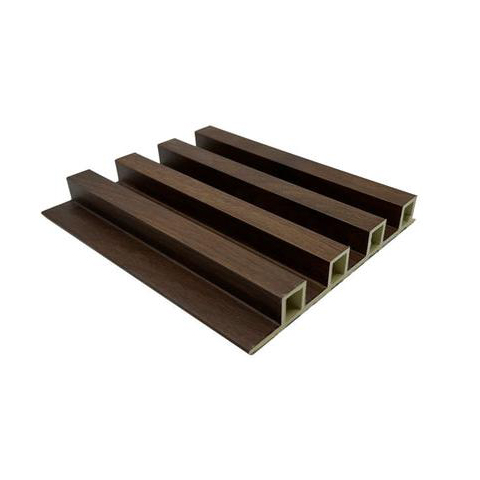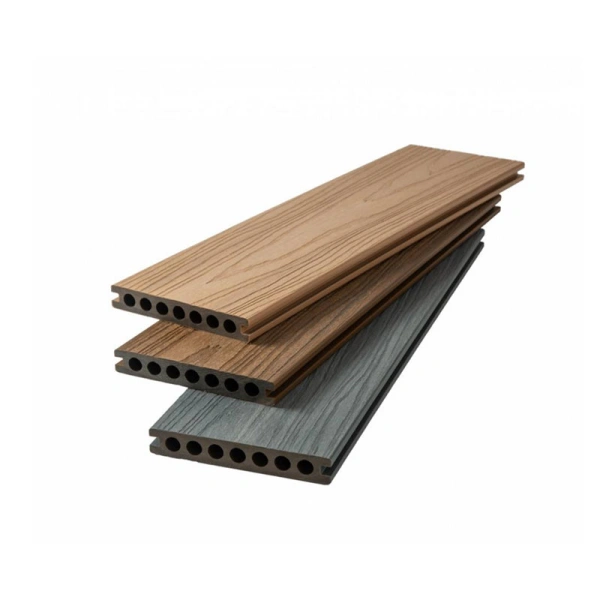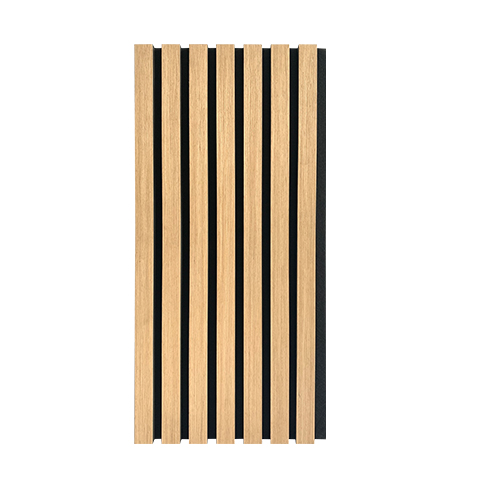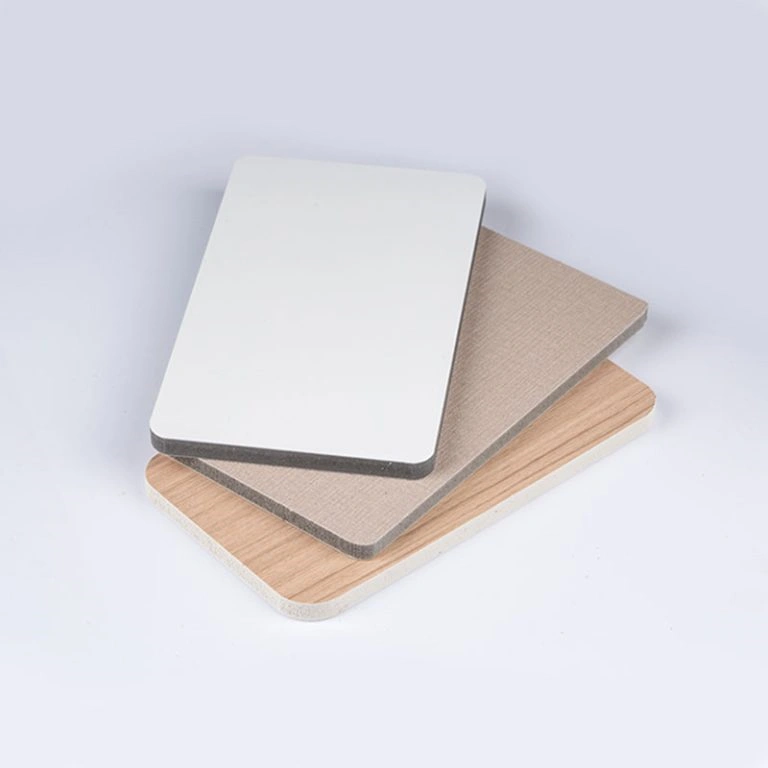
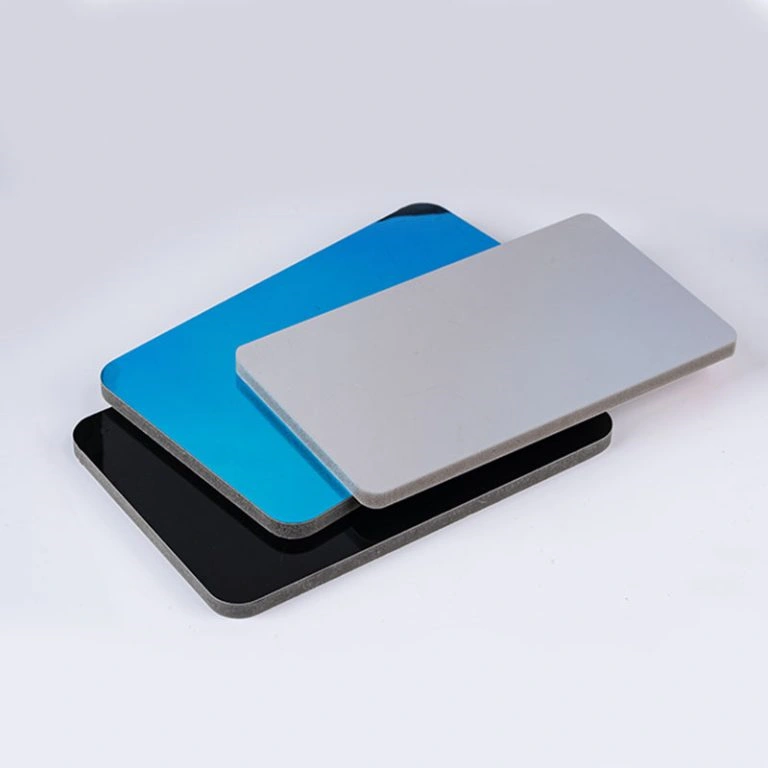
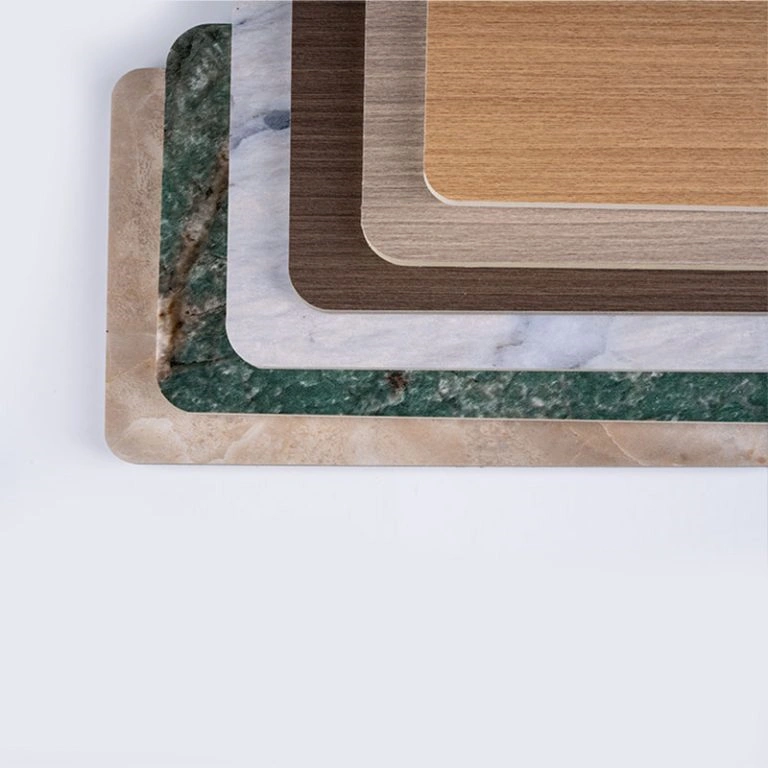
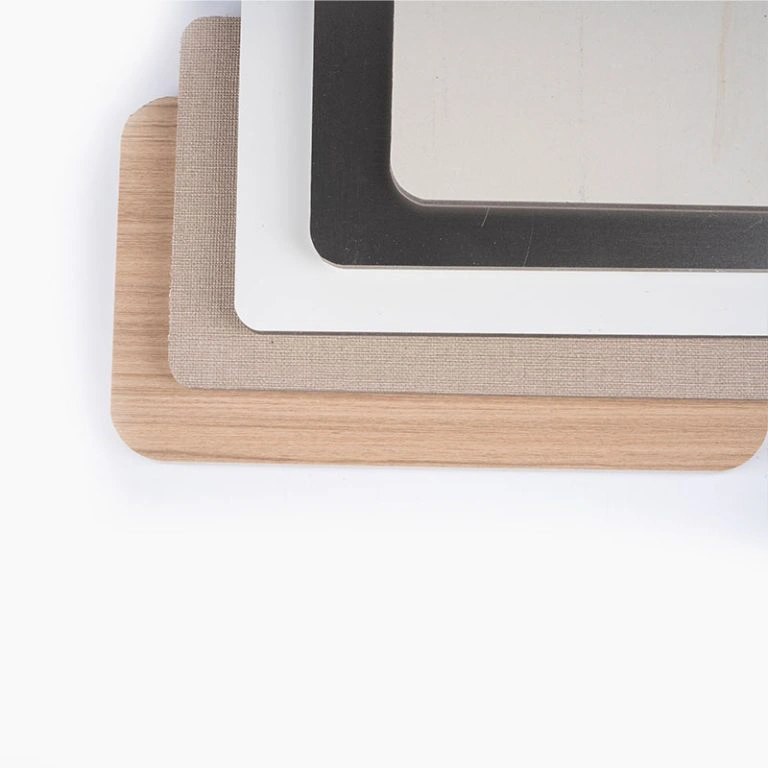

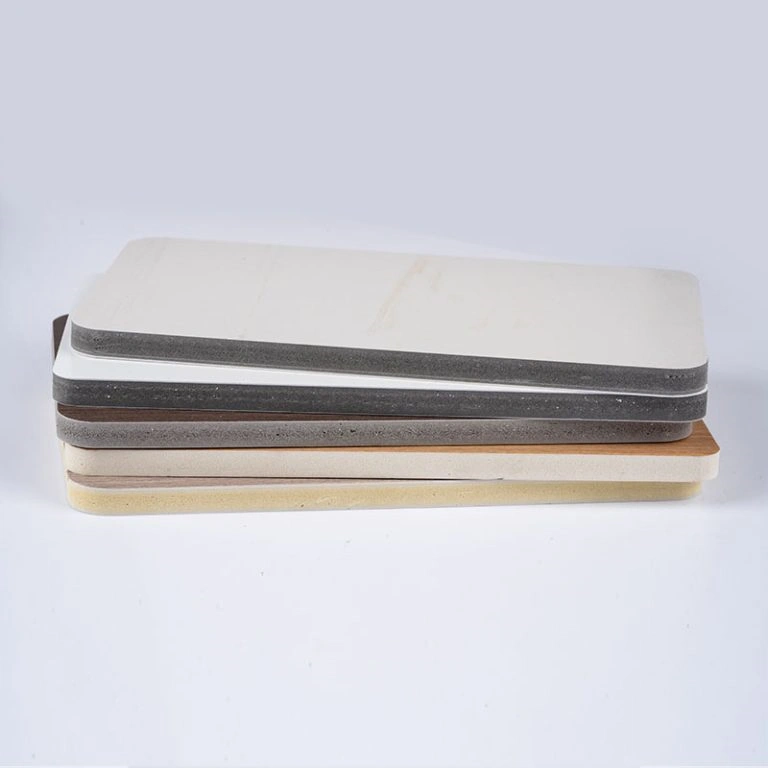
Color&Design
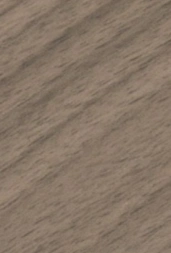
Wood grain series
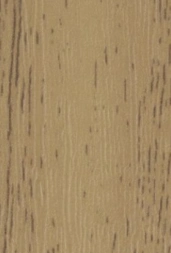
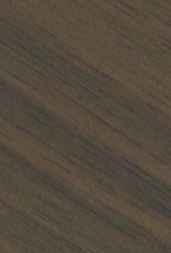
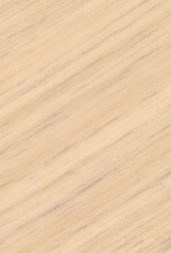
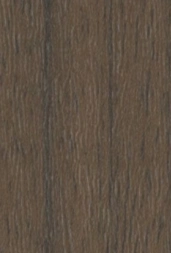
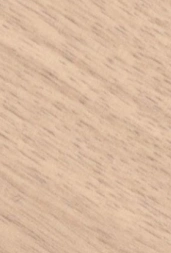
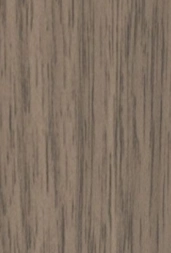
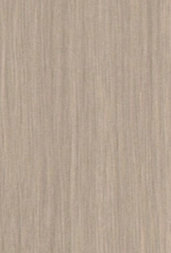
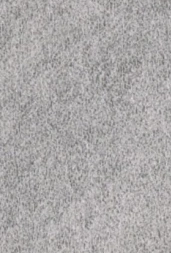
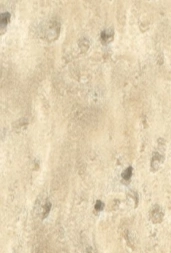
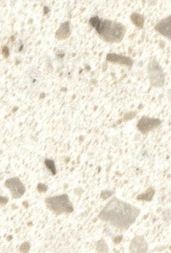
Stone Texture Series



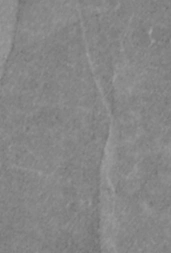
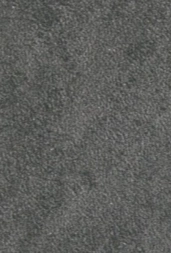
Features
- Waterproof & Moisture-proof: Mildewproof, No Deformation
- Fire Prevention & Flame Retardant: Class B1 Fire Protection
- Anti-Fouling: Easy to Clean
- Scratch Resistant: High Quality PVC Film
Excellent durability
Waterproof, moisture-proof, insect-proof, and warp-resistant. Ideal for humid environments like kitchens and bathrooms.
Lightweight yet Strong
Lighter than pure stone plastic boards or solid wood, but with high rigidity.
Eco-friendly & Healthy
The bamboo charcoal component continuously adsorbs and decomposes harmful gases like formaldehyde, benzene, and odors.
Easy Maintenance
The dense surface can be easily wiped clean with a damp cloth.
Easy Installation
Often uses a click-lock system for quick installation over various subfloors.
Application Areas
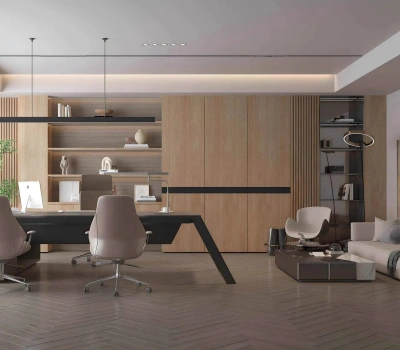
Bamboo charcoal wood veneer for Interior wall decoration
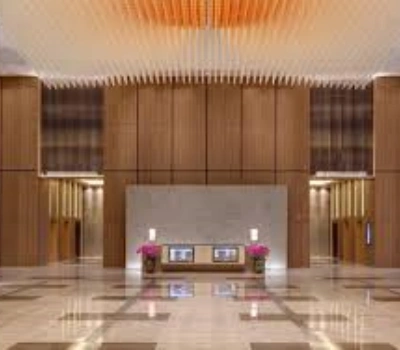
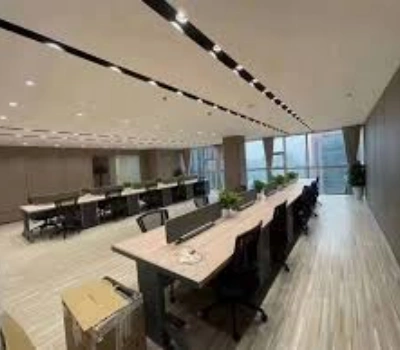
Bamboo charcoal wood veneer for Commercial complexes
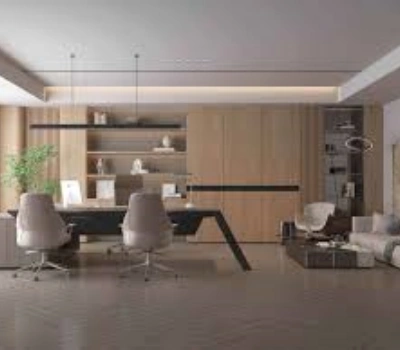
Bamboo charcoal wood veneer for residential places
Bamboo charcoal wood veneer for restaurant
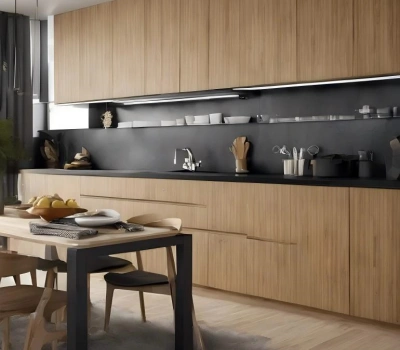
Bamboo charcoal wood veneer for kitchen
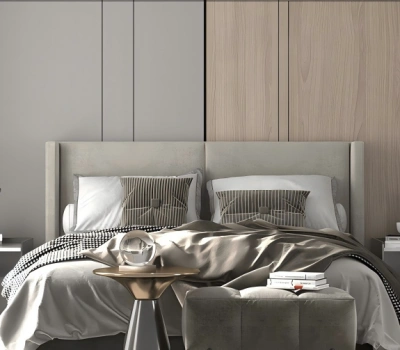
Bamboo charcoal wood veneer for living room
Parameters
| Product name | Bamboo charcoal wood veneer |
| Material | bamboo and wood fiber |
| Size | 1220×2440/2600/2800/3000 mm (Customized length). |
| Thickness | 5mm, 8mm or customize |
| Feature | Eco-friendly , Fireproof ,Waterproof ,Anti-Scratch, Easy to install and maintain ,Long life |
| Surface | Marble Grain, Wood Grain, Solid Color & 3D Design. Accept Customized |
| Package | Wooden Pallet,100PCS/Pallet |
| Installation | 1. Glue on the wall 2. Aluminum alloy decorative line 3. sealant installation |
| Application | Interior wall decoration for commercial and residential places such as restaurant, Hotel, supermarket ,kitchen ,living room and so on |
| loading quantity | 1000-1700pcs/20ft container. (depending on size) |
| Delivery time | Within 15-25 days for one 20ft container |
| Certification | CE |
FAQ
Bamboo charcoal veneer is an innovative decorative board that blends bamboo charcoal fibers with polymer resins through high-pressure extrusion. The “charcoal” element isn’t just for marketing—it naturally helps with odor absorption and moisture control. Unlike standard thin veneers, this product is a solid, durable panel that offers a high-end wood or stone finish without the maintenance of natural materials.
The cost generally sits in the mid-to-premium range compared to basic PVC, typically ranging from $15 to $35 per sheet depending on the thickness and surface finish (like metal, stone, or wood grain). While the upfront material cost is higher, you save a significant amount on labor and specialized tools because it can be installed quickly using simple structural adhesives and interlocking joints.
Yes, in terms of stability and aesthetics, it is a significant upgrade. Bamboo charcoal fibers provide much better resistance to thermal expansion and contraction, meaning the panels won’t warp or gap over time like cheap PVC often does. It also has a much harder surface, making it far more resistant to the daily scratches and impacts common in high-traffic commercial or residential areas.
The biggest pros are its 100% waterproof nature, fire-retardant properties (B1 level), and stunning visual depth. It’s also incredibly easy to clean. As for the cons, the primary drawback is the initial cost and the fact that it requires a relatively flat sub-wall for the best finish. However, for most long-term projects, the durability far outweighs the initial price gap.
Installation is remarkably straightforward. Most contractors use a “glue-and-clip” method. You apply high-strength structural adhesive to the back of the panel and press it directly onto a flat, dry wall. The panels usually feature a tongue-and-groove or “I-shaped” aluminum trim system that hides the seams, creating a continuous, high-end look without the need for complex masonry work.
This is one of its strongest selling points. Because the manufacturing process relies on heat-fusion rather than heavy glues, most high-quality bamboo charcoal veneers achieve an E0 or ENF (super-low formaldehyde) rating. This makes it a safe choice for sensitive environments like bedrooms, hospitals, and nurseries where air quality is a top priority.
Quality Certification