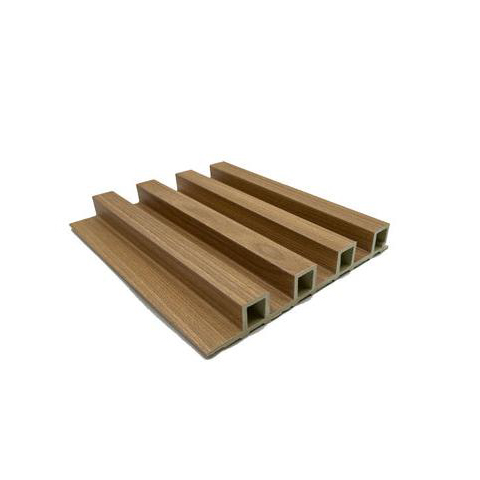

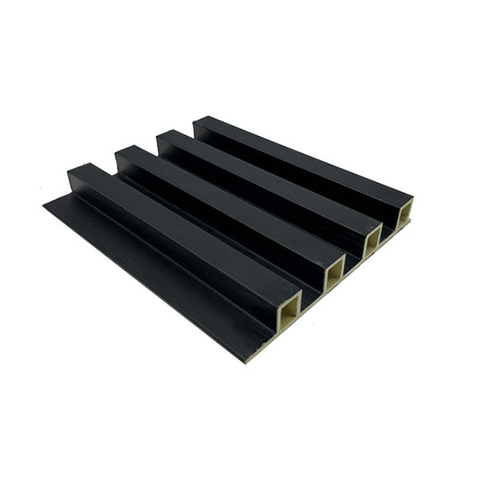
Color&Design
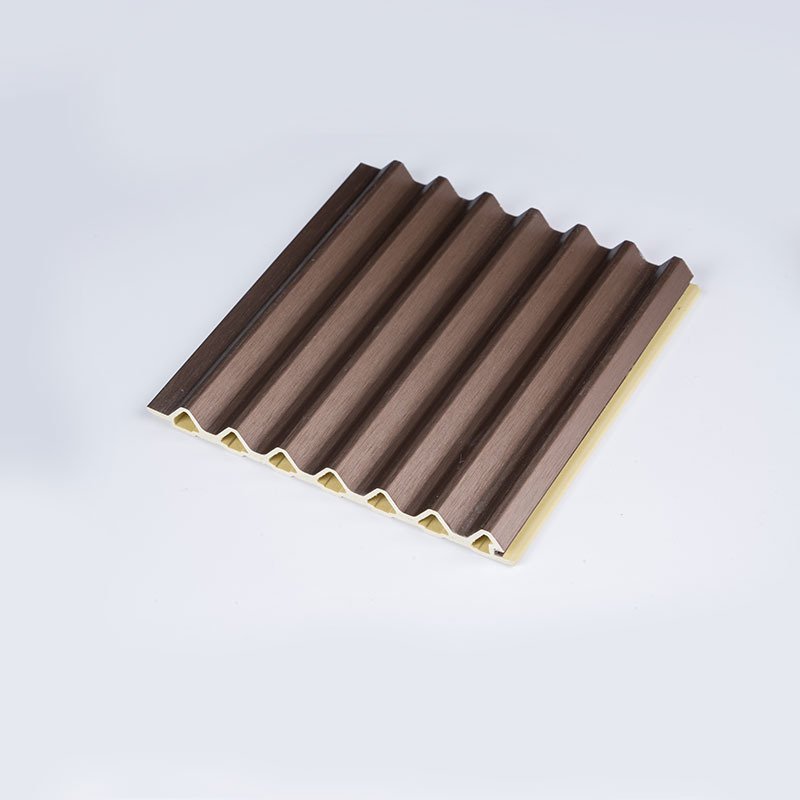
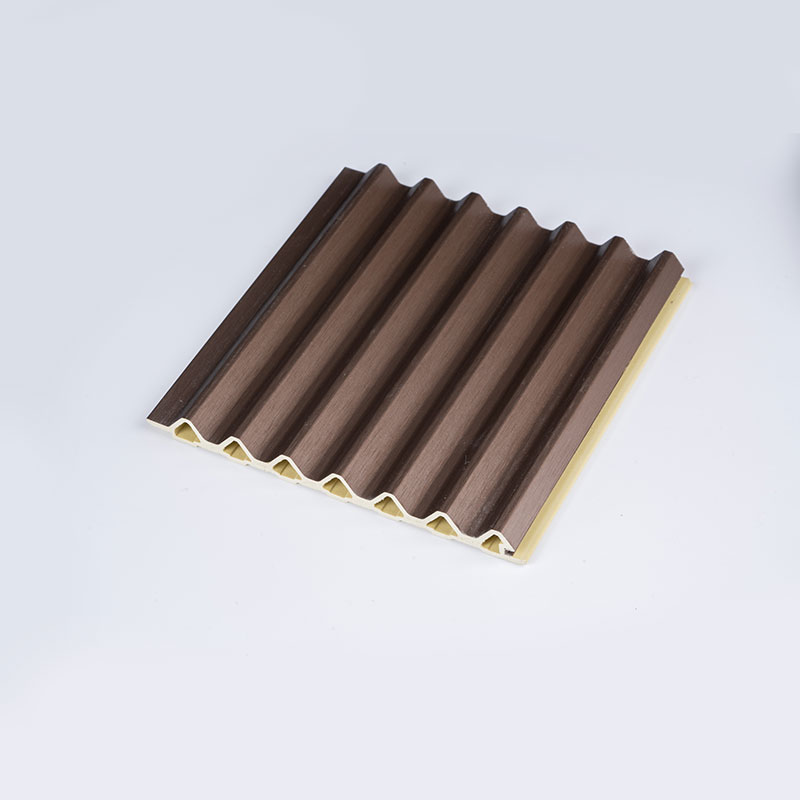
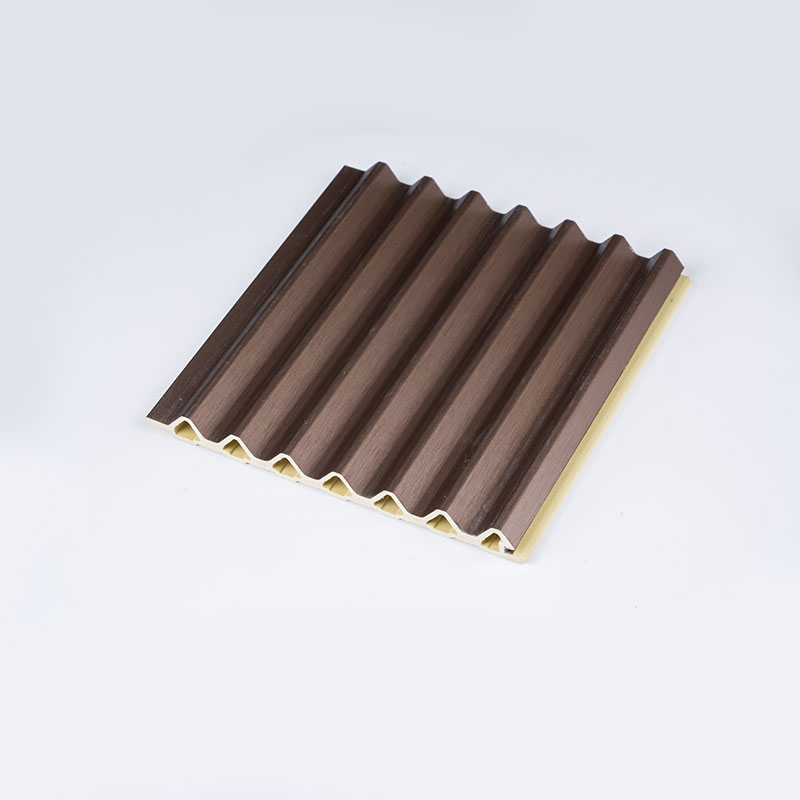
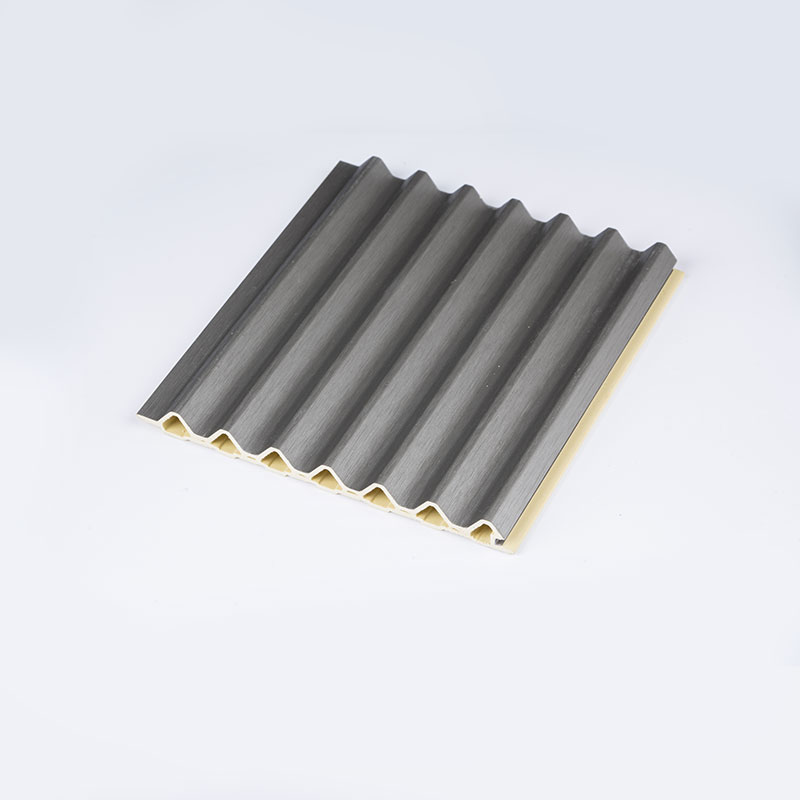
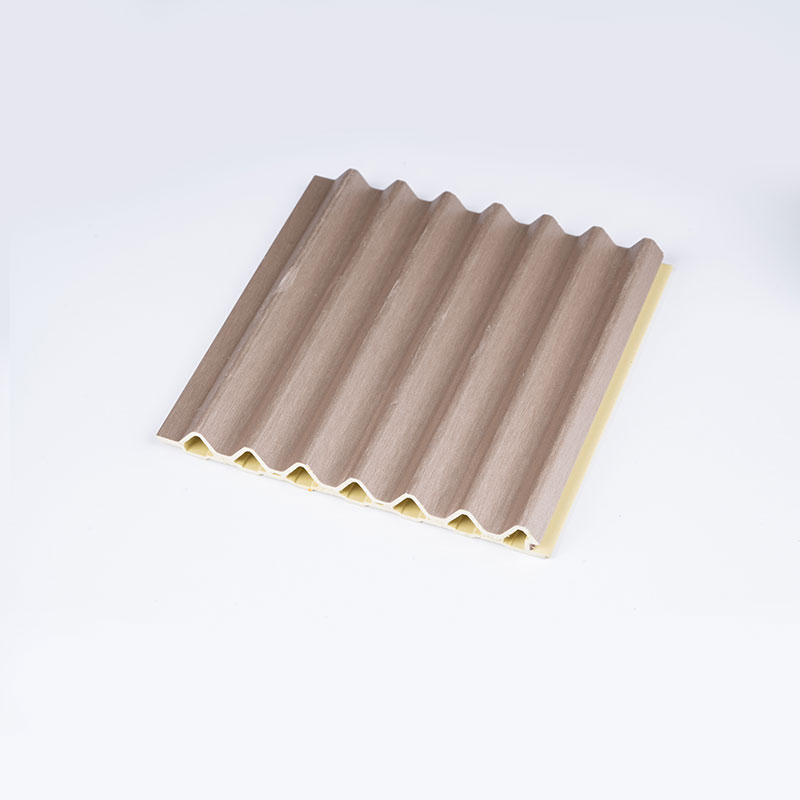
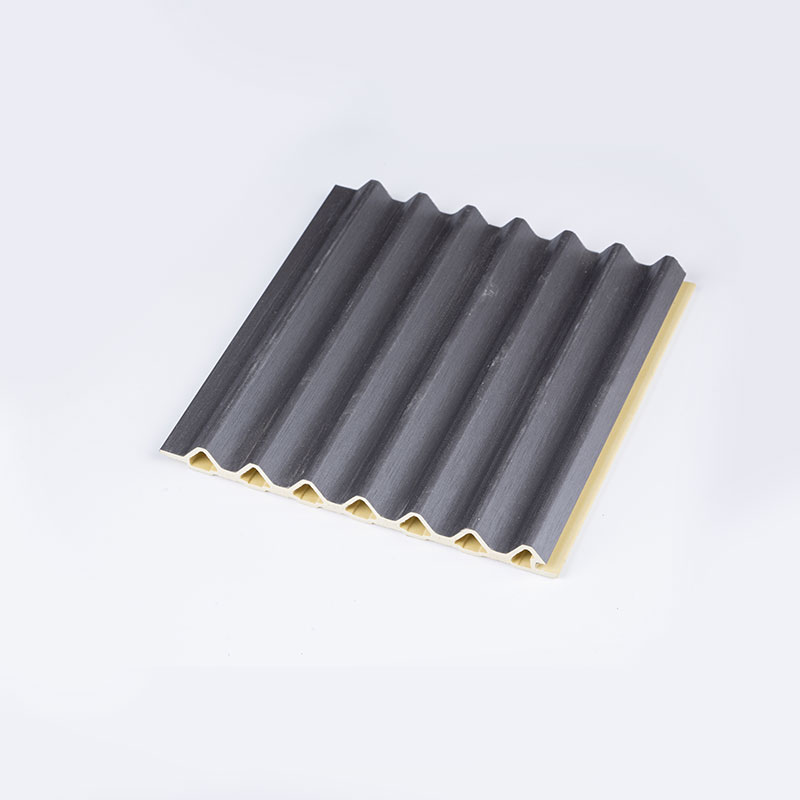
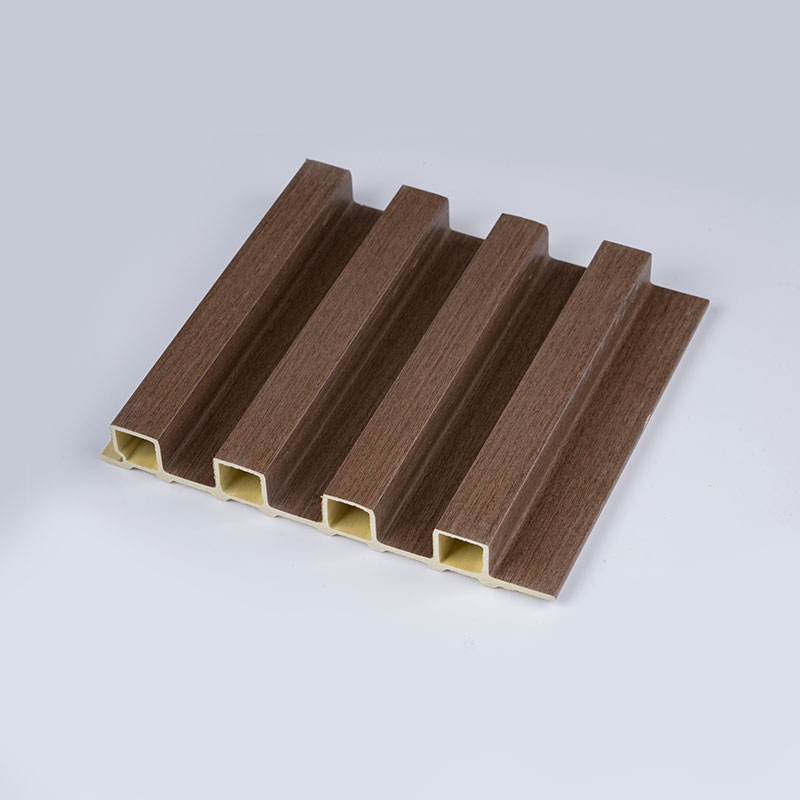
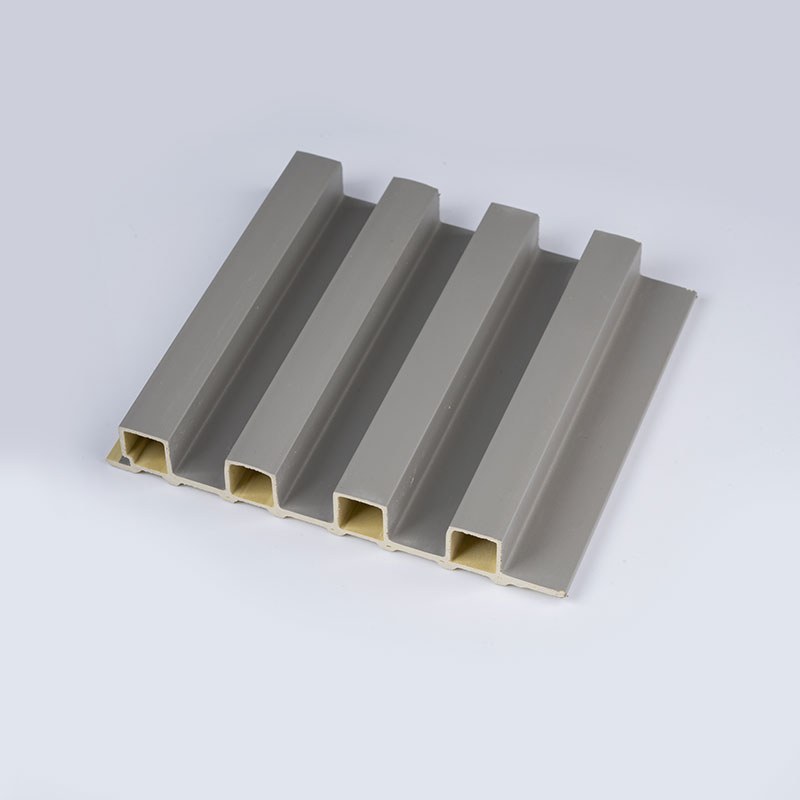
Features
Eco-Conscious Choice
100% Recyclable & Sustainable: Made from eco-friendly materials, it reduces reliance on timber and supports forest conservation.
Engineered for Extreme Durability
Superior Moisture & Bio-Resistance: Highly water-resistant and proven against rot, even in saltwater conditions. It also resists insects, mold, and fungal growth.
Aesthetic & Practical Design
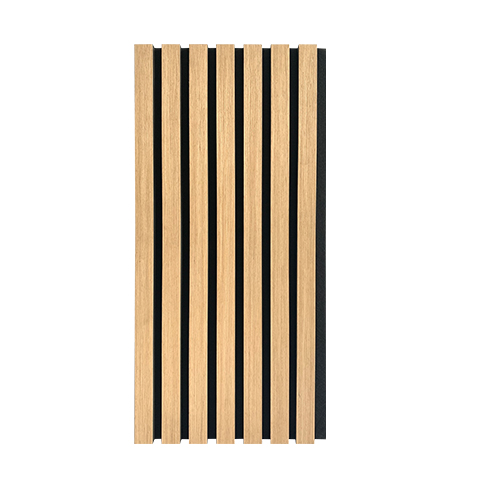
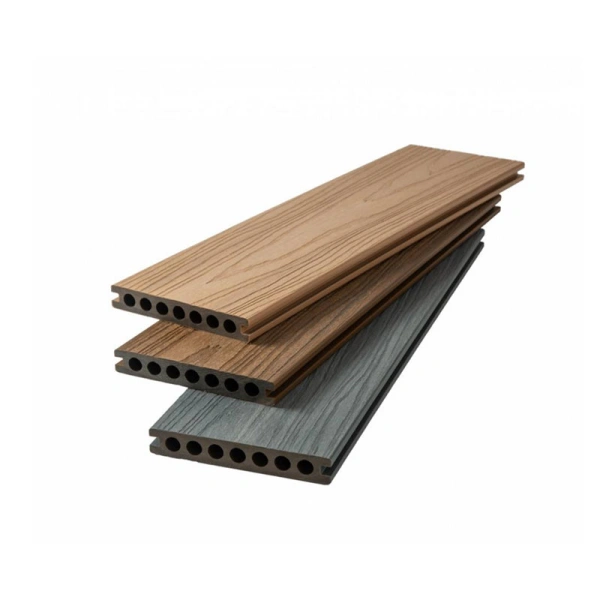
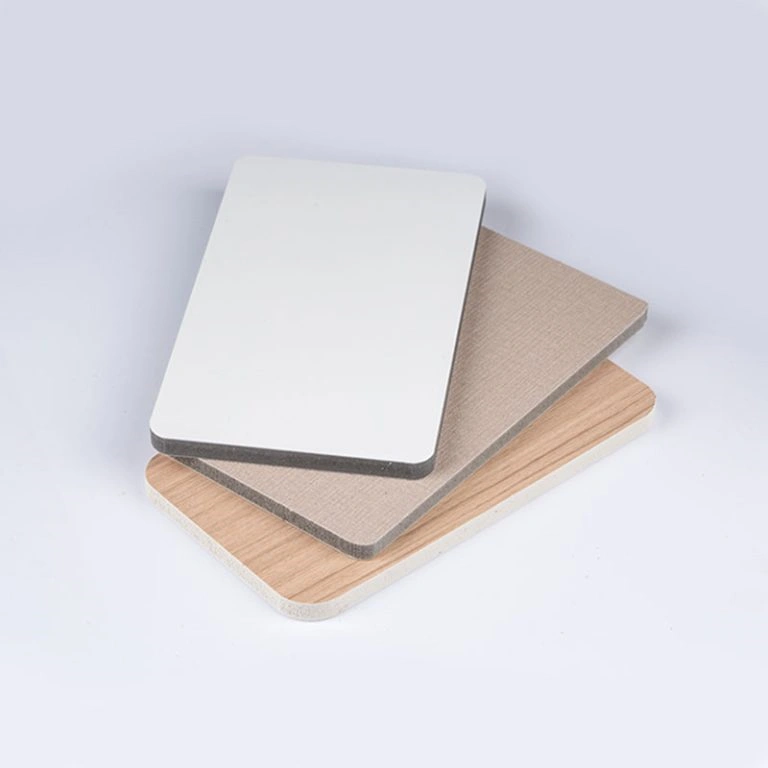
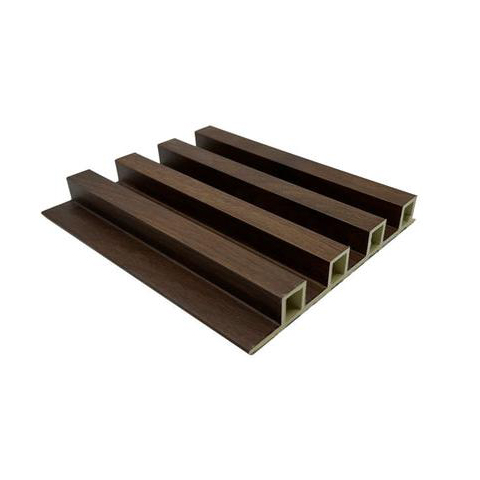
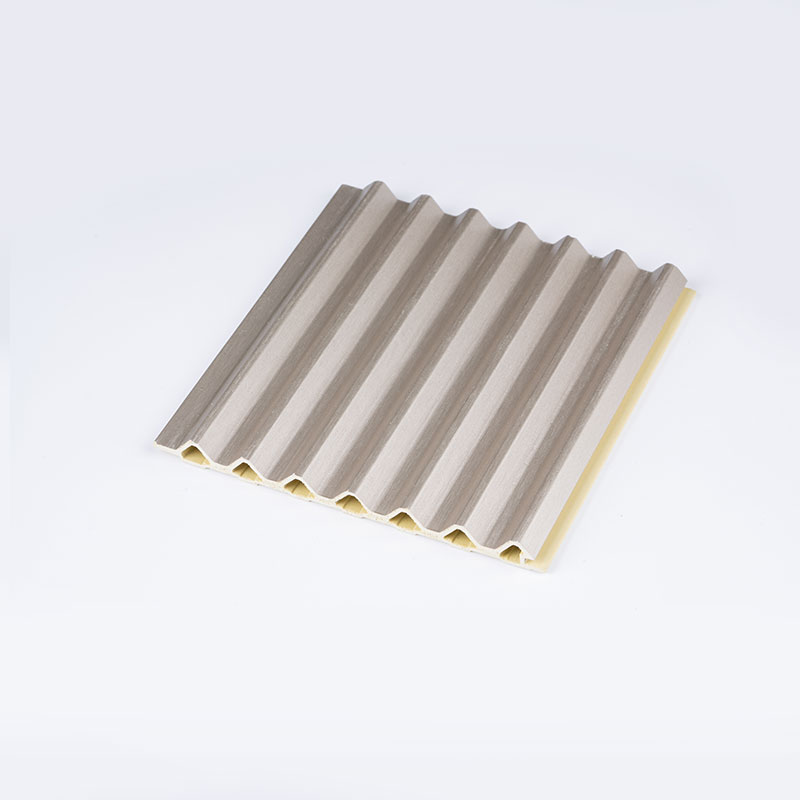
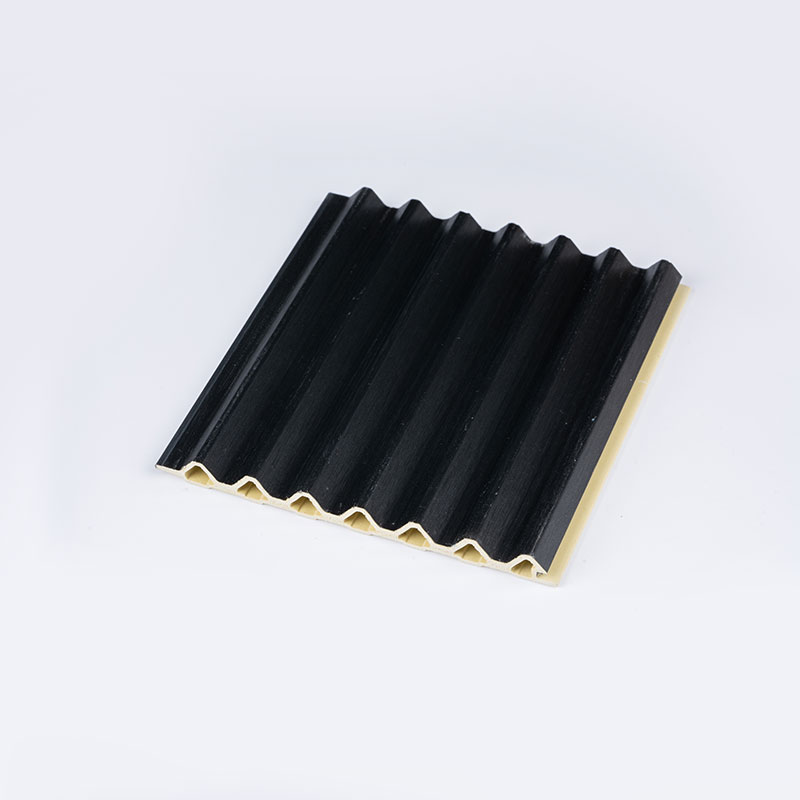
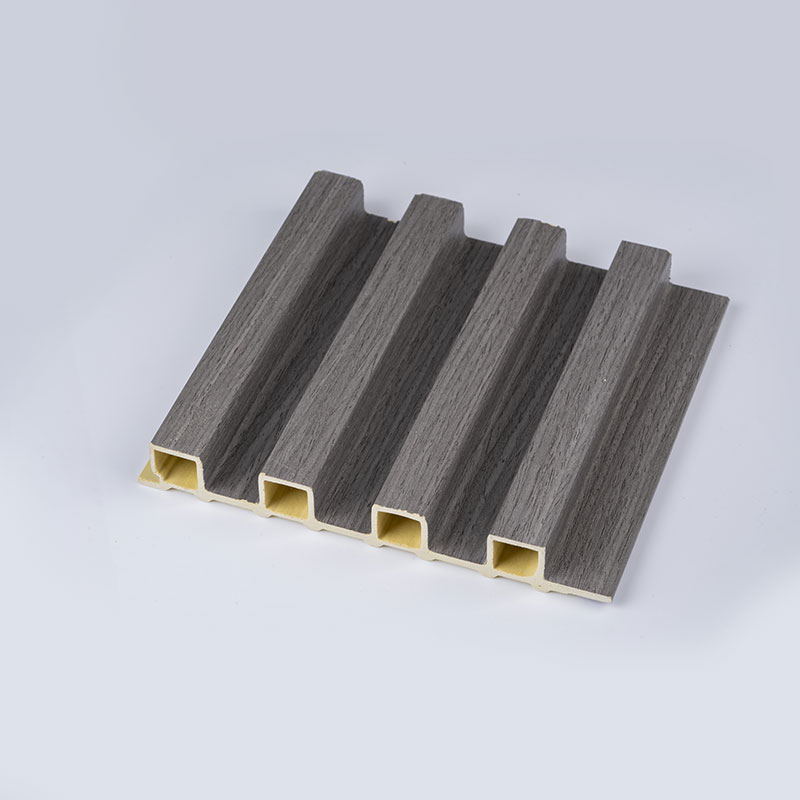
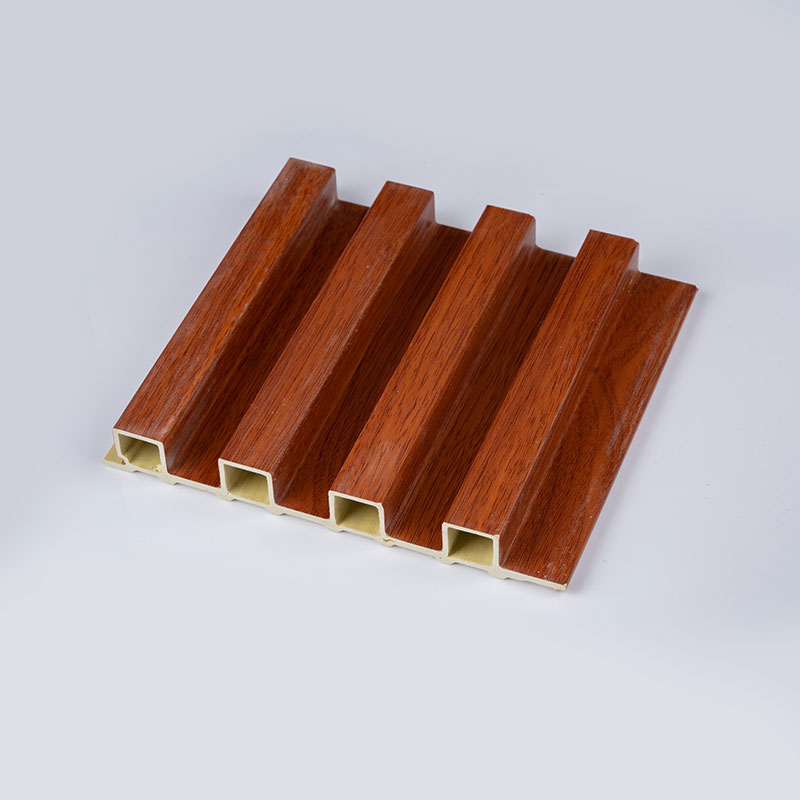
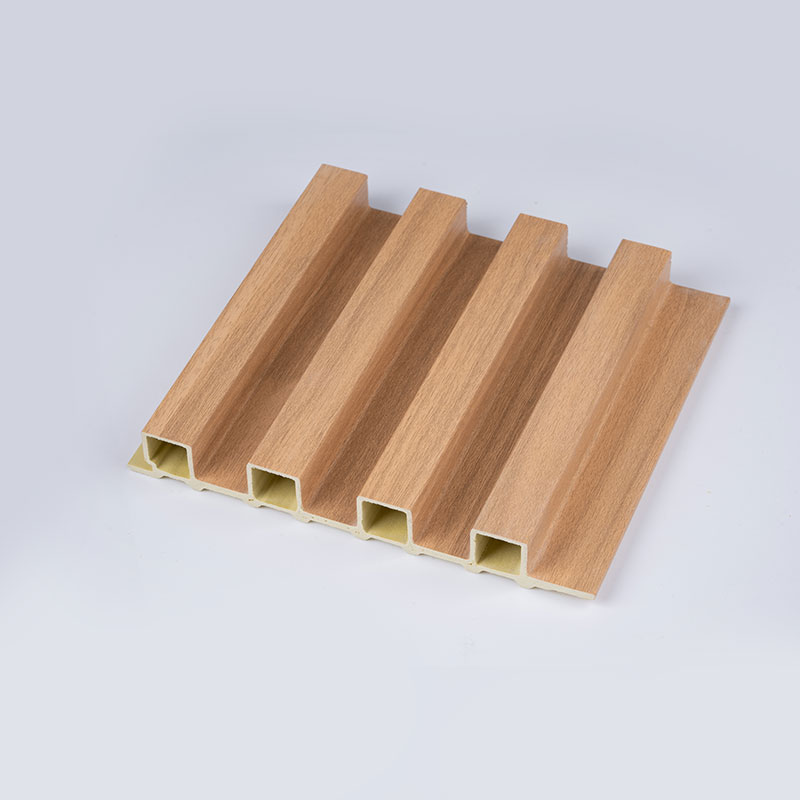
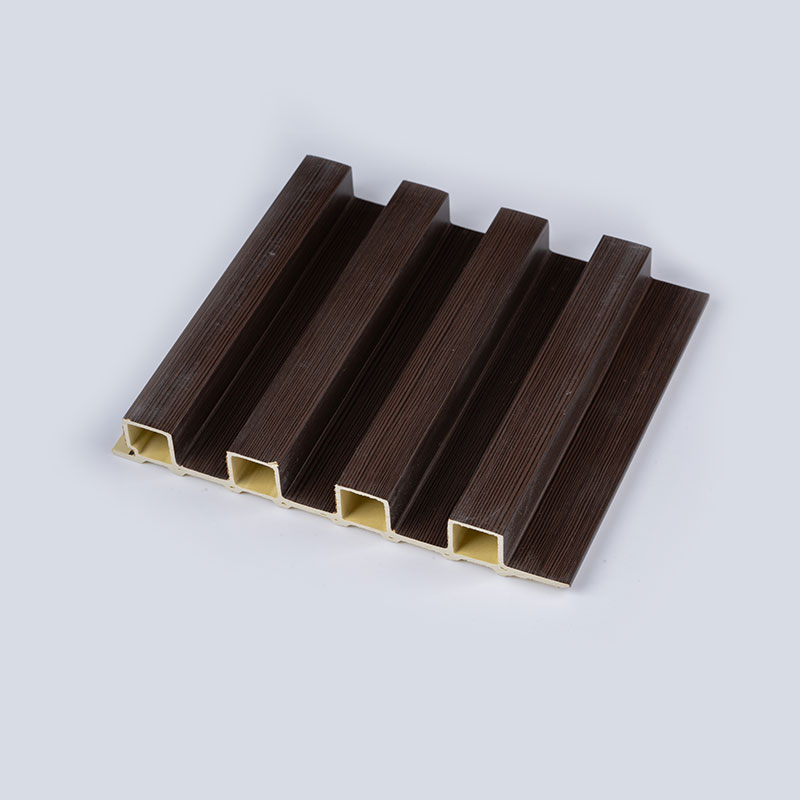
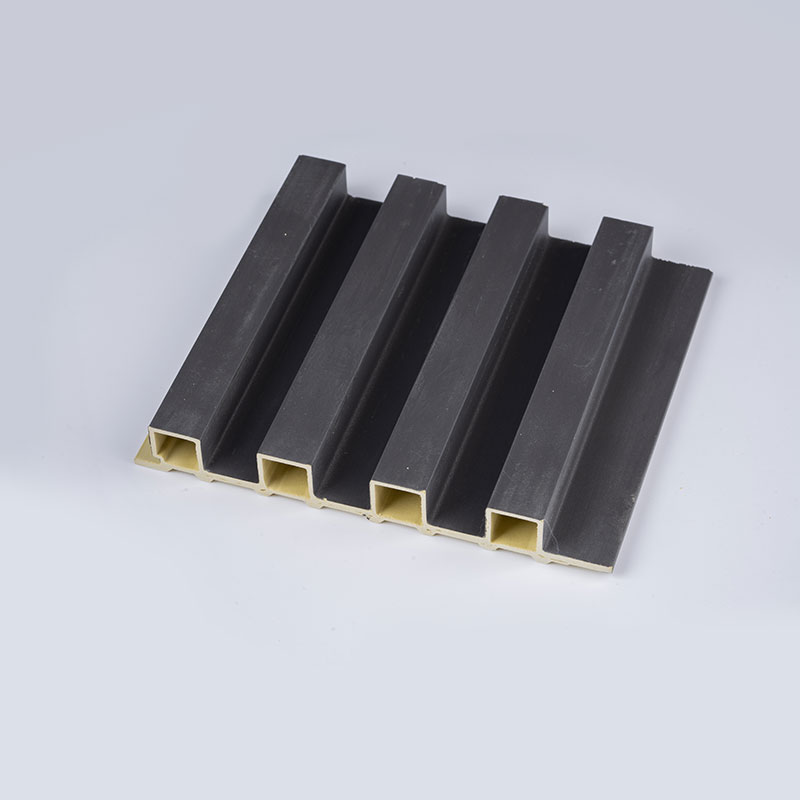
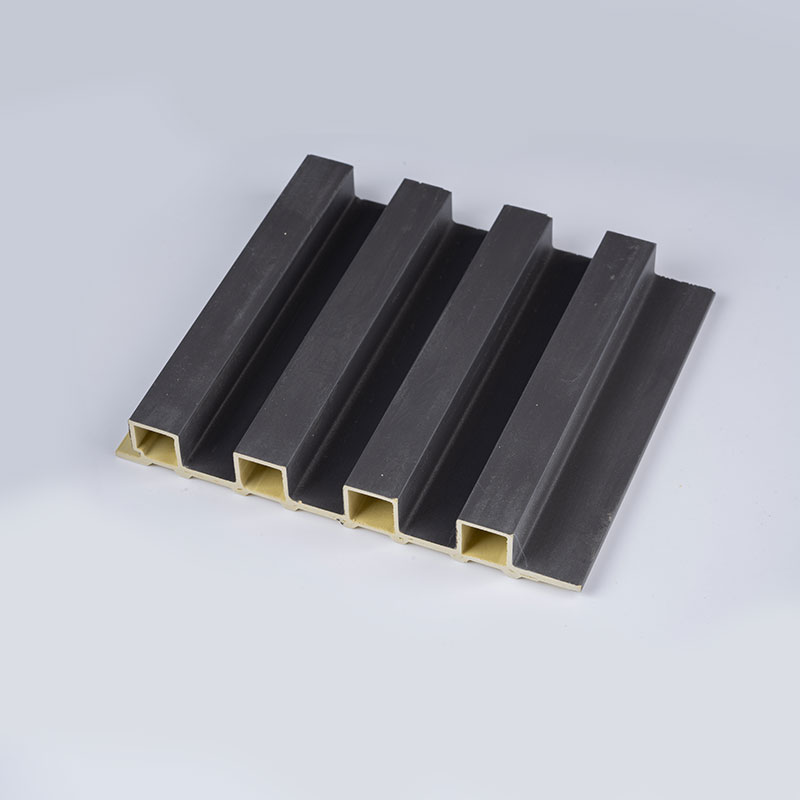
Multi-Color Options: Available in a versatile palette including Teak, Charcoal Black, Rosewood, Silver Gray, Pure White, and more.
Ultra-Low Maintenance
No Painting or Sealing Required: Comes finished and ready to install, eliminating ongoing refinishing work.
Easy & Efficient Installation
Customizable Sizes: Available in tailored dimensions to fit your specific project needs.Designed for a straightforward and fast installation process.
Application Areas
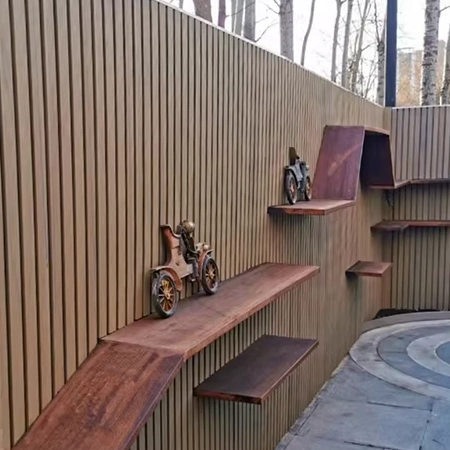
WPC Wall Cladding for flower box
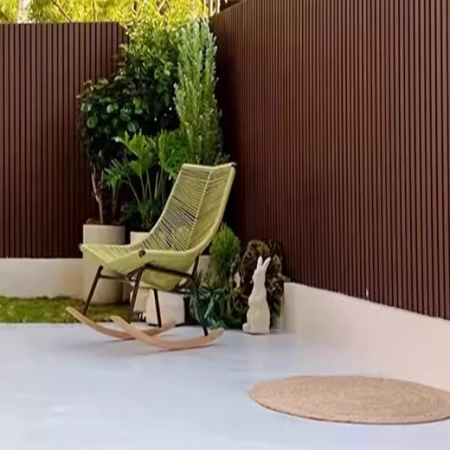
WPC Wall Cladding for Garden wall / fence
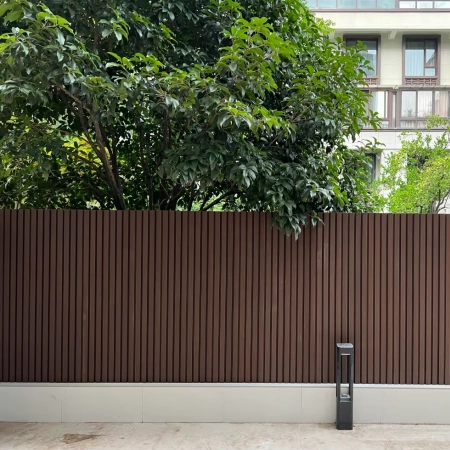
WPC Wall Cladding for House walls
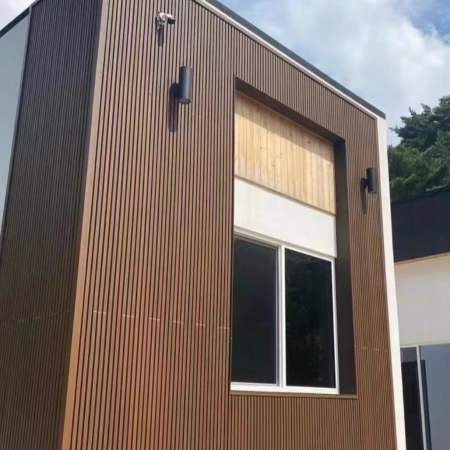
WPC Wall Cladding for House walls
Parameters
| Product name | WPC Wall Cladding (outdoor) |
| Material | Wood Plastic composite |
| Model color | Teak, light brown, charcoal black, dark brown, maple, silver gray, rosewood, antique wood, black, pure white, etc. |
| Size | customized |
| Surface treatment | 3D embossing, embossing, groove |
| Application | Outdoor Wall cladding |
| Package | Carton |
FAQ
In simple terms, WPC wall cladding is a high-tech “armor” for your building’s exterior. It’s a composite material made by blending natural wood fibers with recycled polymers. The result is a tongue-and-groove plank that gives you the warm, high-end look of real timber but with the chemical resilience of plastic. It’s designed to shield your walls from the elements without the cracking, splitting, or fading that usually plagues traditional wooden siding.
While it’s a favorite for residential facades to boost “curb appeal,” its uses go much further. It’s a problem-solver for modernizing old brick buildings, protecting garden offices (man caves), and adding a premium feel to commercial storefronts. Because it’s so durable, we also see it used heavily in coastal projects where salt air would eat through metal or rot standard wood in just a few seasons.
If installed correctly, you’re looking at a 20 to 30-year lifespan. Unlike timber, which has an “expiration date” the moment moisture hits it, WPC is virtually immune to rot, mold, and termite infestations. Most premium cladding also comes with UV-inhibitors, so while it might undergo a very slight “weathering” in the first few months, the core color will remain stable for decades without ever needing a paintbrush.
It’s helpful to think of WPC as a mid-to-high-range investment. Upfront, it costs more than basic vinyl or pressure-treated wood siding. However, the Total Cost of Ownership is where it wins. Since you never have to spend money on expensive wood stains, sealants, or professional painters every two years, the boards usually pay for themselves by year 5. It’s an investment in your property value and your free time.
The process is surprisingly logical but requires precision. You don’t just nail it to the brick; you first install a “batten” system (a sub-frame made of WPC or treated timber) to create an air gap. This gap is crucial for ventilation. Then, you use hidden start-up clips and screws to slot the panels together. This “floating” system allows the boards to expand and contract naturally with temperature changes without buckling or warping.
No material is a magic bullet. The main drawback is the initial cost—it’s a bigger hit to the wallet on day one. Also, because it contains plastic, it can expand and contract slightly more than real stone or brick, so you must follow the spacing guidelines during installation. Lastly, while it’s low-maintenance, it’s not “no-maintenance.” You’ll still need to give it a quick hose-down once a year to get rid of dust and spider webs to keep it looking sharp.
Quality Certification