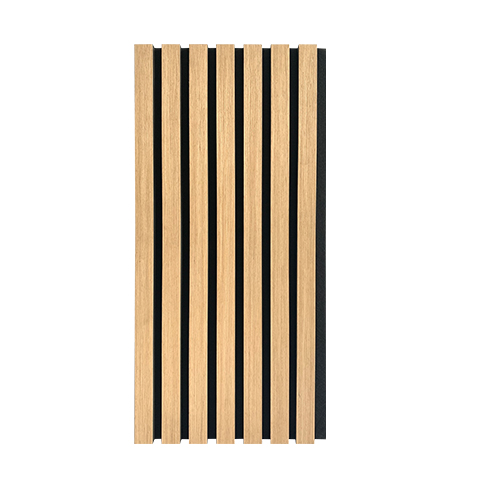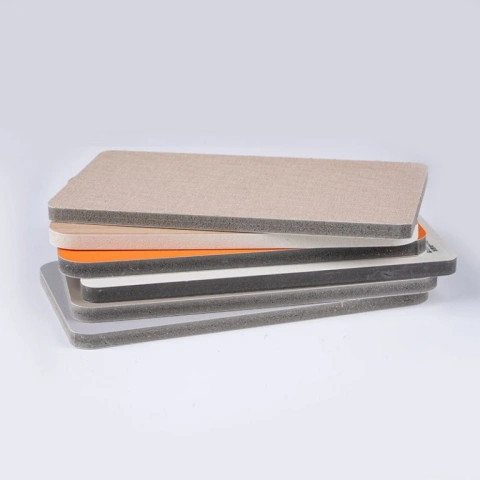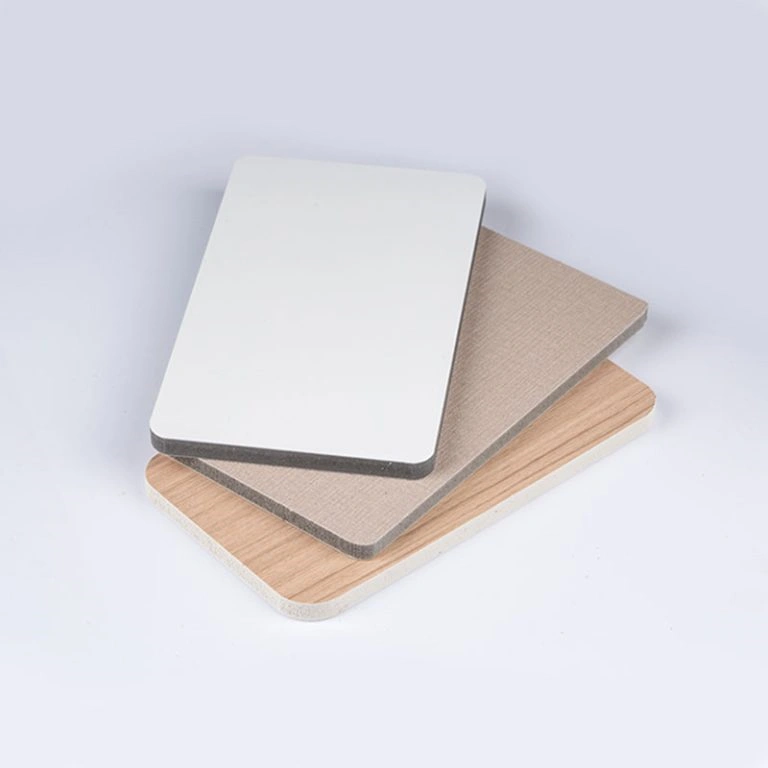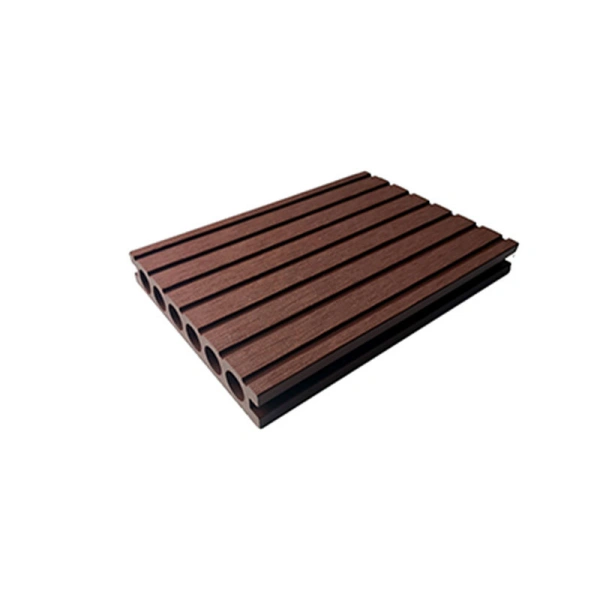
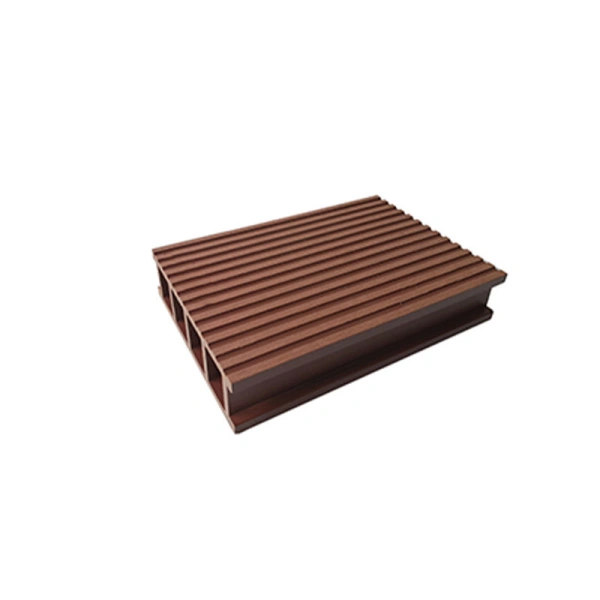
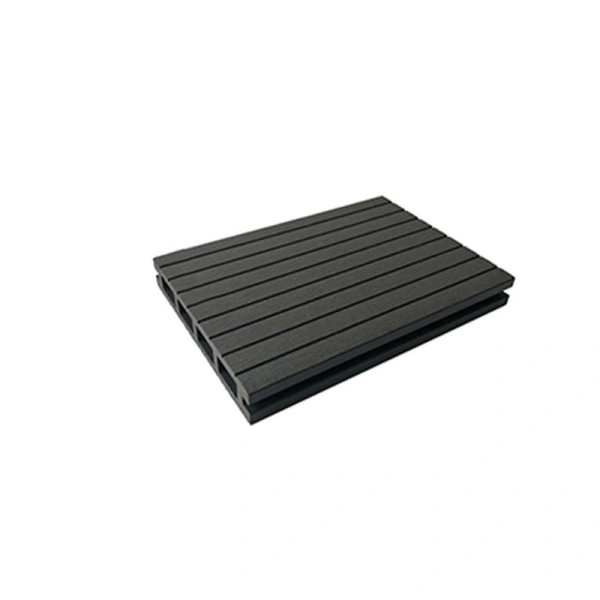
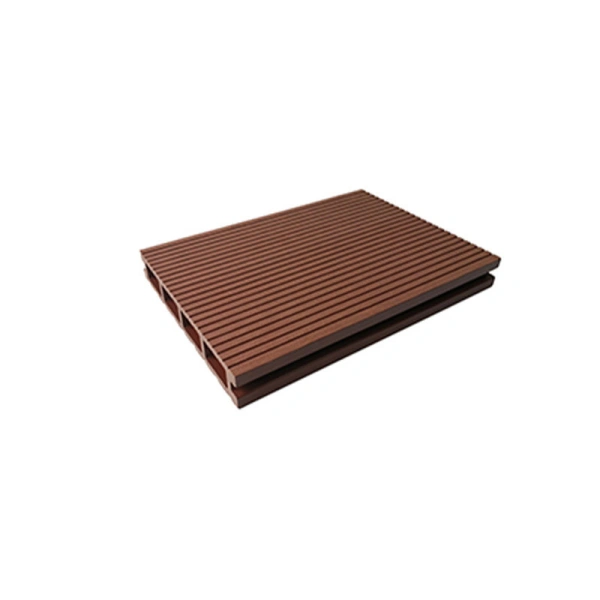
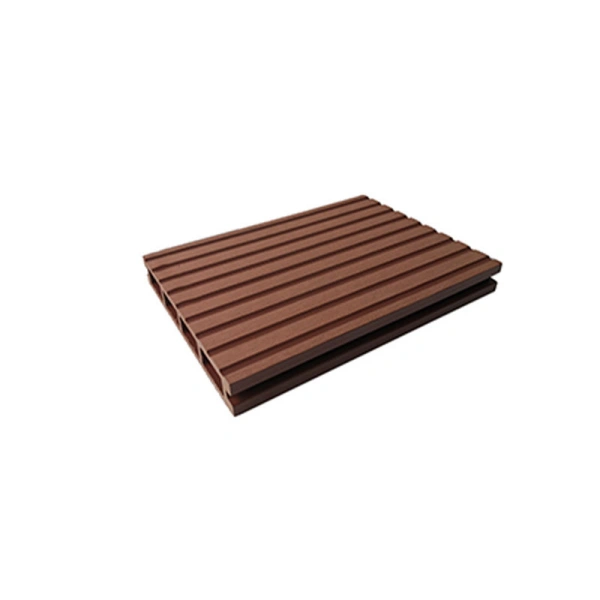
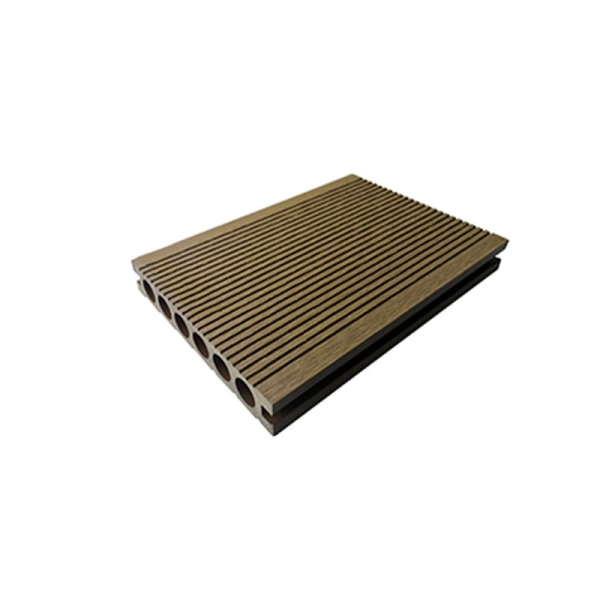
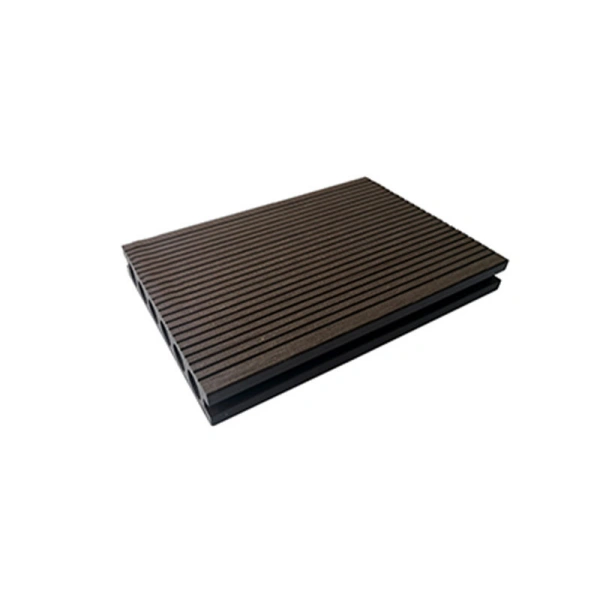
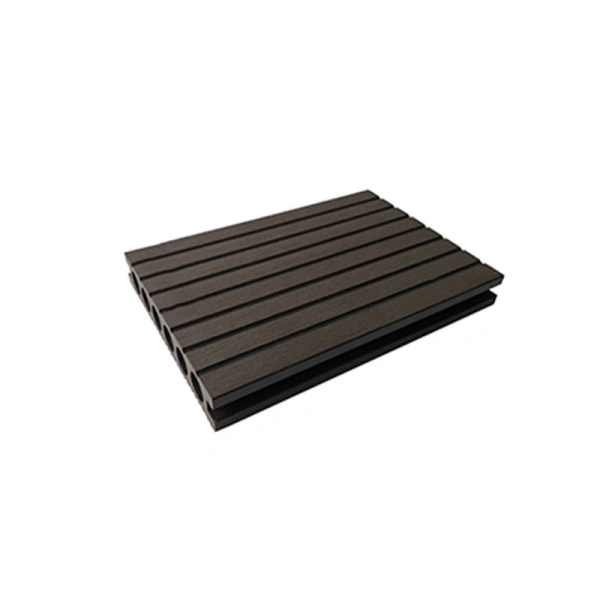
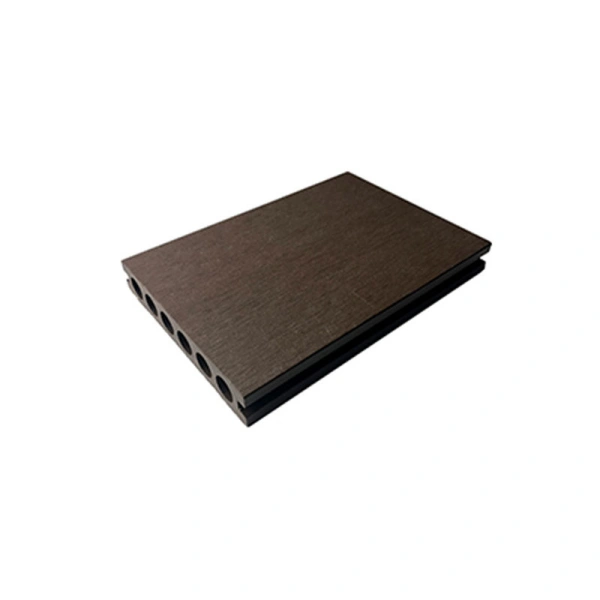
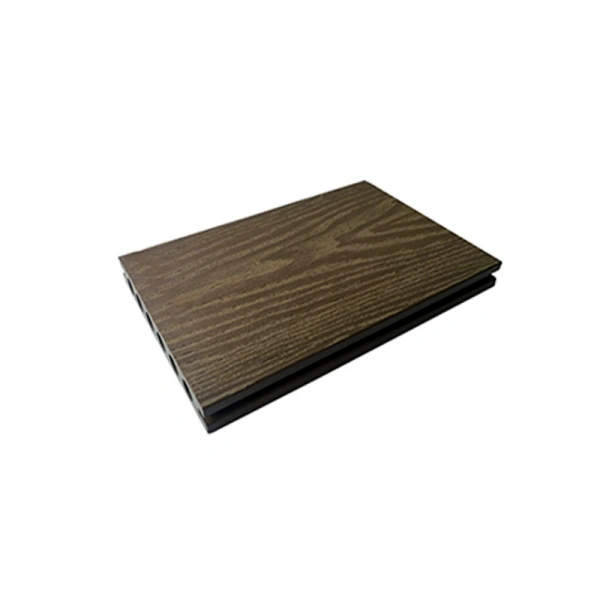
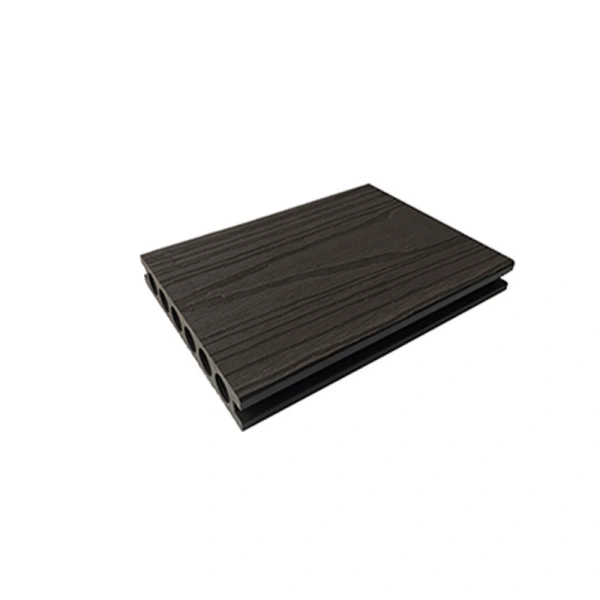
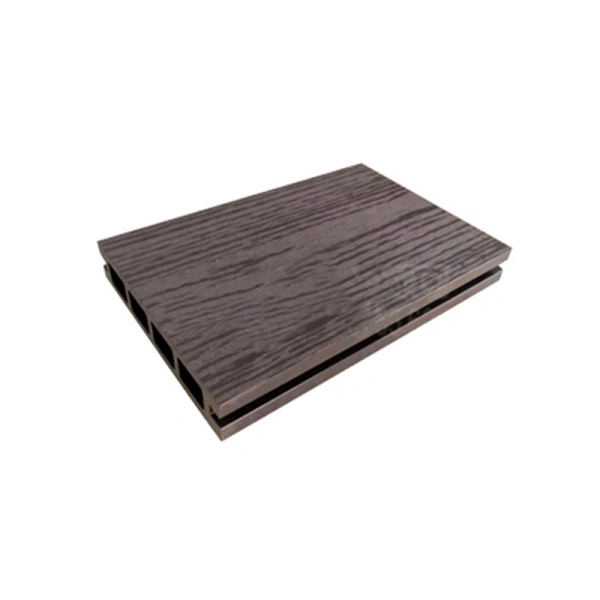
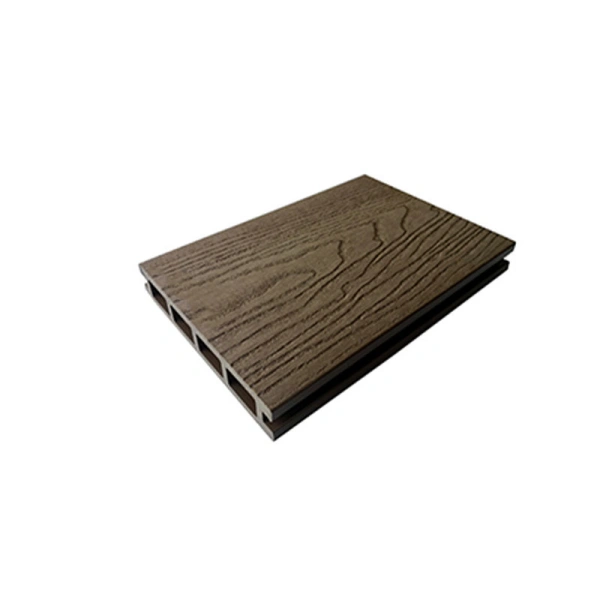
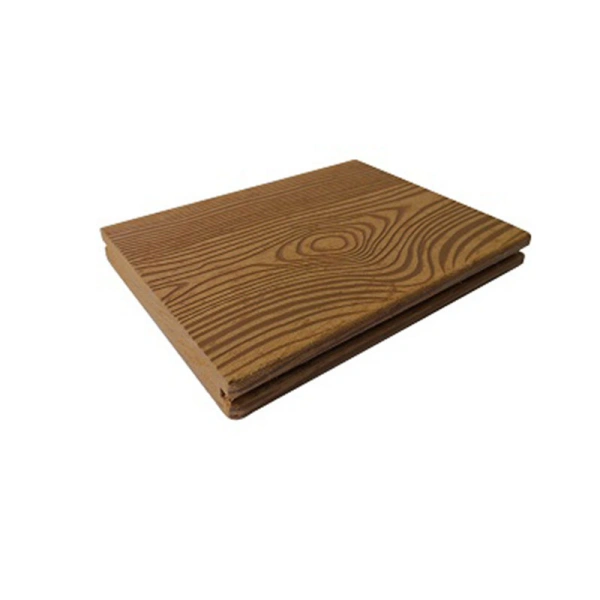
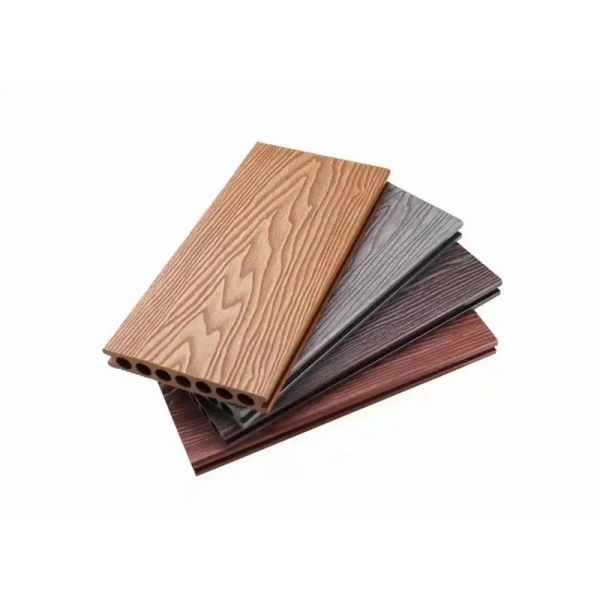
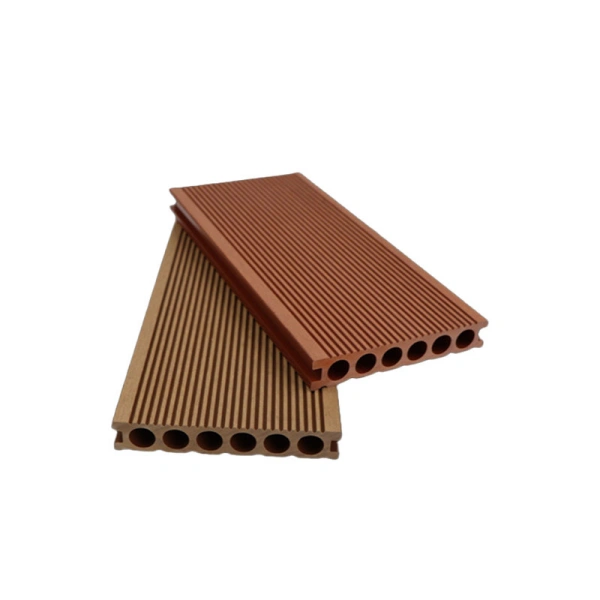
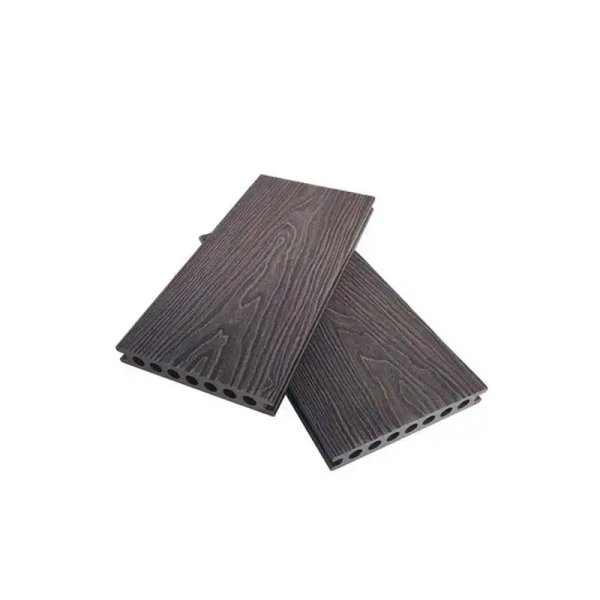
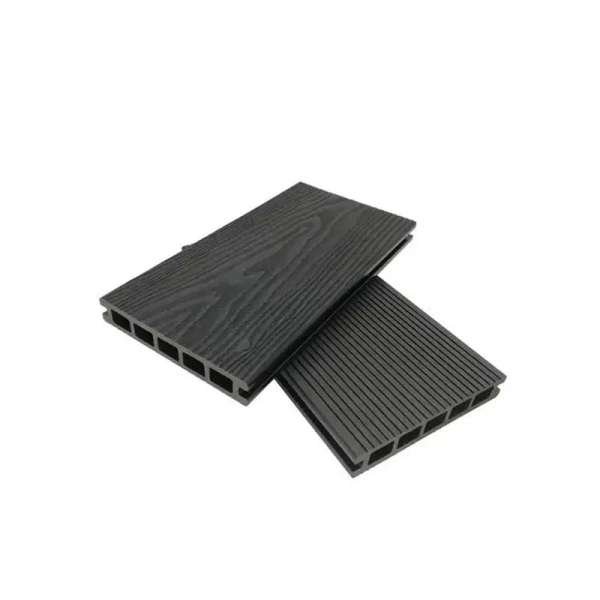
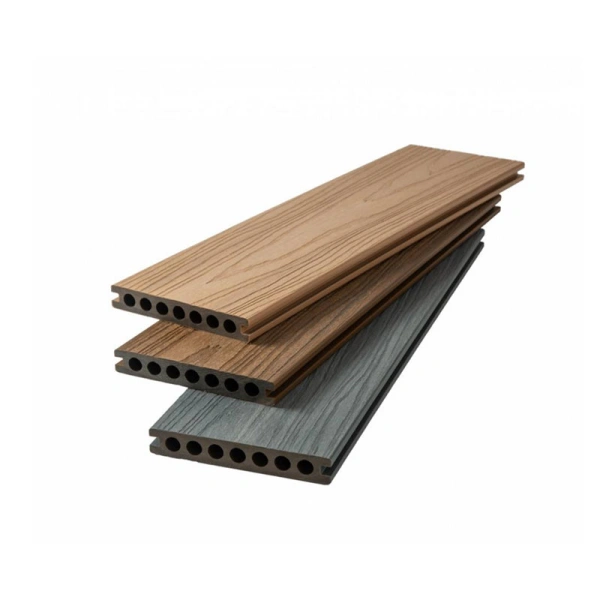
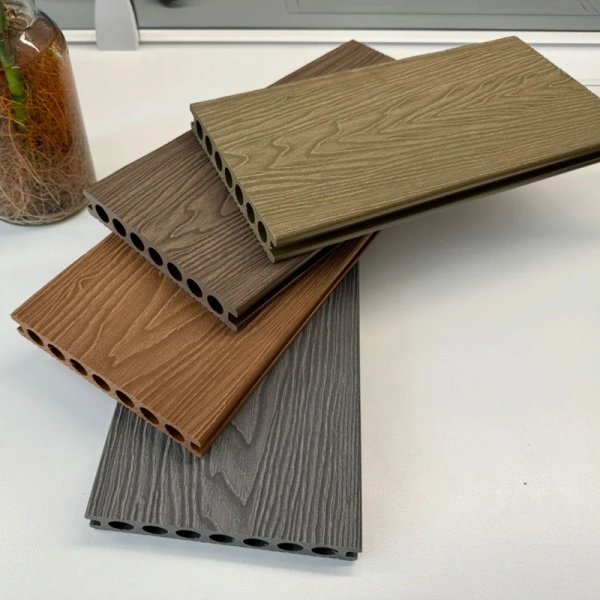
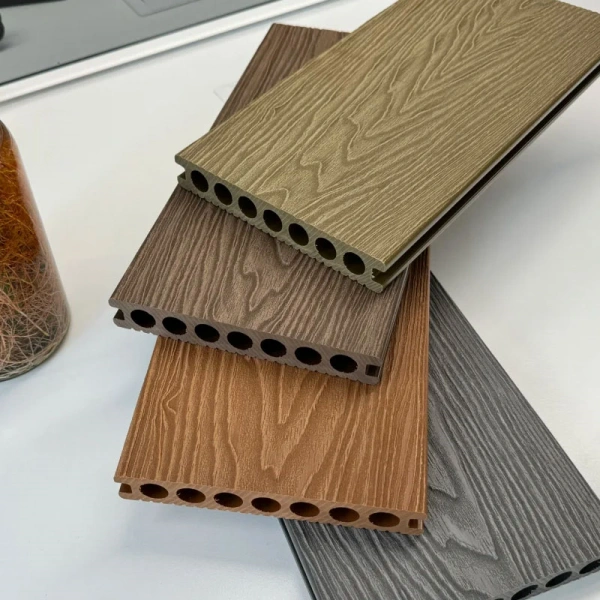
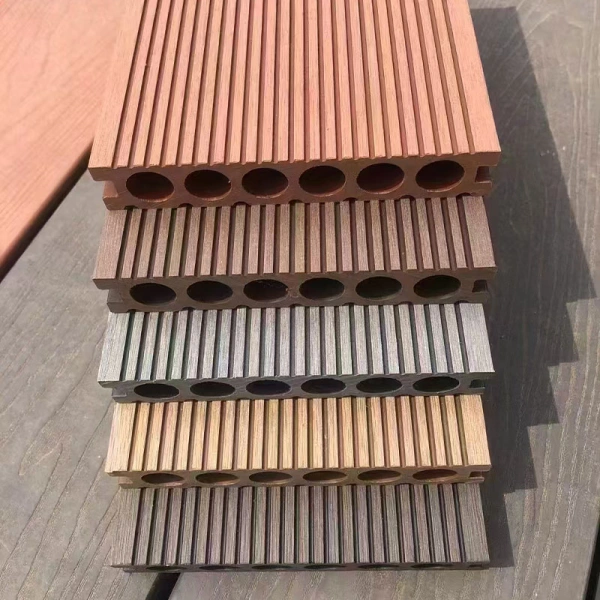
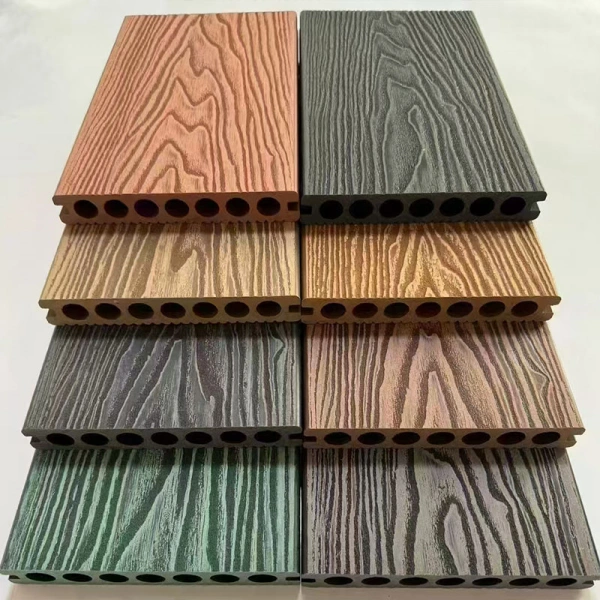
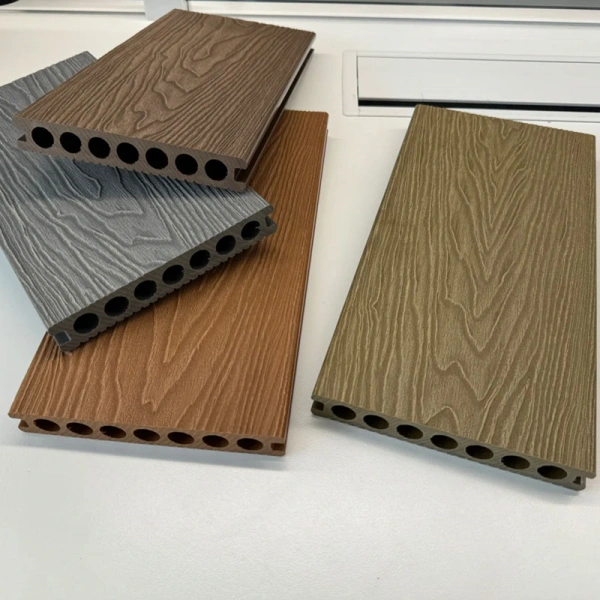
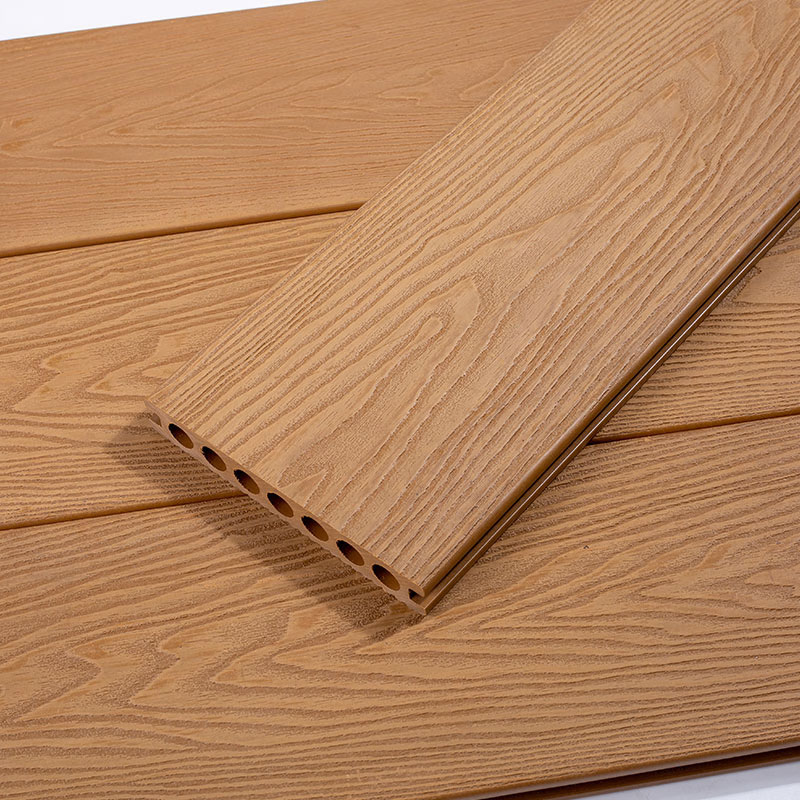
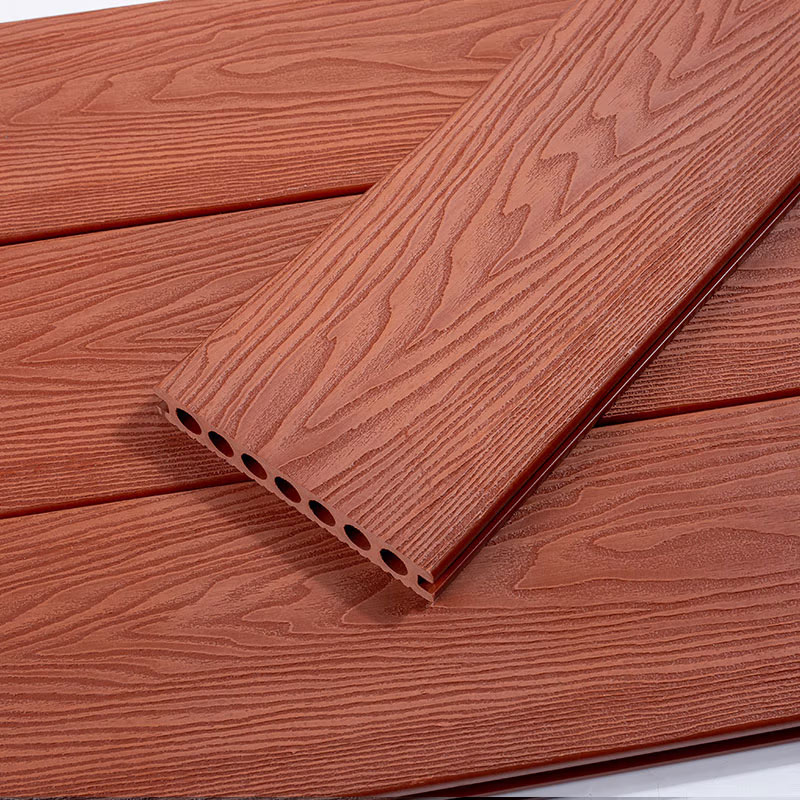
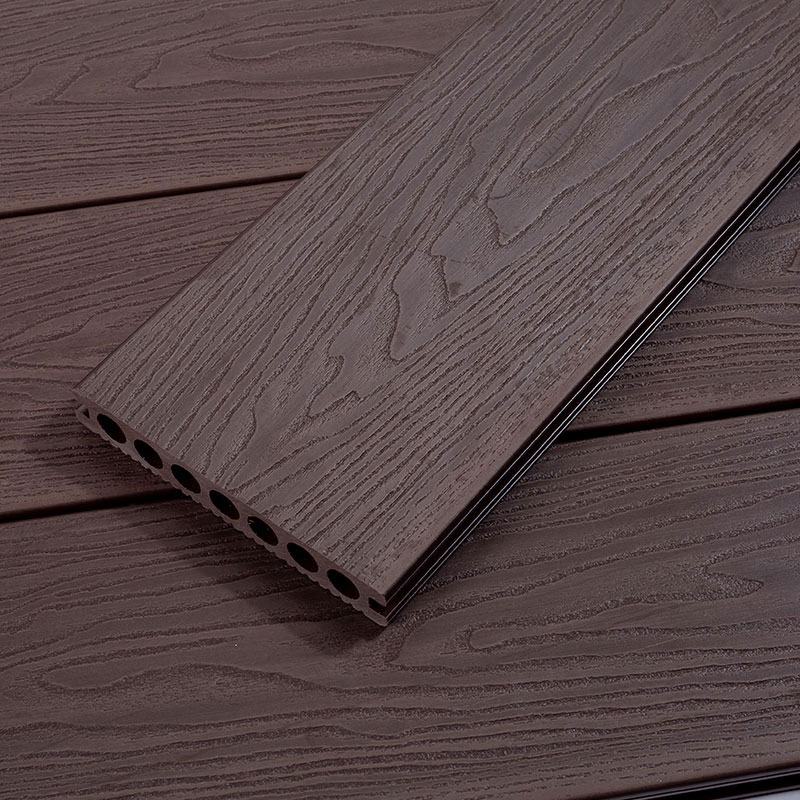
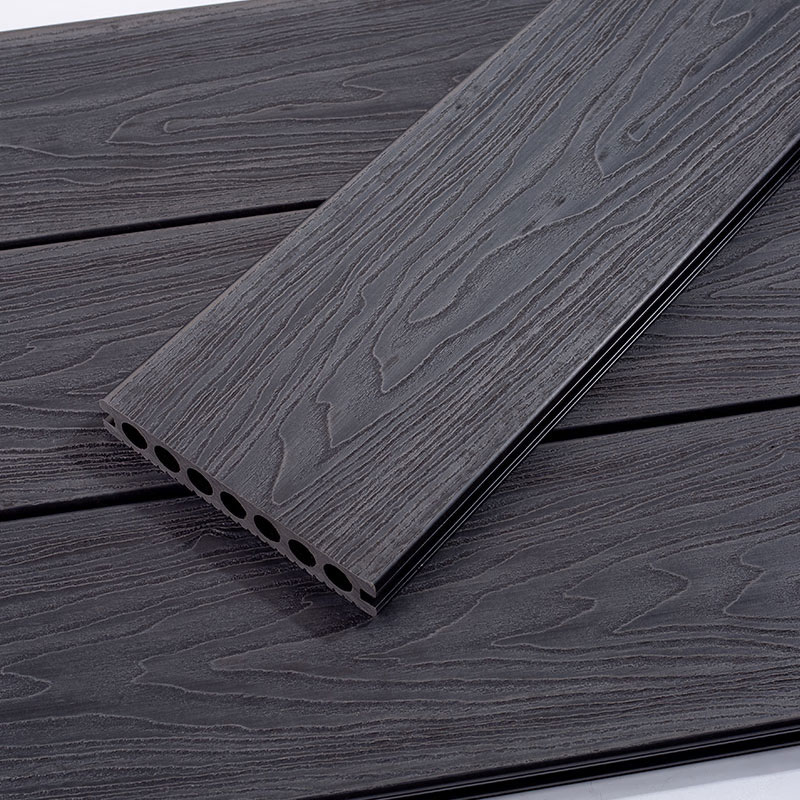
Color&Series
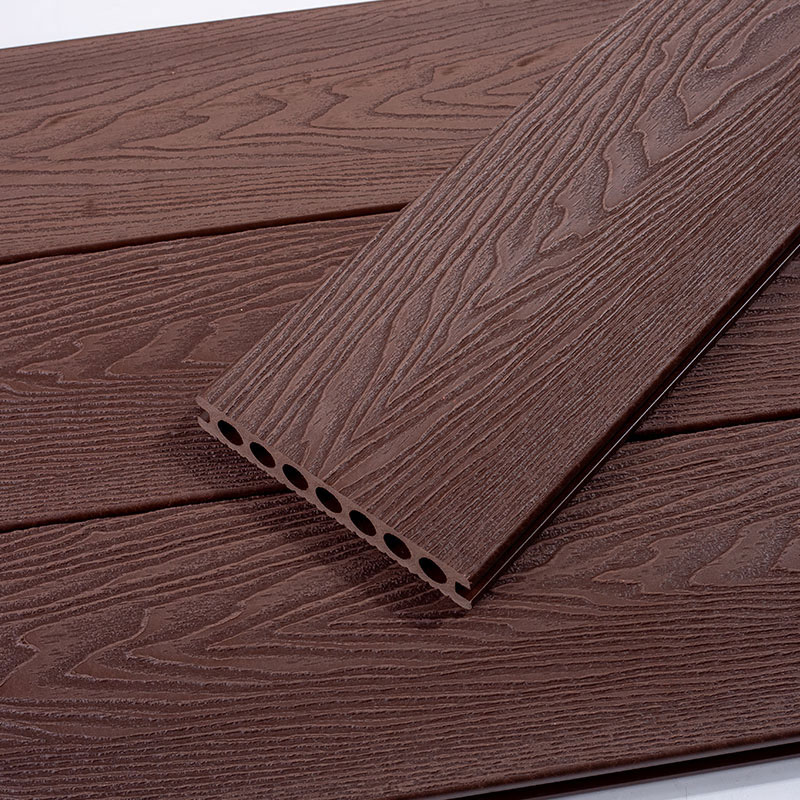
Features
NO REPAIRS OR MAINTENANCE REQUIRED
The characteristics of plastic wood are high strength,anti-rust, anti-corrosion, acid-resistant, and no need for care and maintenance. It is a great innovation in the construction and decoration industry.
POWERFUL PREVENTION CAPABILITIES
Waterproof and moisture-proof, it solves the problem that traditional wood products are prone to rot, swelling and deformation after absorbing water and getting damp in humid and watery environments.
Insect-proof and termite-proof, effectively eliminate insect harassment and extend service life.
High fire resistance, effectively flame retardant, self-extinguishing in case of fire, and does not produce any toxic gases.
STRONG PLASTICITY
It can easily realize personalized styling and fully reflect individual style. It has good process ability and can be customized, planed,sawed, drilled, and the surface can be painted.
Application Areas
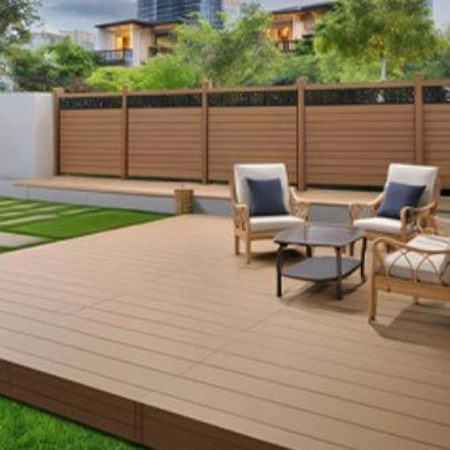
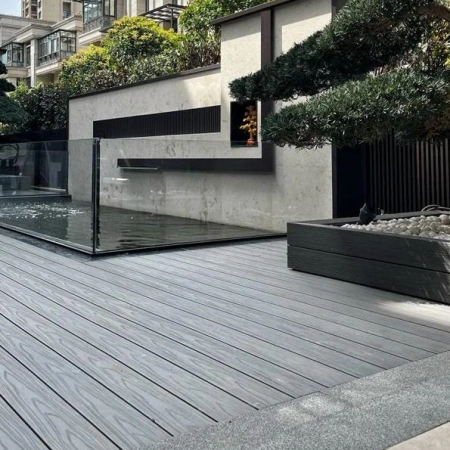
WPC Decking for balcony terrace
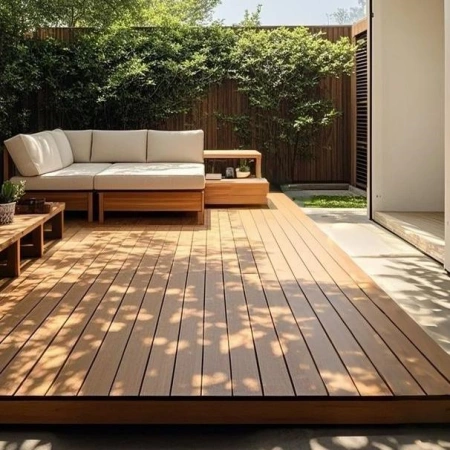
WPC Decking for garden viewing platform
WPC Decking for outdoor courtyard
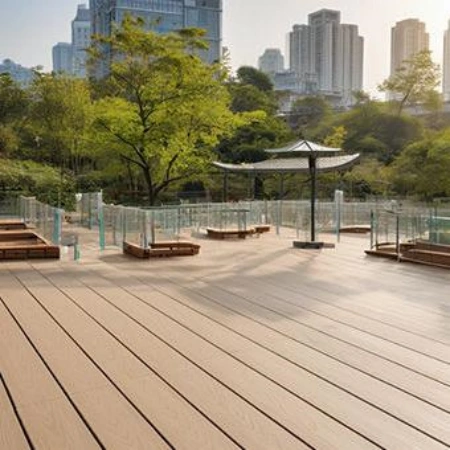
WPC Decking for park squares
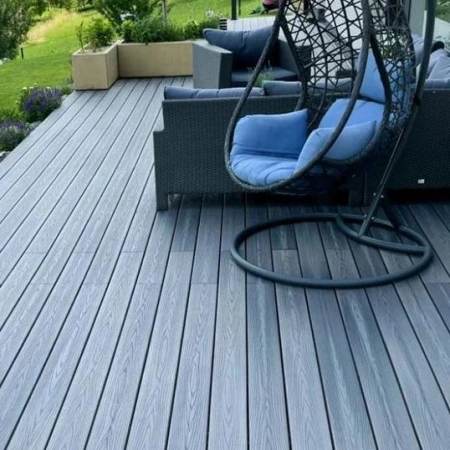
WPC Decking for roof garden
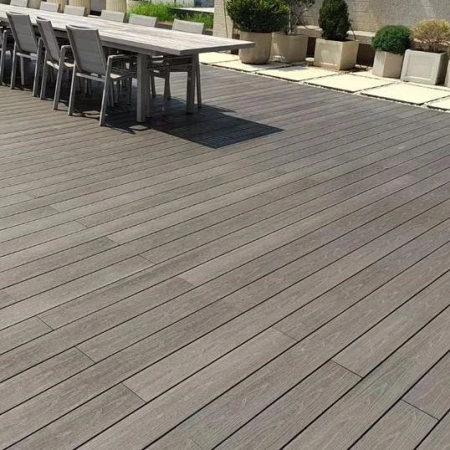
WPC Decking for rooftop platforms
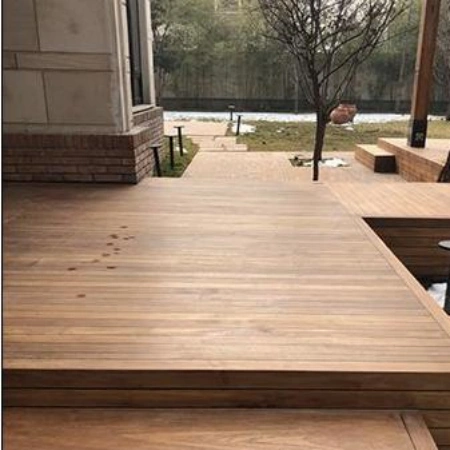
WPC Decking for stair step
Parameters
| Product name | WPC Decking |
| Raw material | Wood Powder+HDPE +Additives |
| Product size | 2900*140*25mm, 2900*145*21mm; 2900*140*23mm; Length accpet customized |
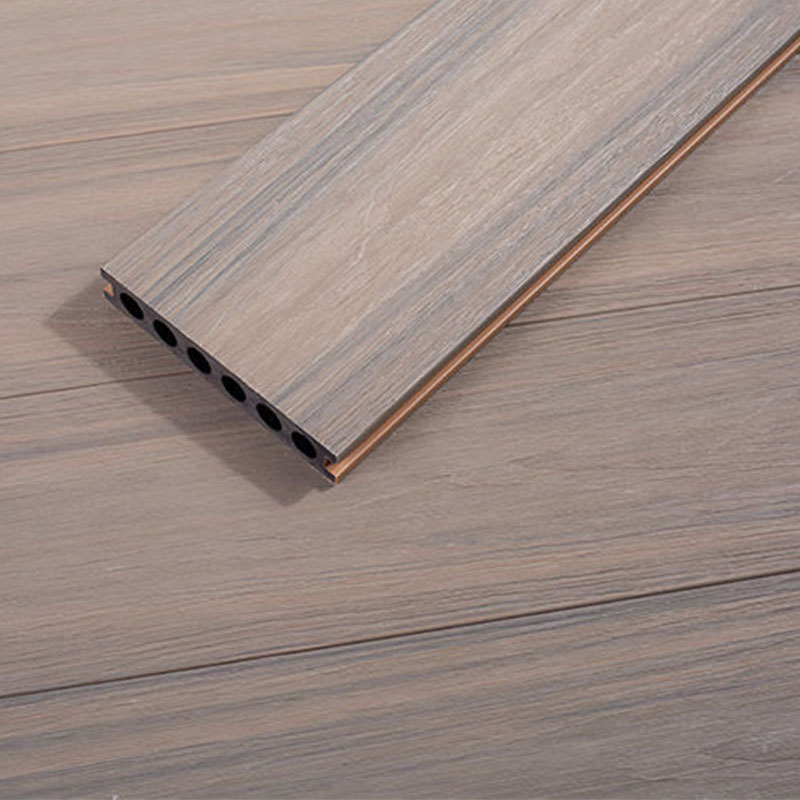
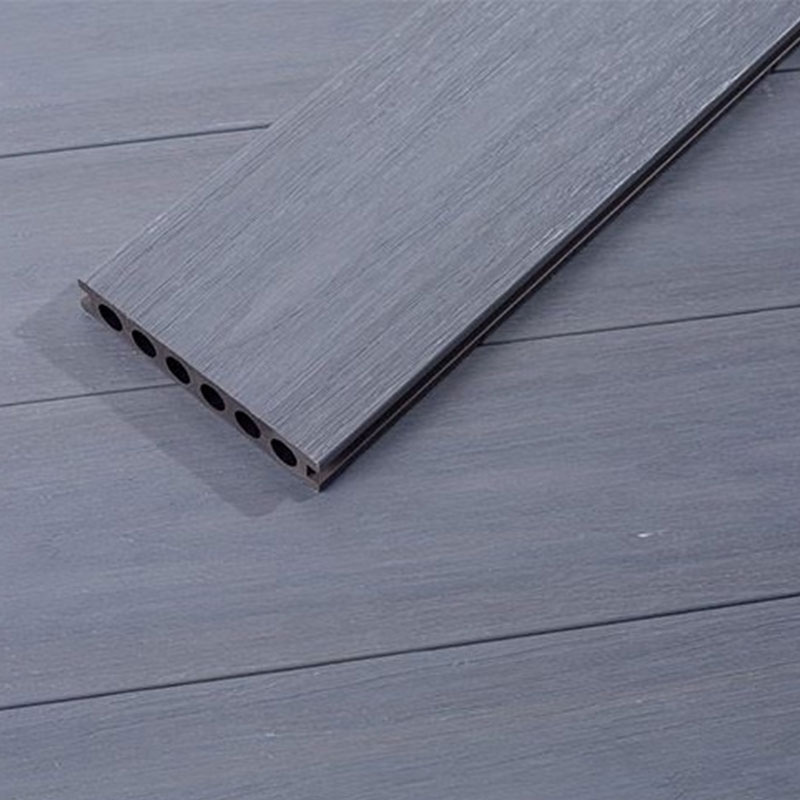
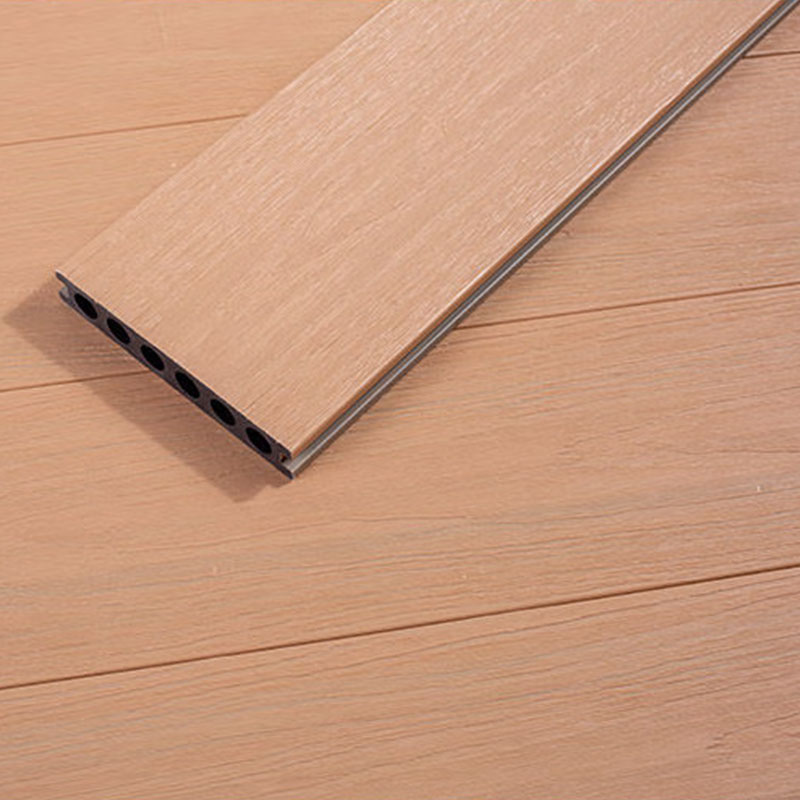
| Color | Rosewood; Maple; Reddish Brown; Teak; Sandy Brown; Dare coffe; Light coffe; Light grey; Black; Green |
| MOQ | 1 wood pallet=161 pieces per color |
| Delivery time | About 15-20 days for one 20ft container |
| Metal accessories | Plastic matching buckle, mental matching buckle,L shaped foot line, plastic wood keel |
| Sample | We can provide FREE SAMPLES! |
| Feature | 1. 100% recycling, could be easily installed and uninstalled;2. Very easy installation, low labor cost; 3. No need painting, No need maintenance. 4. Great Anti-UV performance, very low color fading; 5. Fire-resistant, fire will die itself; 6. Waterproof, only 0.15% water absorbing; 7. Anti-Corrosion, could be used for more than 25 years; 8. Crack resistant, we serve 15 years warranty for cracking. |
FAQ
WPC (Wood Plastic Composite) decking is a high-performance alternative to traditional timber planks. It’s made by blending wood fibers with recycled plastics and bonding agents to create a solid, heavy-duty board. Think of it as having the natural look of wood but the “DNA” of plastic. It’s specifically engineered to survive outdoors without the constant need for sanding, staining, or sealing that natural wood demands.
Installing WPC is actually a lot cleaner than working with timber because the boards are perfectly uniform. Most systems use a hidden fastening system. You lay down a sub-frame (usually WPC joists or treated timber), then slide clips into the grooves on the side of the boards and screw them down. This means you don’t have unsightly screw heads popping up on the surface. You just need to leave proper expansion gaps between the boards so the deck can “breathe” during temperature changes.
No material is perfect. The main “trade-off” is that WPC retains more heat than natural wood; if it’s in direct, scorching sun all day, it can get quite hot under bare feet. Also, while it’s incredibly durable, it’s not “scratch-proof”—if you drag a heavy metal fire pit across it, you will leave a mark, and unlike wood, you can’t just sand it out. Lastly, the initial upfront cost is higher than basic pressure-treated pine.
If you hate maintenance, it’s not just good—it’s a lifesaver. WPC won’t rot, warp, or splinter, and it’s completely immune to termite attacks. For homeowners in damp or coastal climates where wood typically fails within 5–8 years, WPC is the gold standard. It stays looking “freshly installed” for decades with nothing more than an occasional wash with a garden hose.
It depends on how you define “cheap.” If you only look at the price tag at the hardware store today, WPC is more expensive than softwoods like Pine. However, when you factor in the cost of decking oil, stains, brushes, and the manual labor required every two years to keep wood alive, WPC becomes the cheaper option by year 4 or 5. It’s a classic case of “pay now, or pay forever.”
This is a common safety concern. Most high-quality WPC boards are designed with an anti-slip grain or a ribbed texture. Because the material doesn’t absorb water or grow a layer of slimy algae as easily as damp wood does, it actually tends to be safer and more slip-resistant in rainy conditions. This makes it a top choice for pool surrounds and garden walkways where traction is a priority.
Quality Certification