
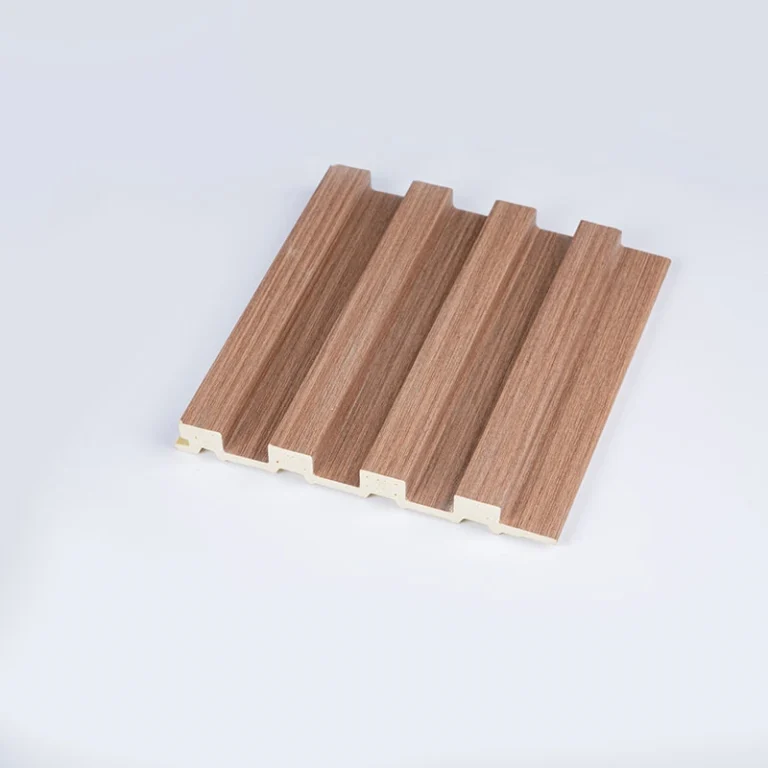
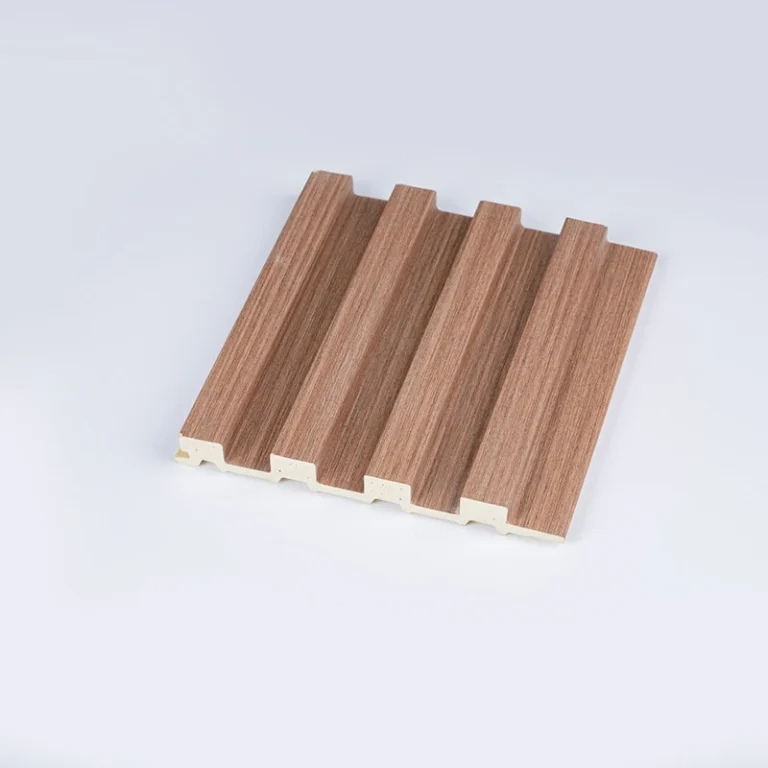
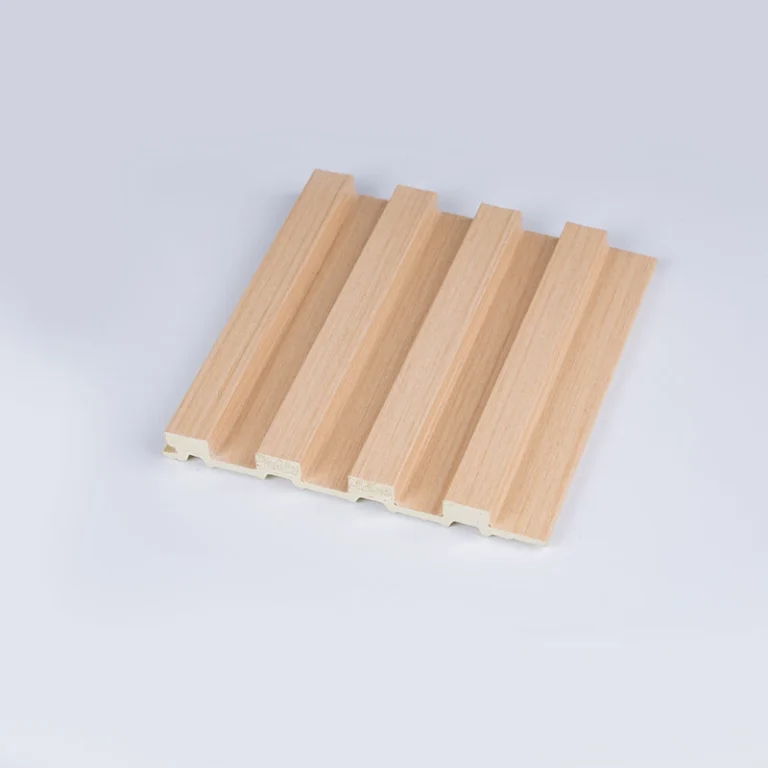
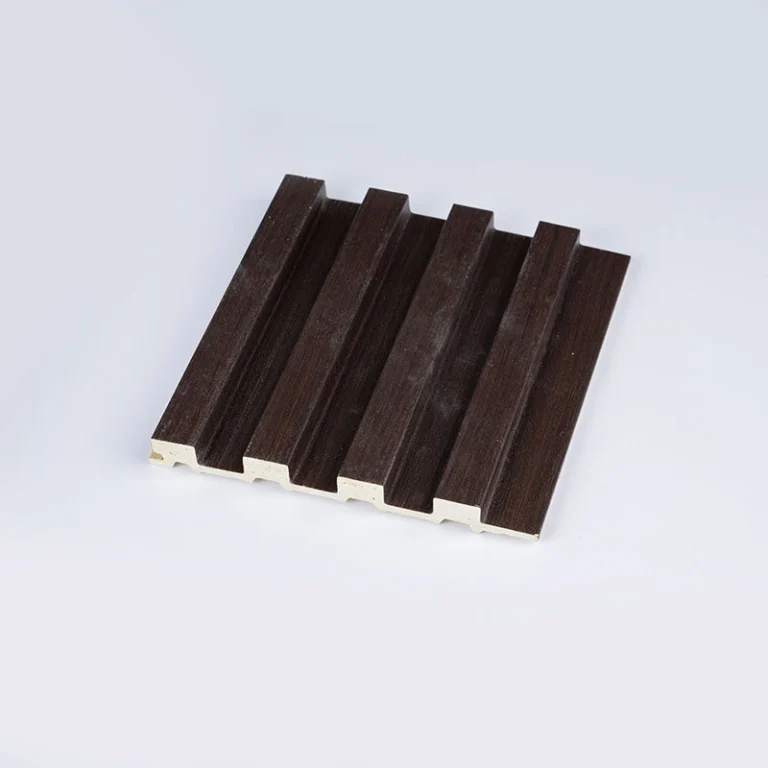
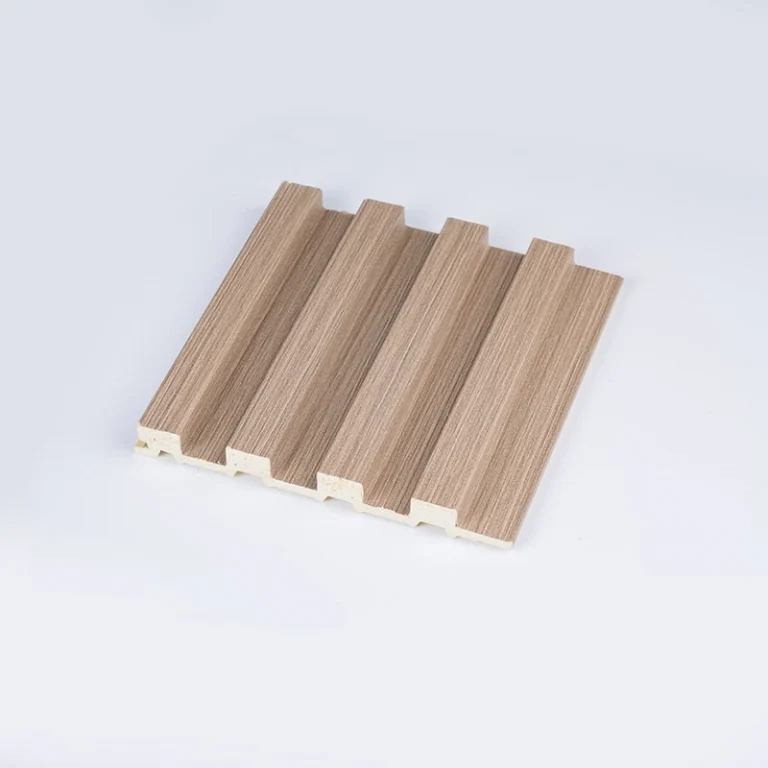
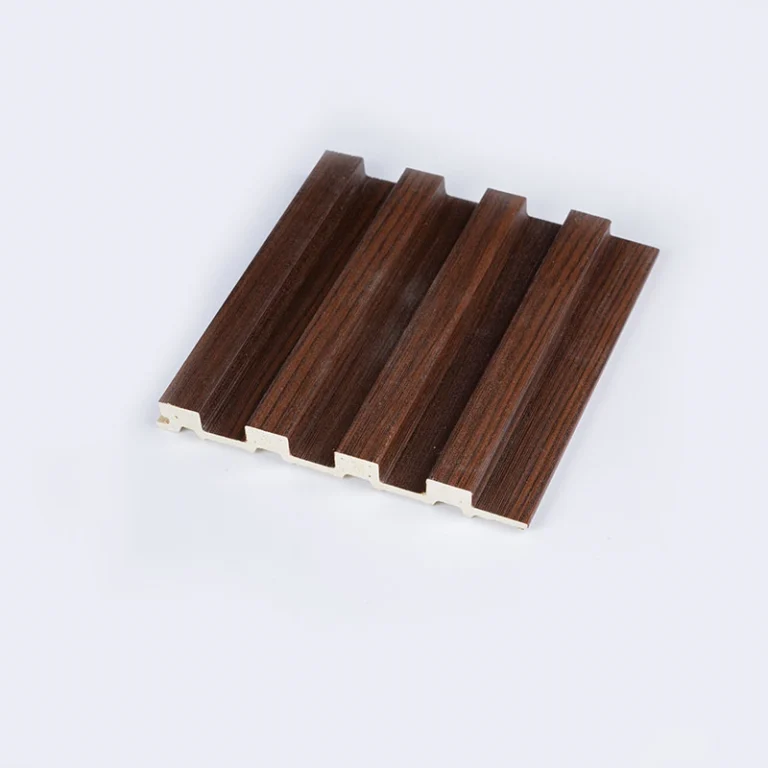
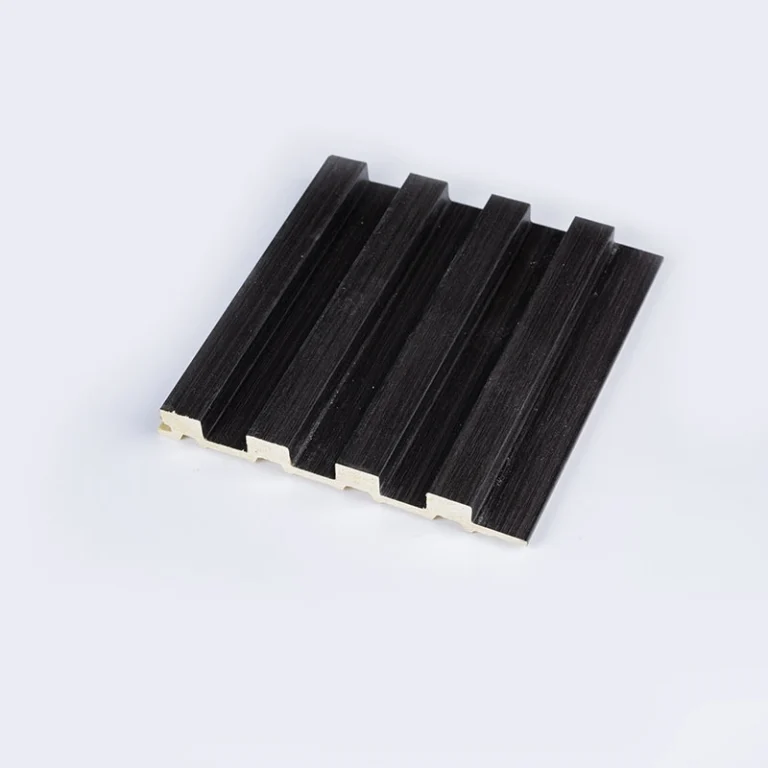
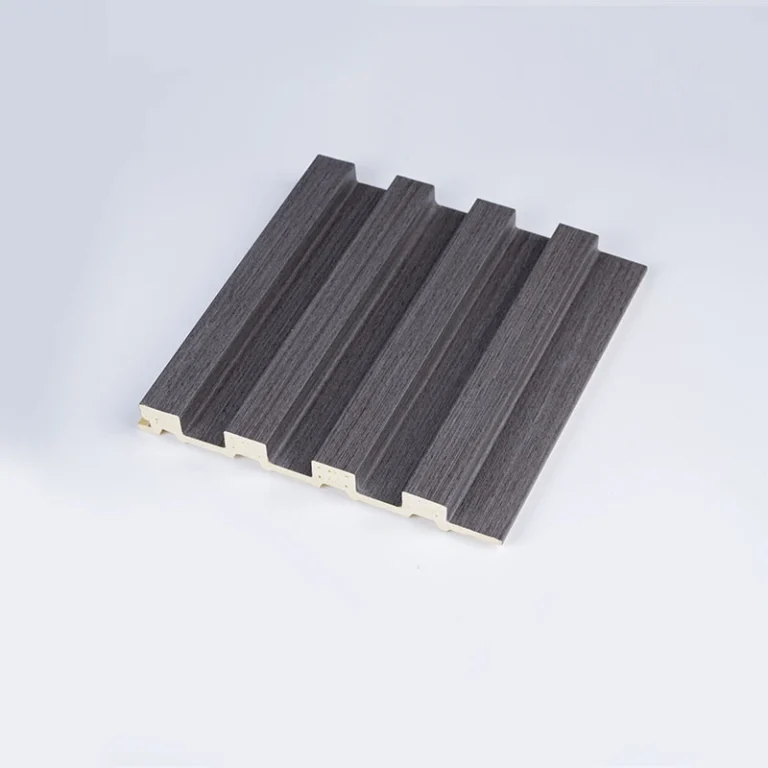
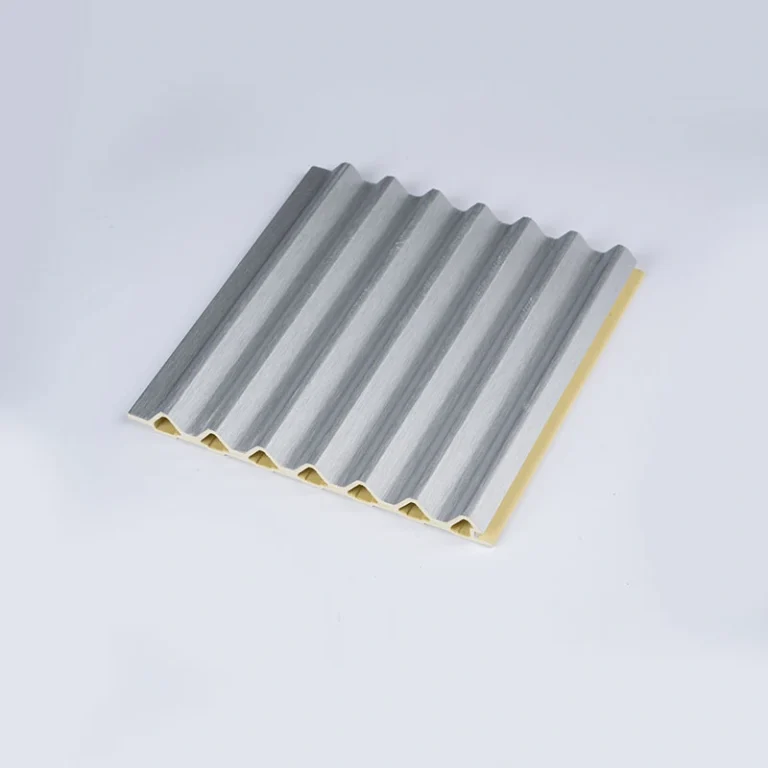
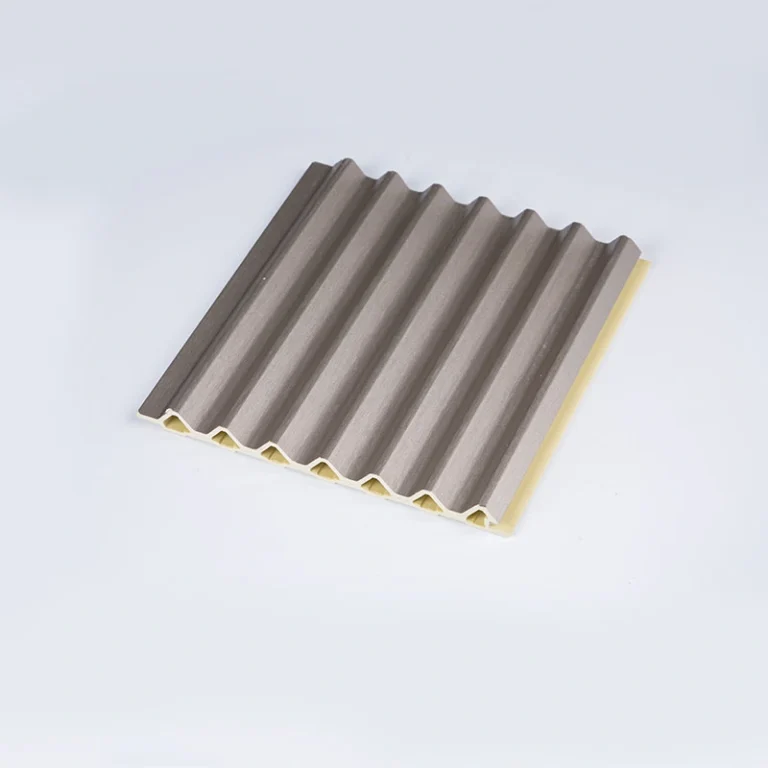
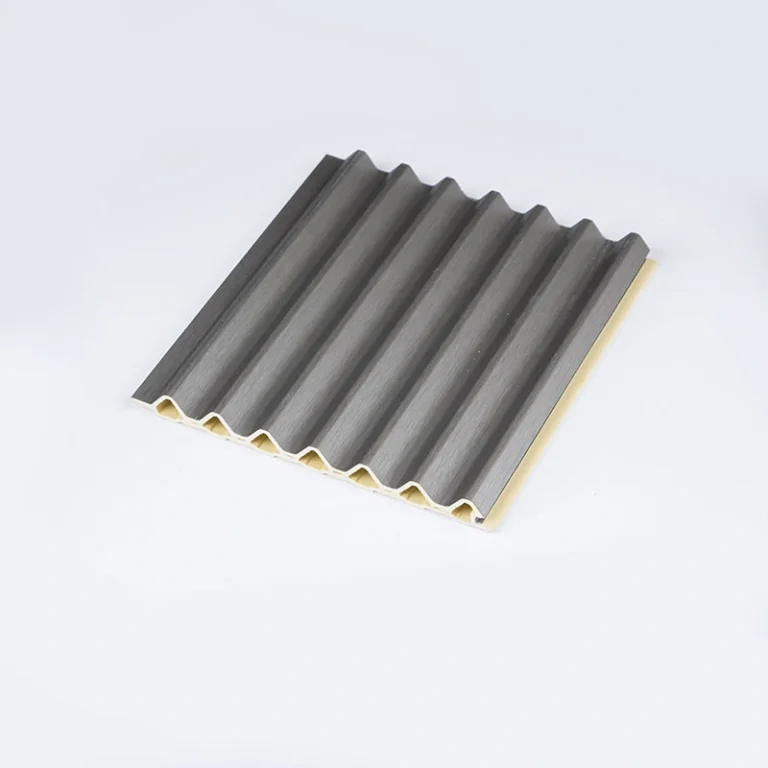
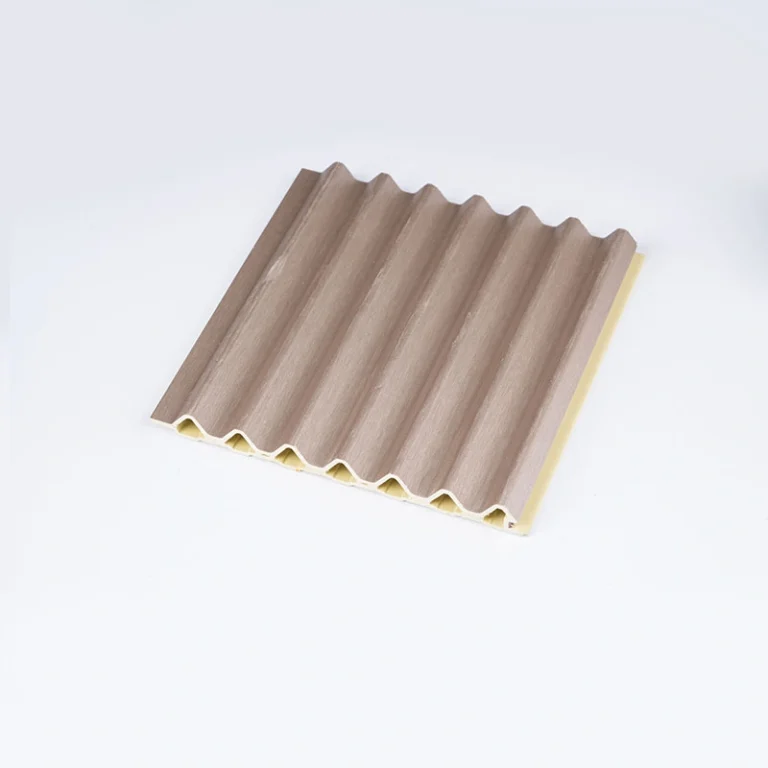
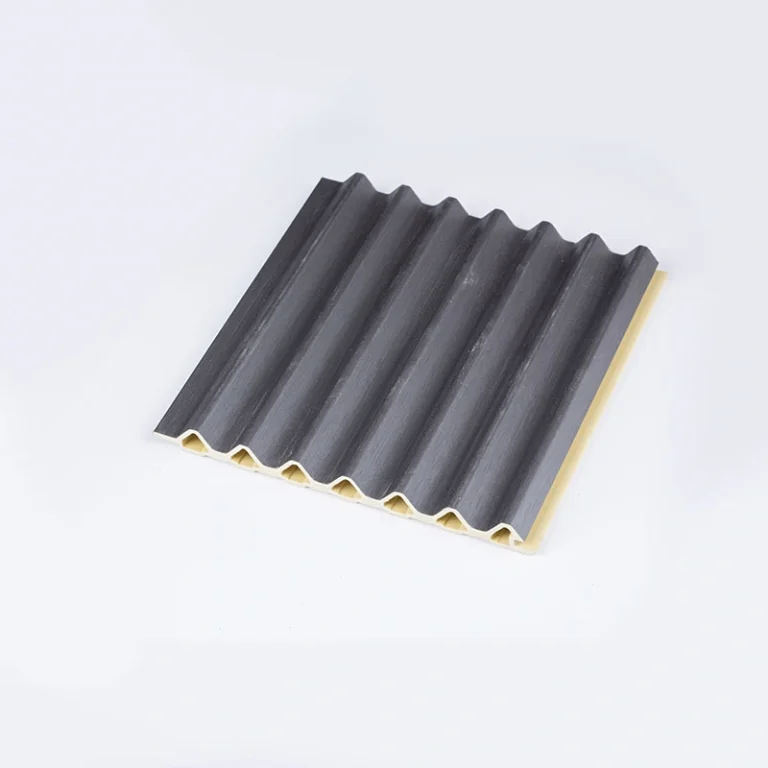
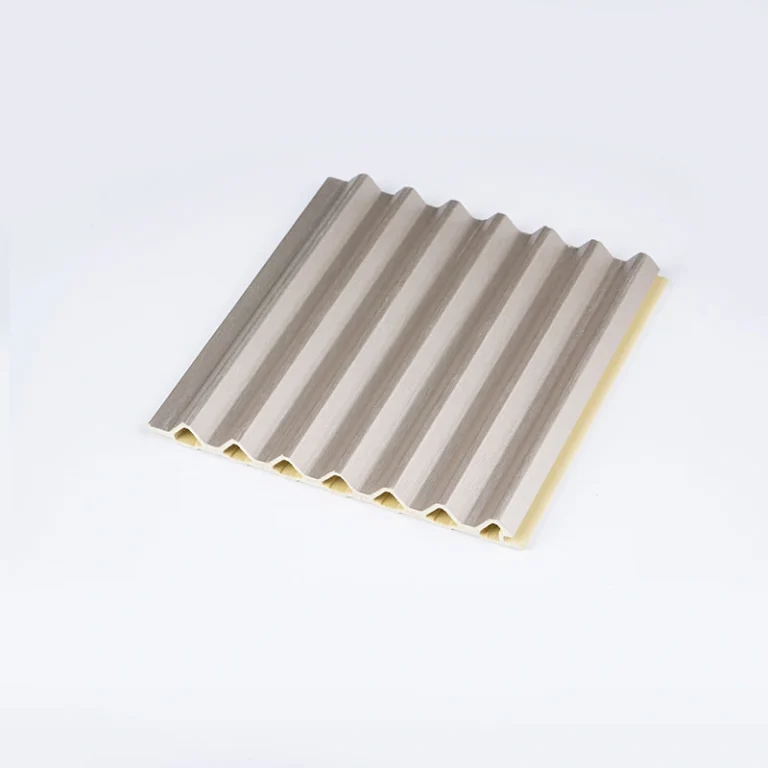
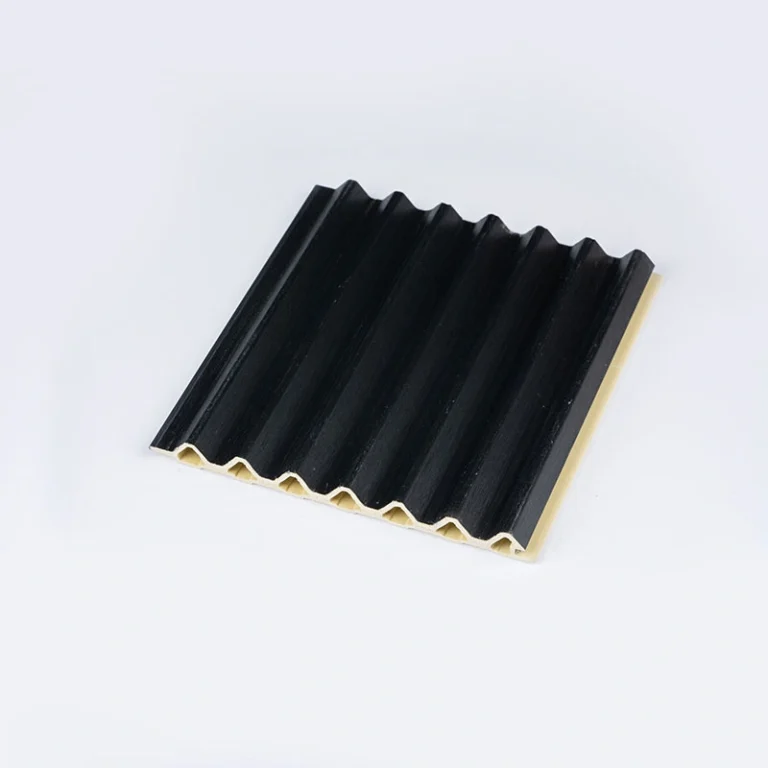
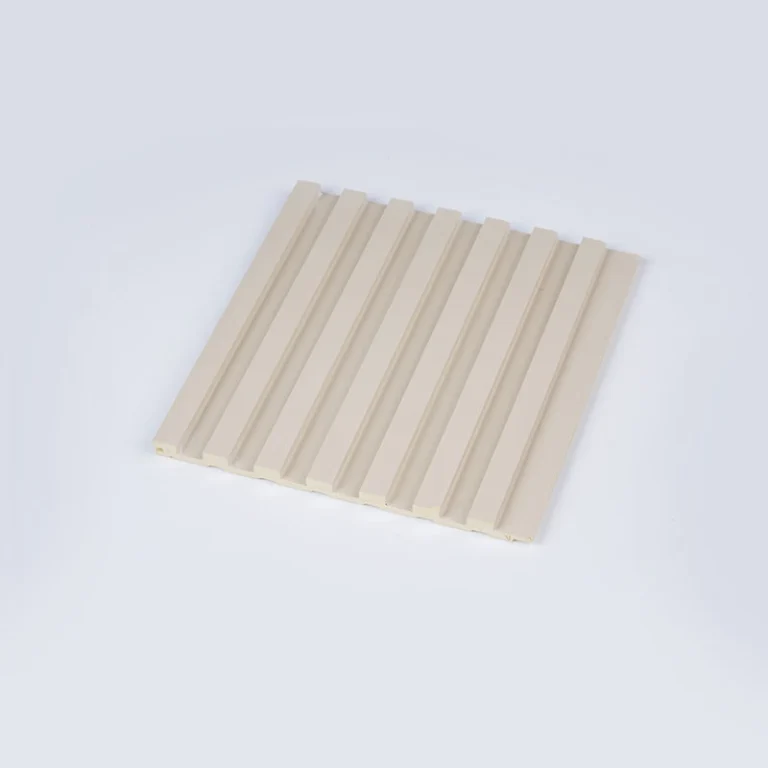
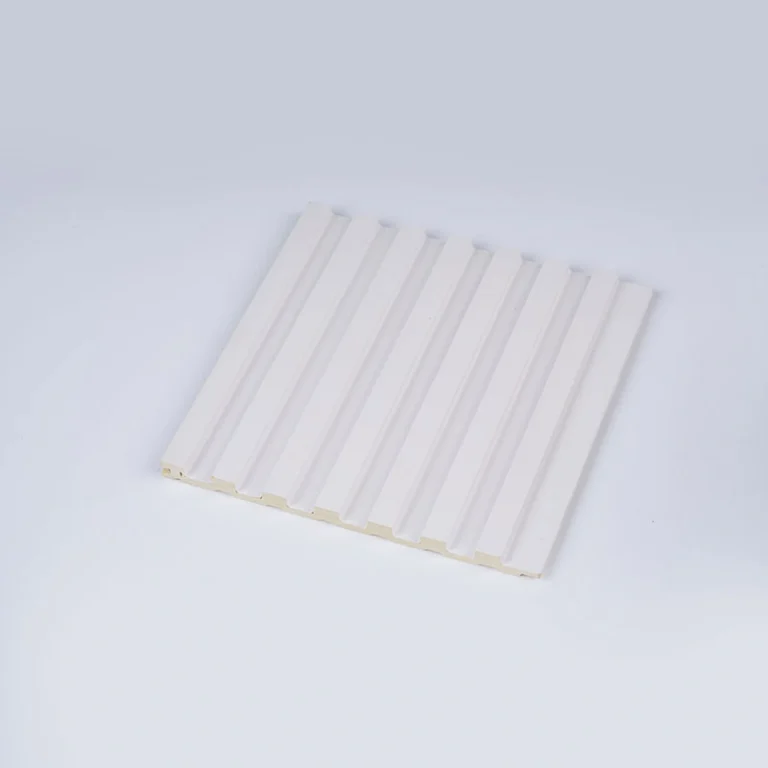
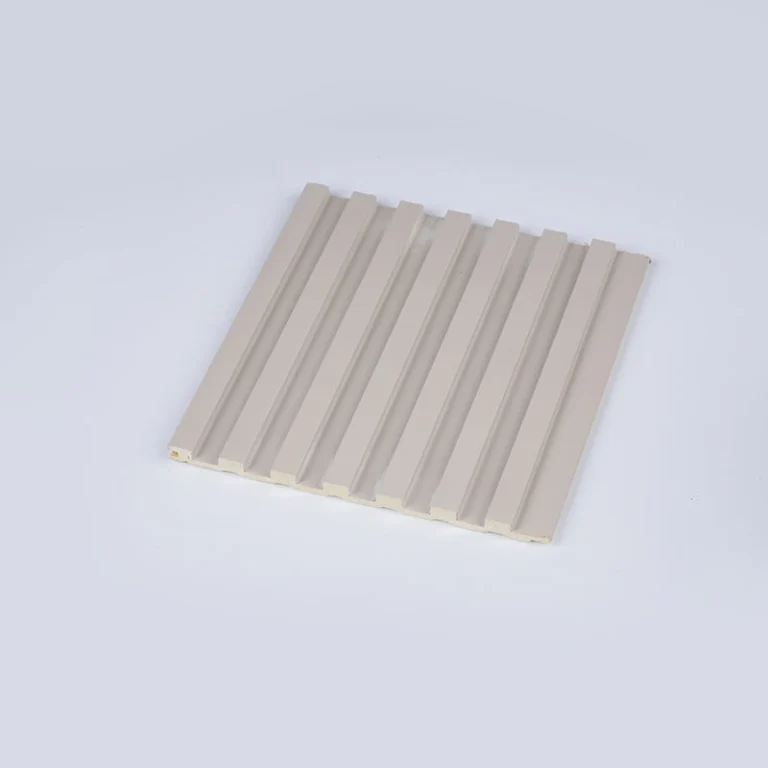
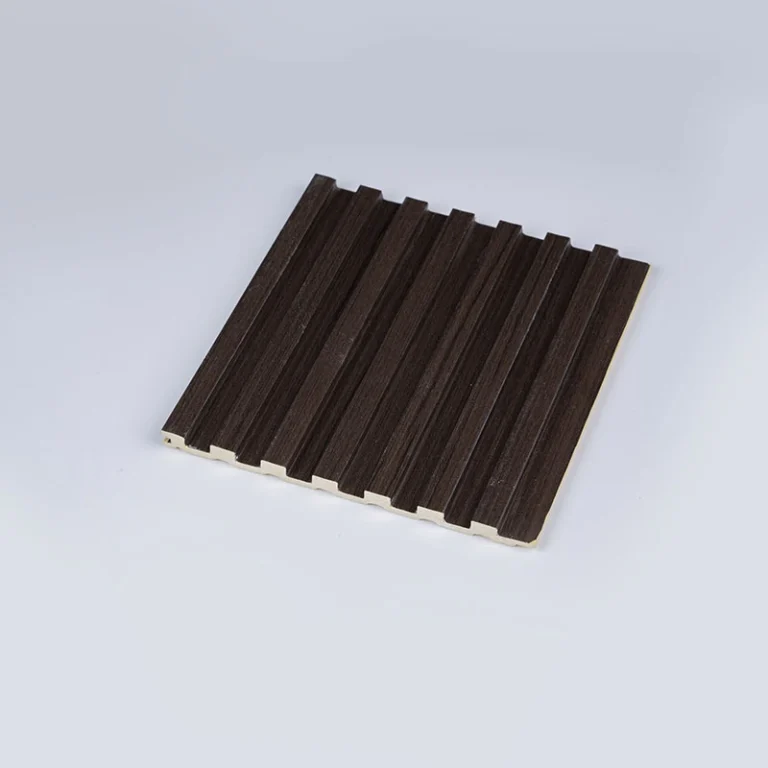
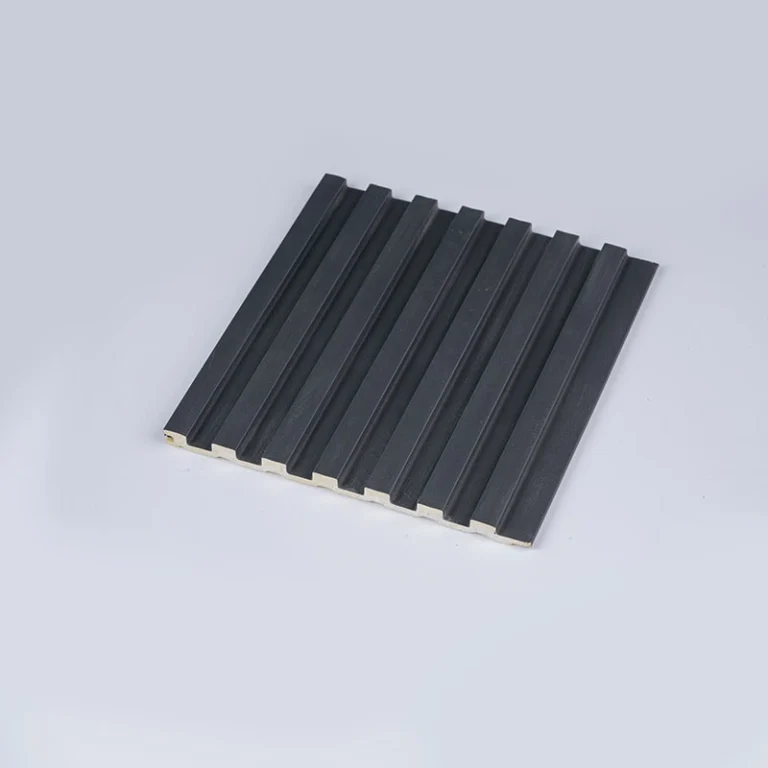
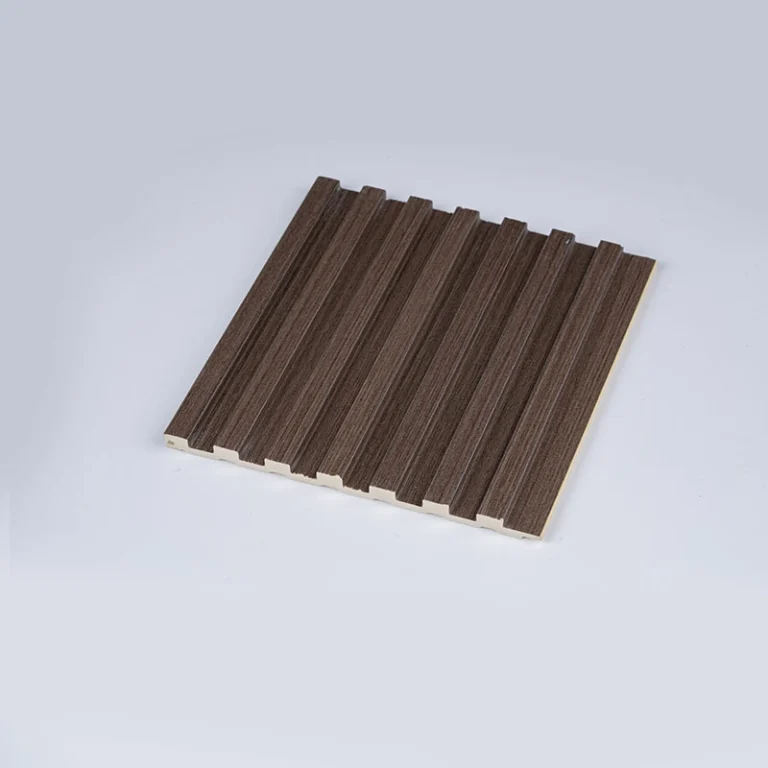
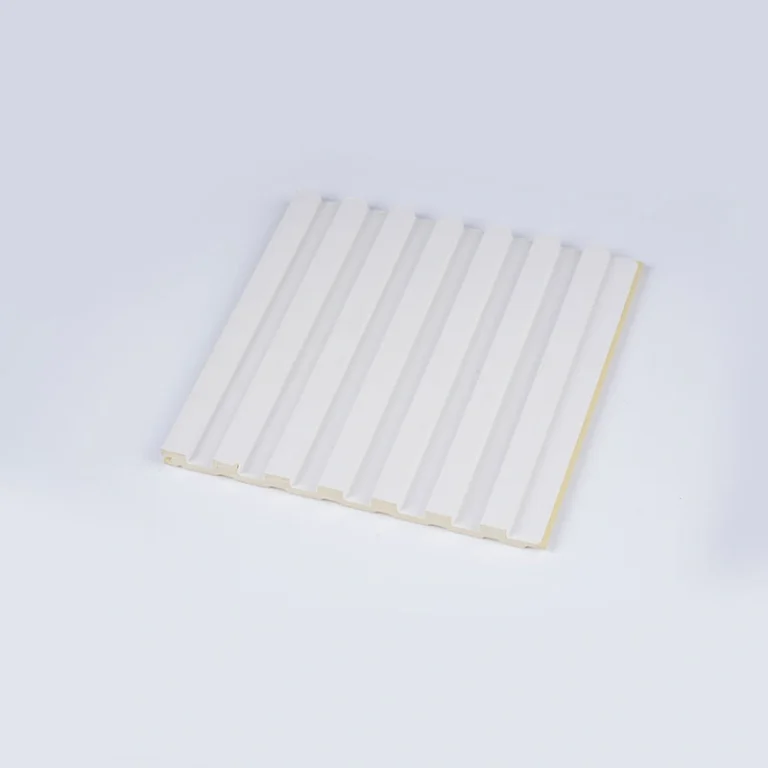
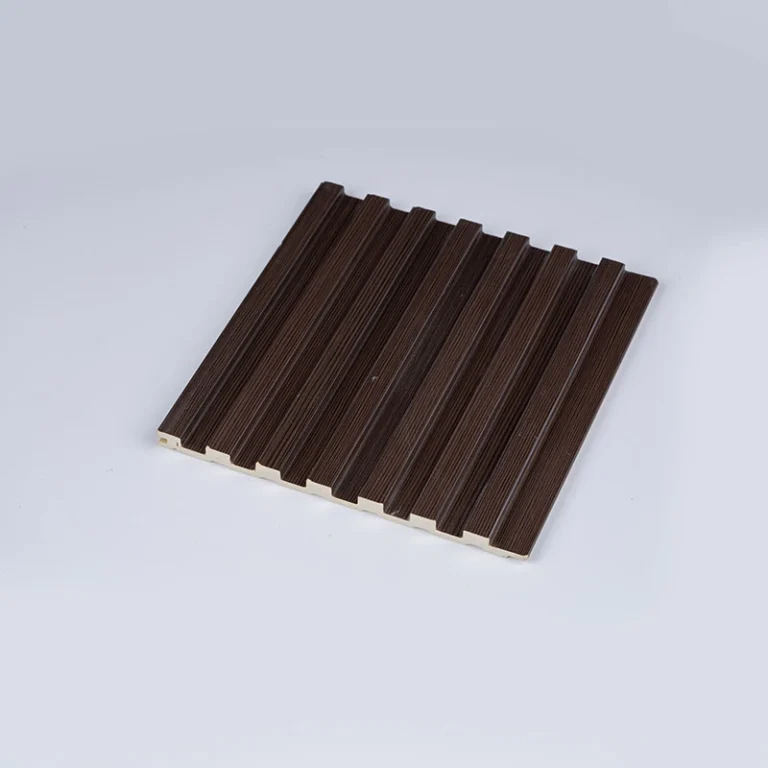
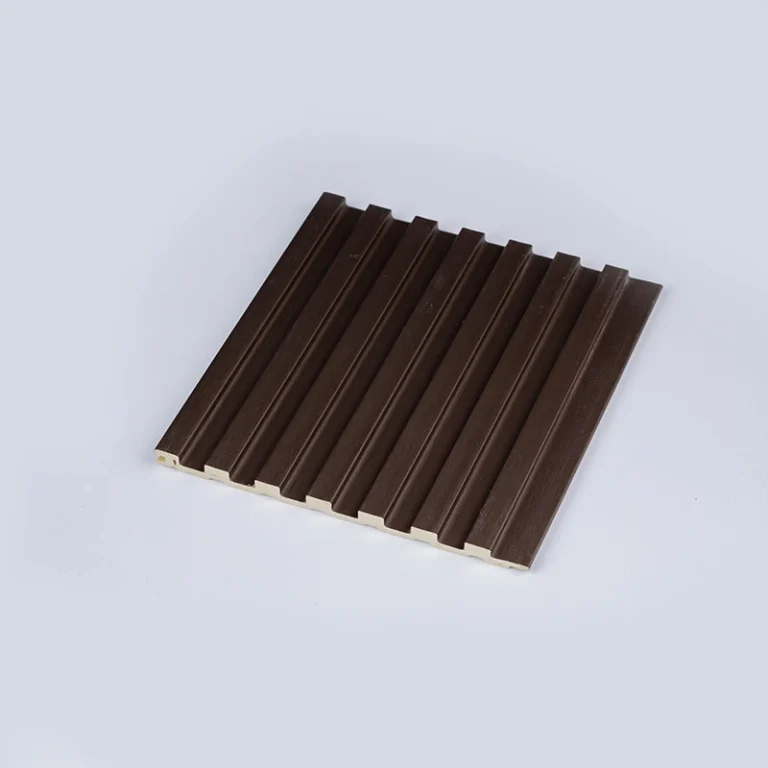
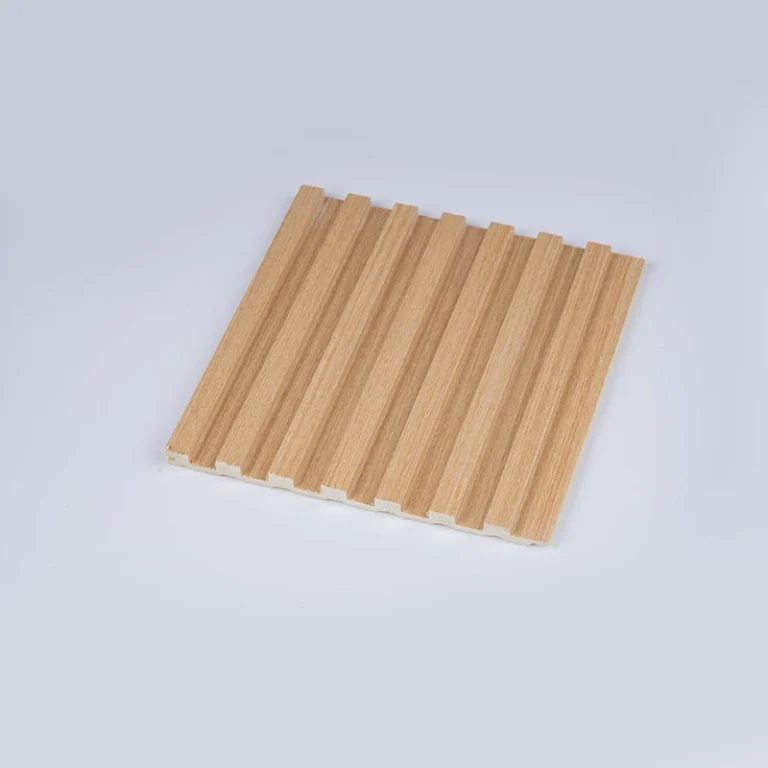
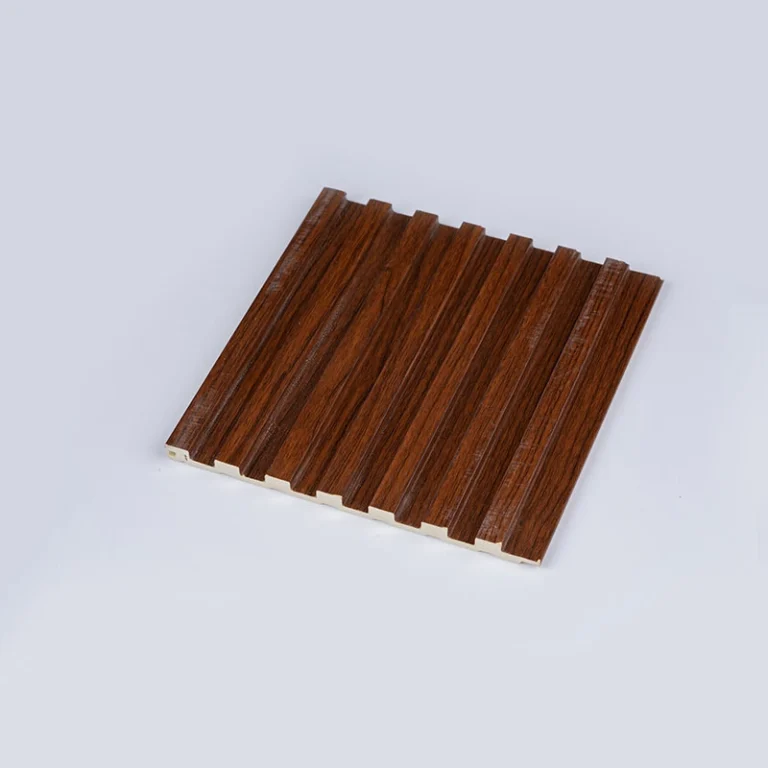
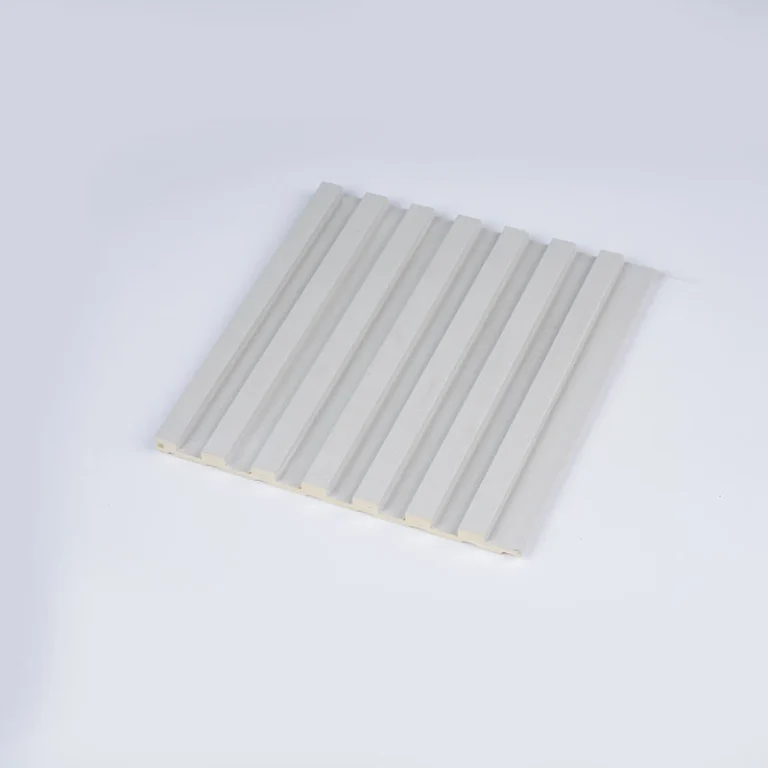

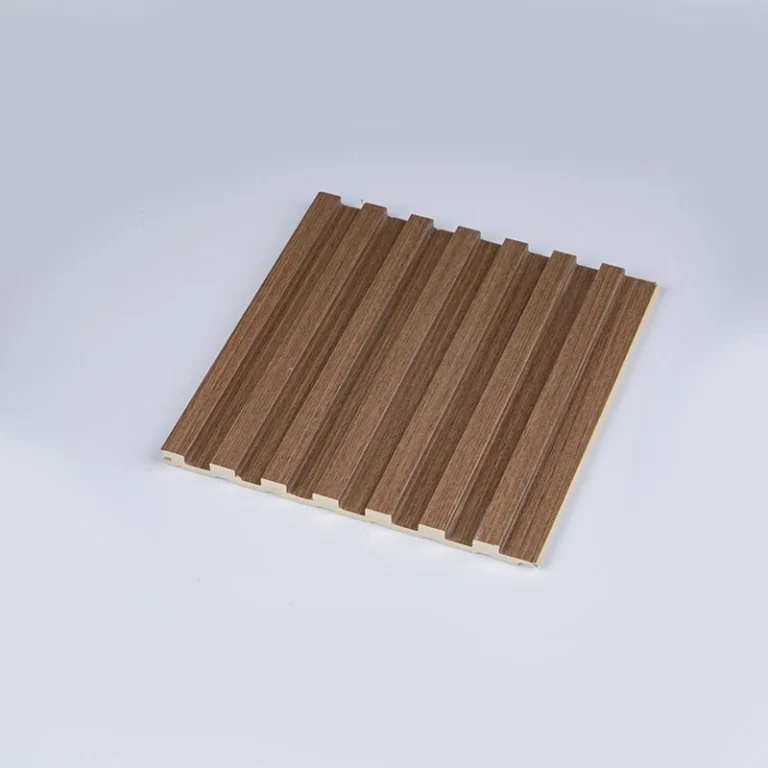
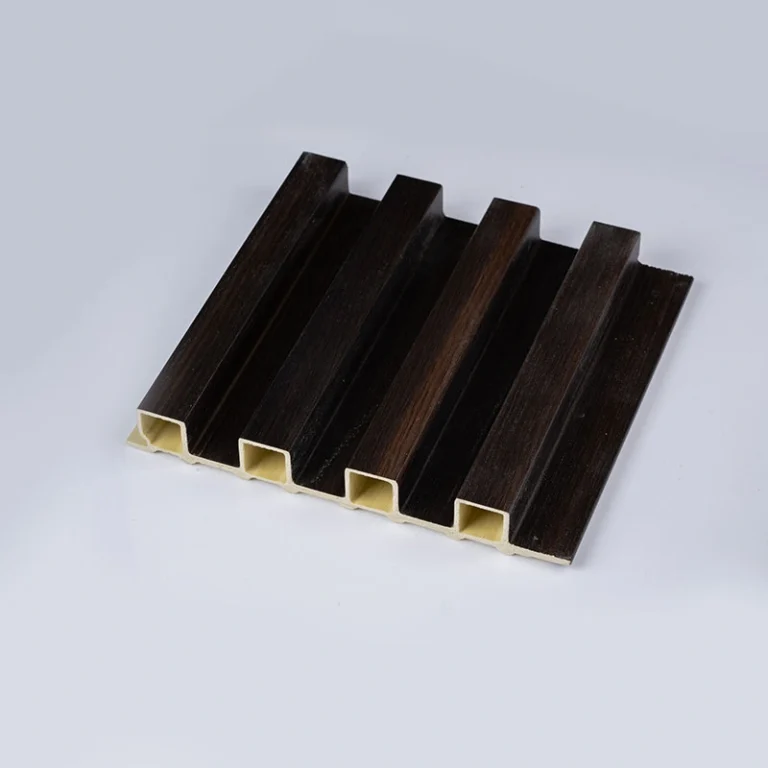
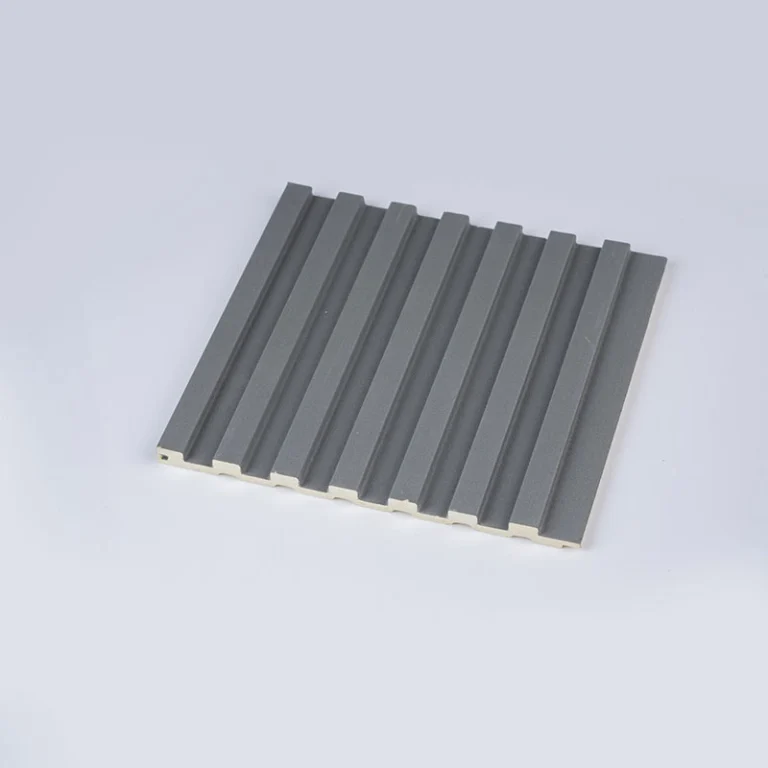

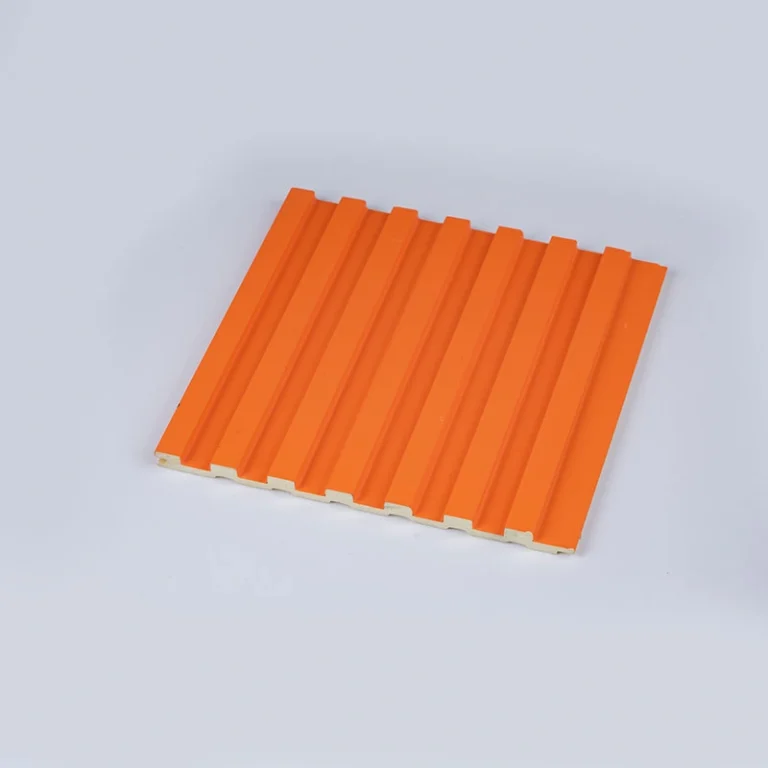

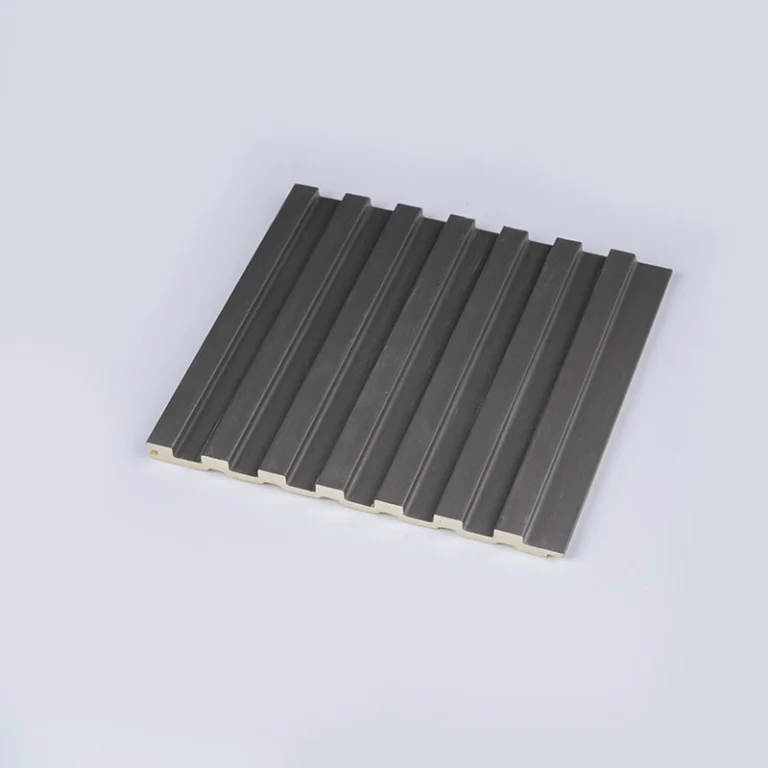
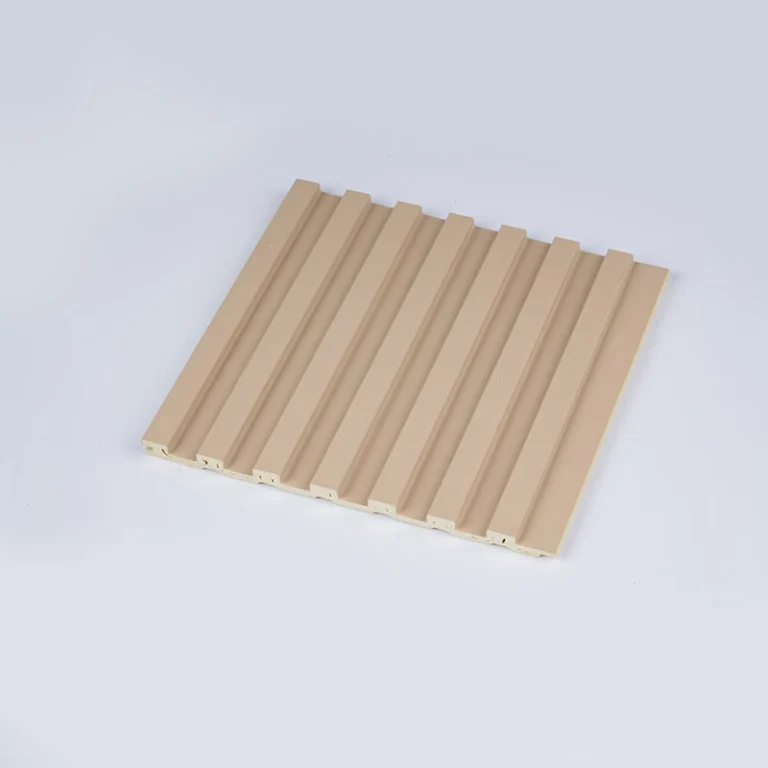
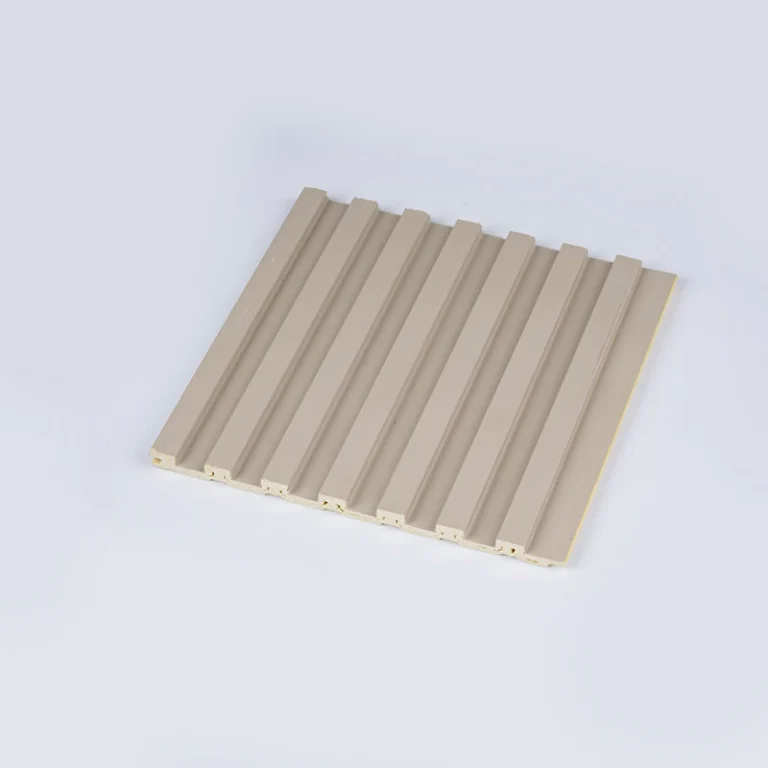
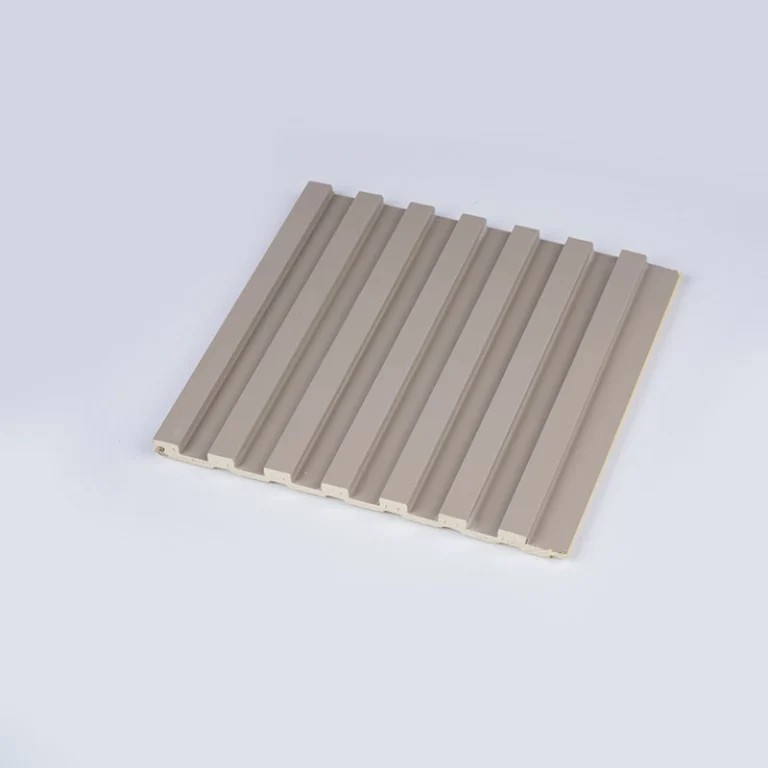
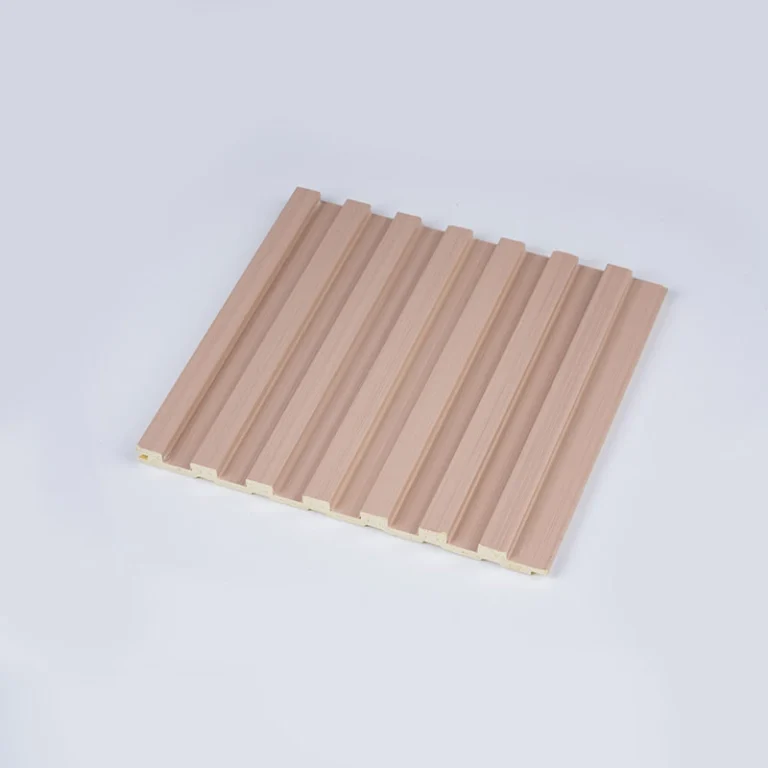
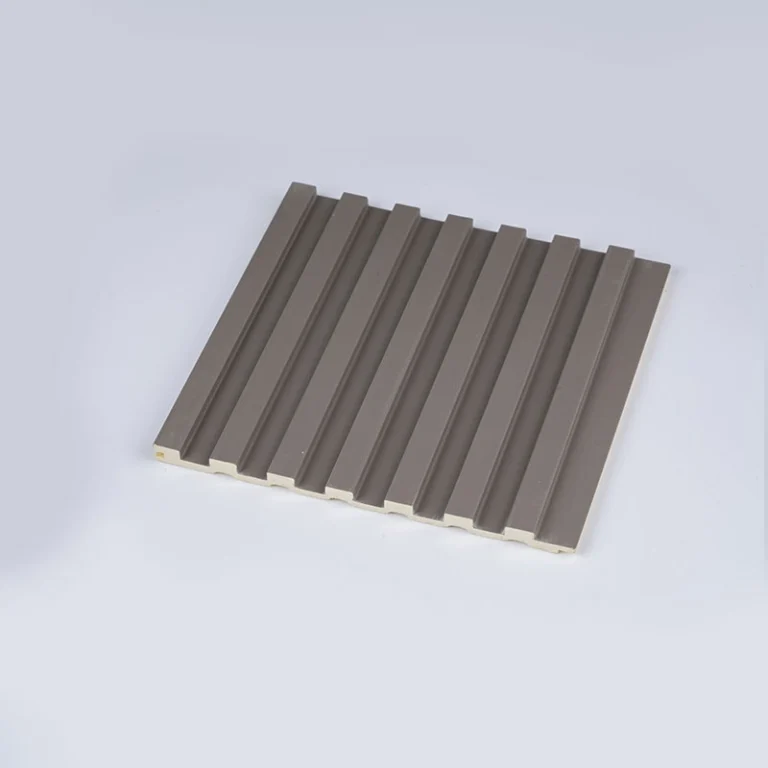

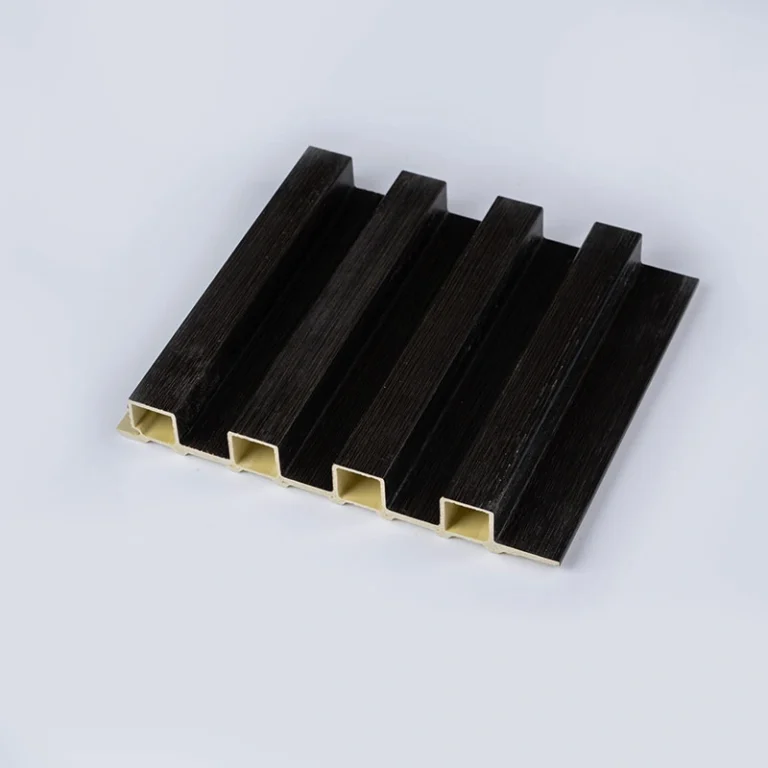

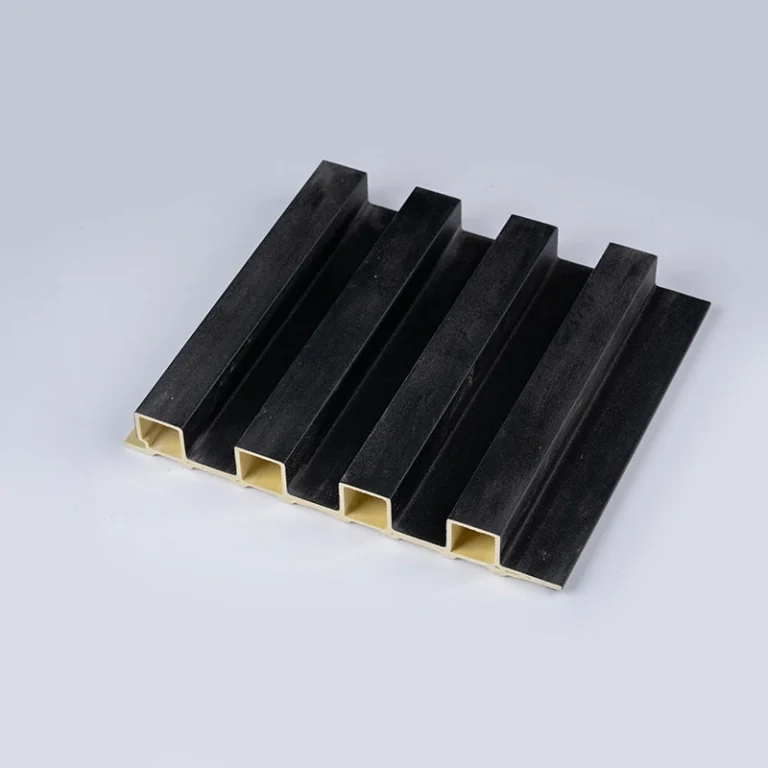
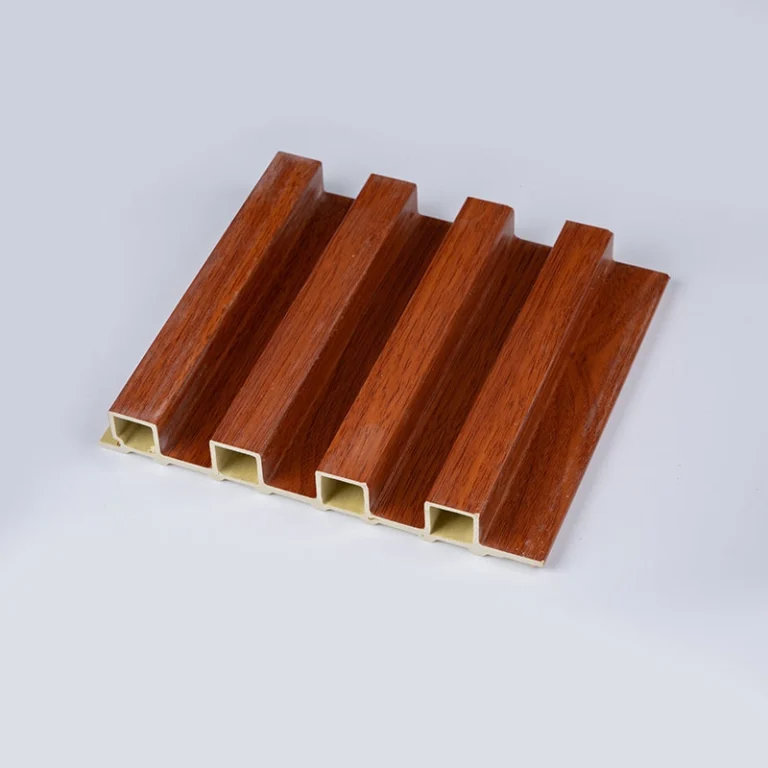
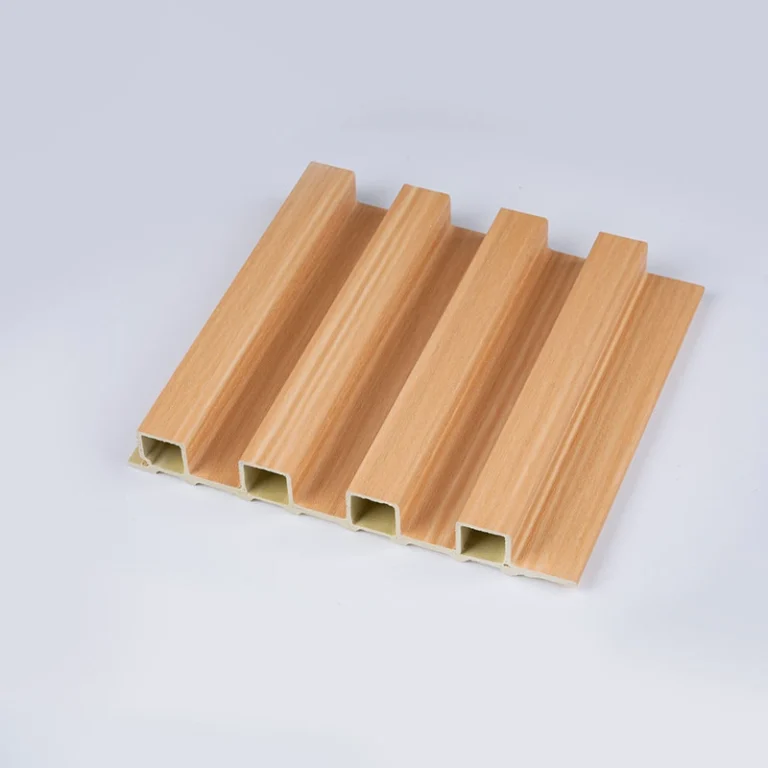
Color&Design
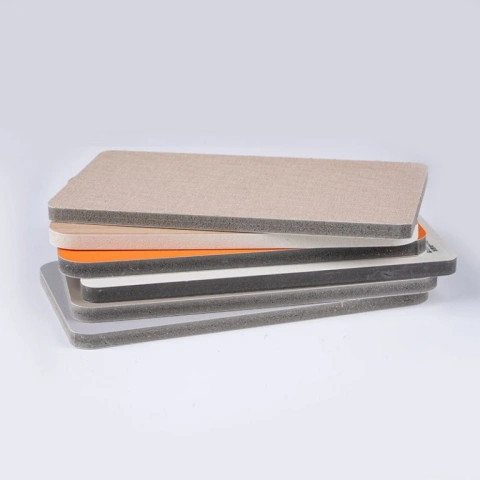
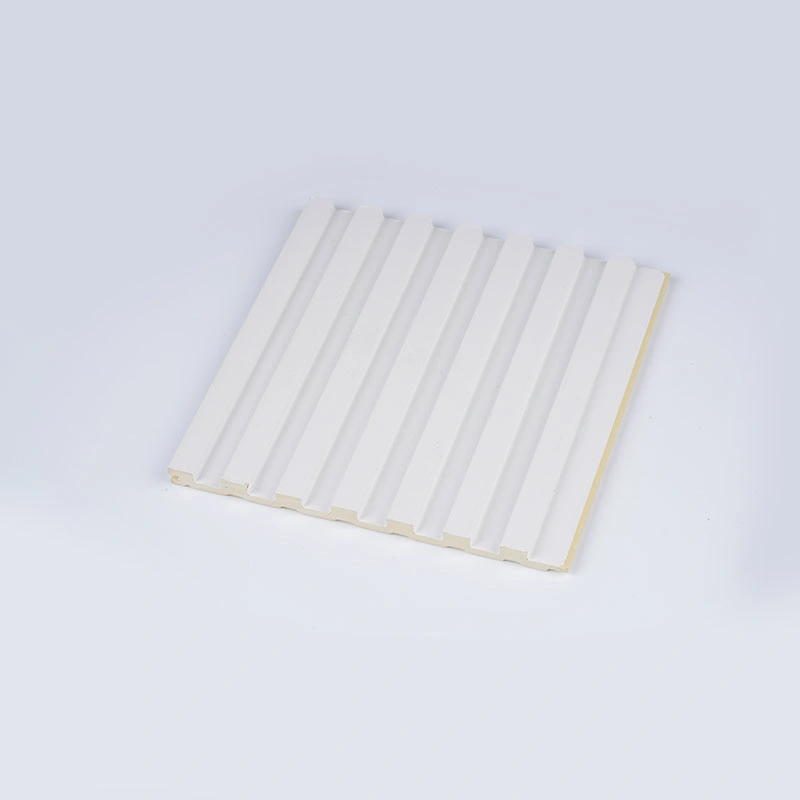
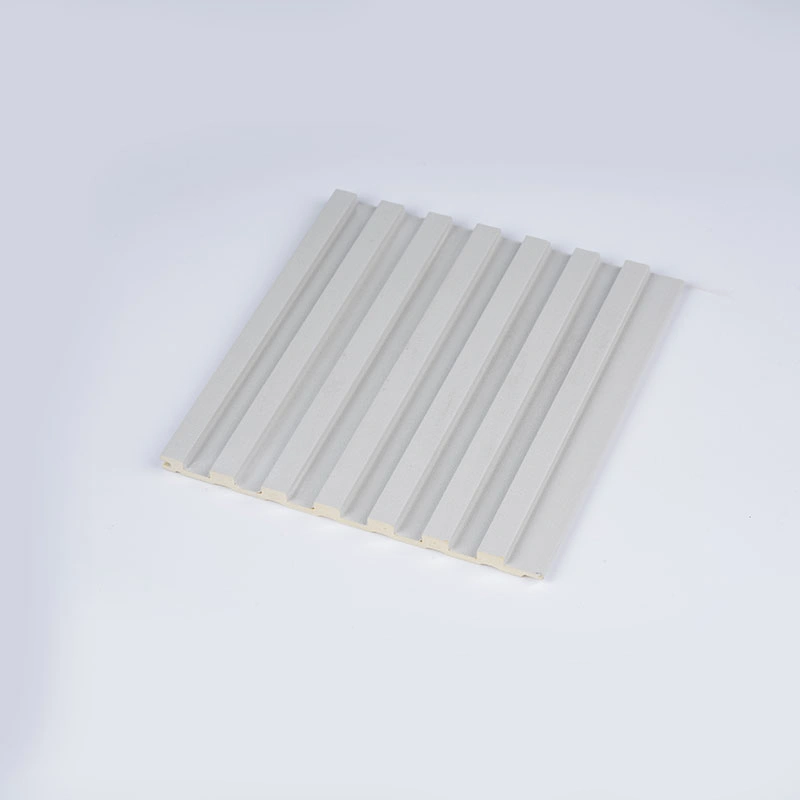
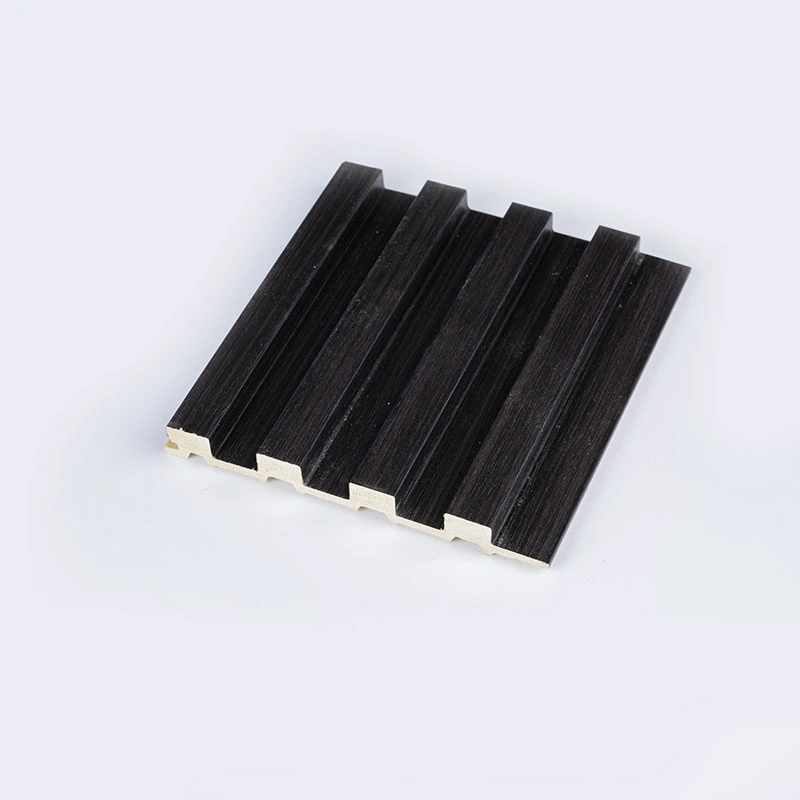
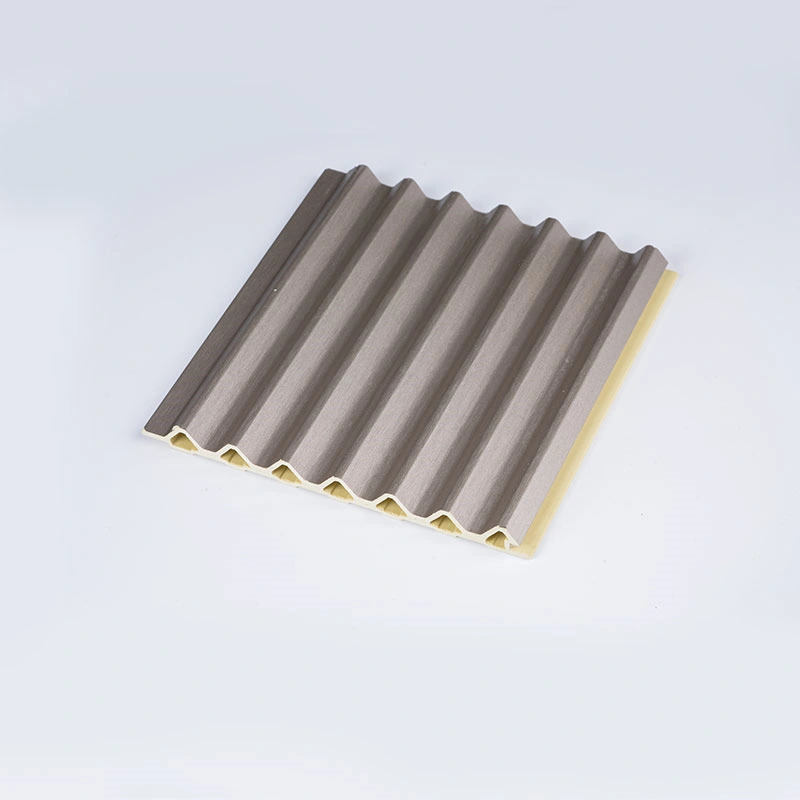
Solid Color Series


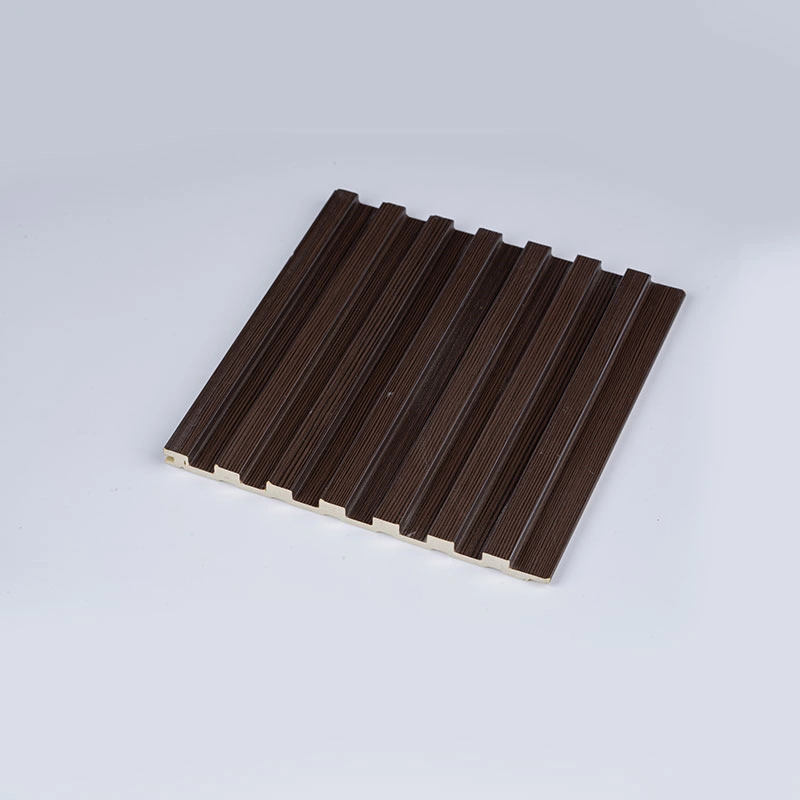
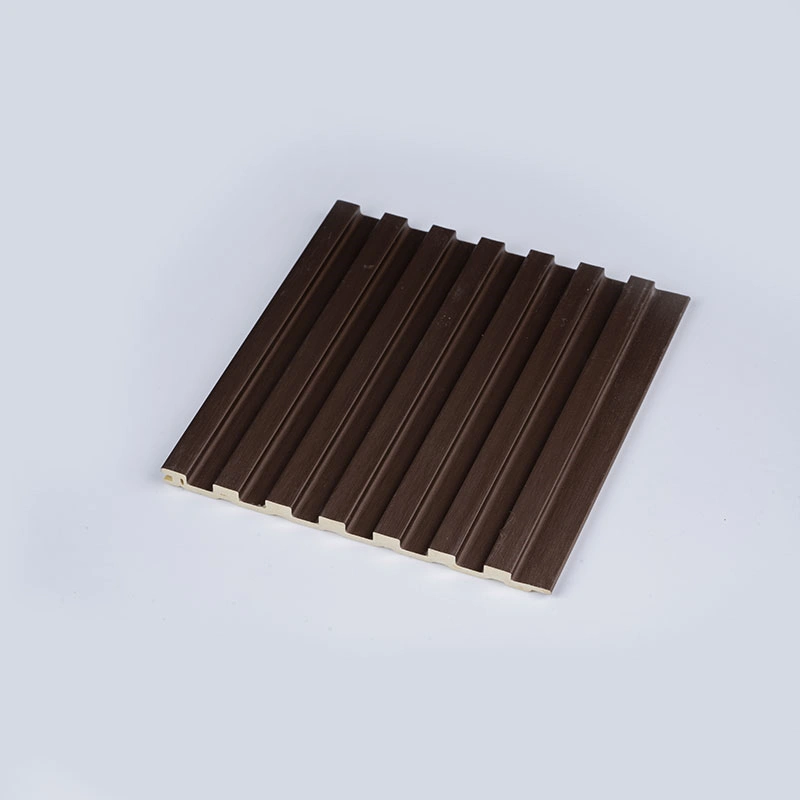
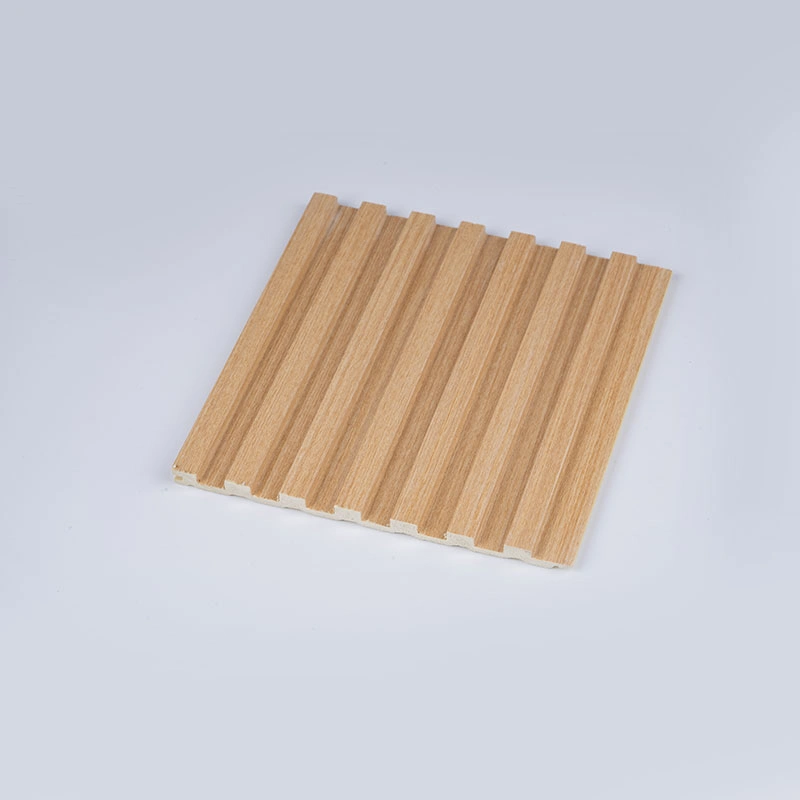

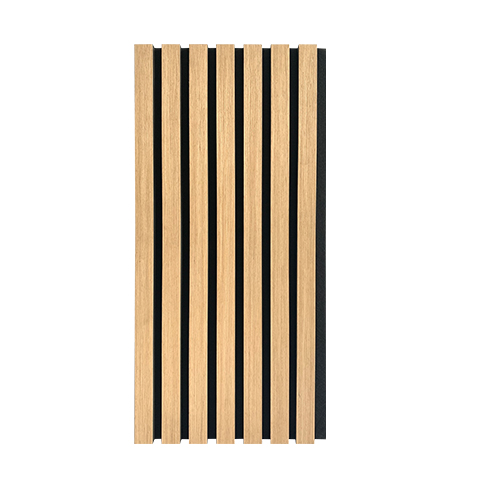
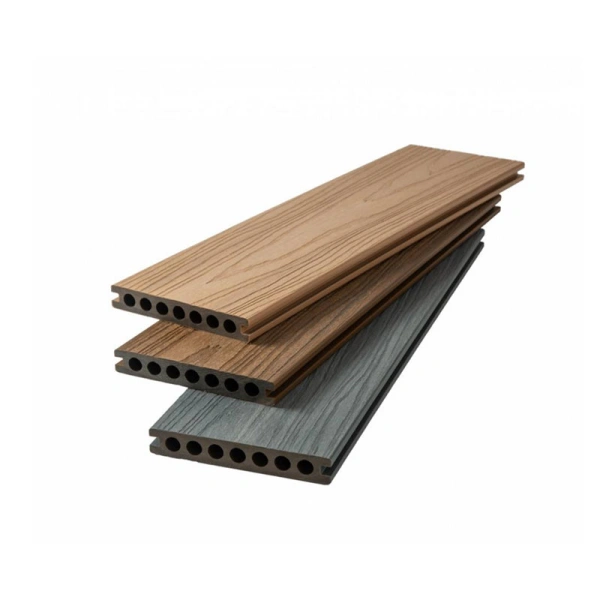
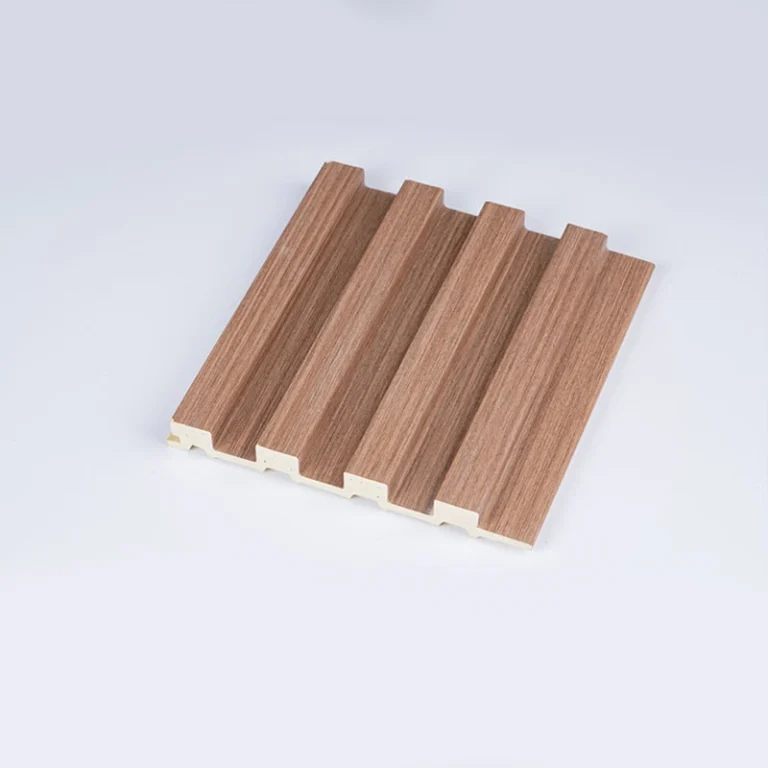
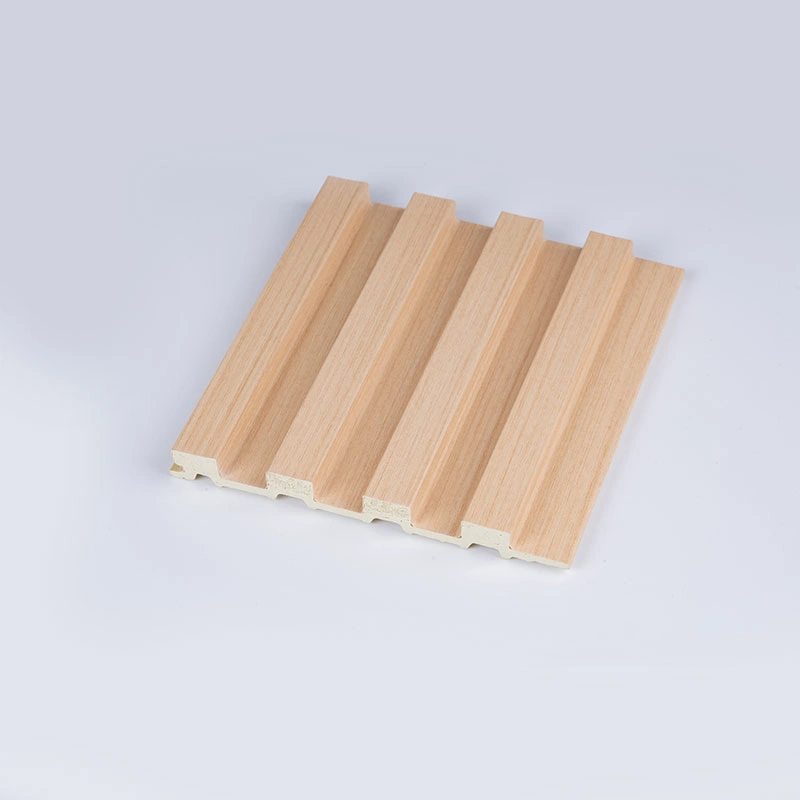
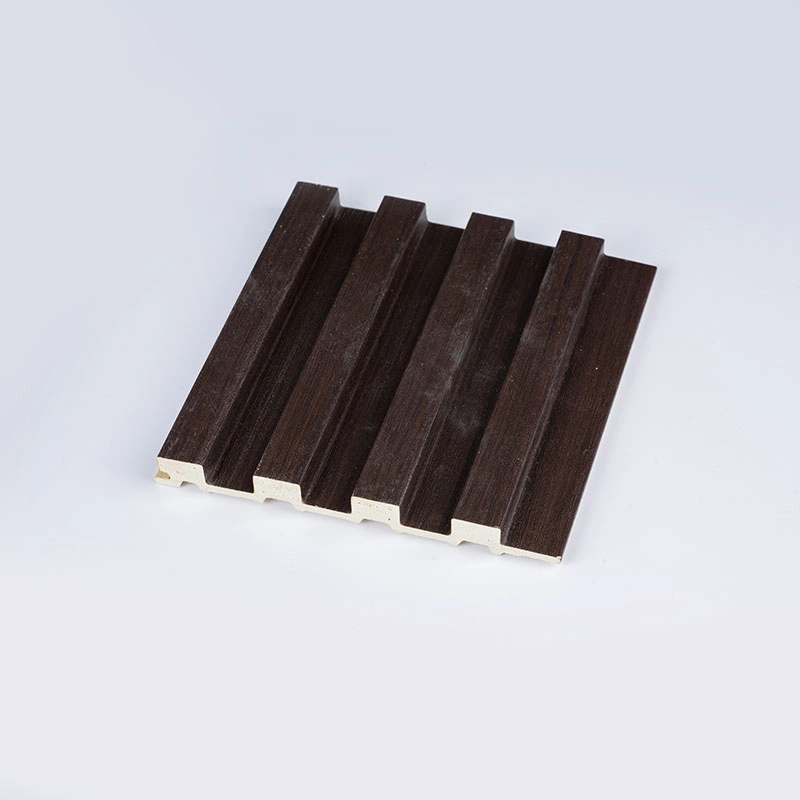
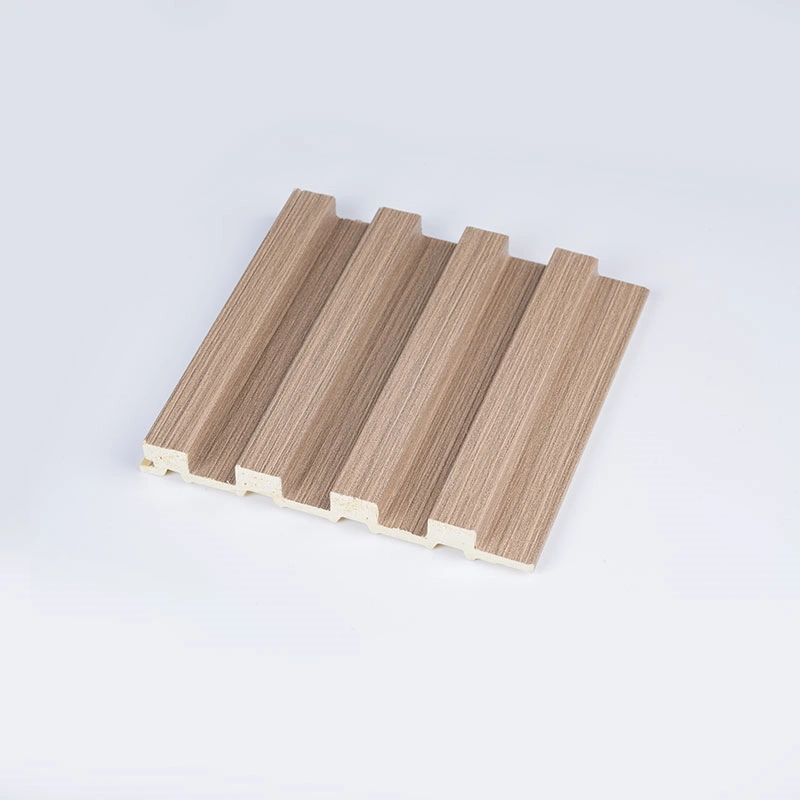
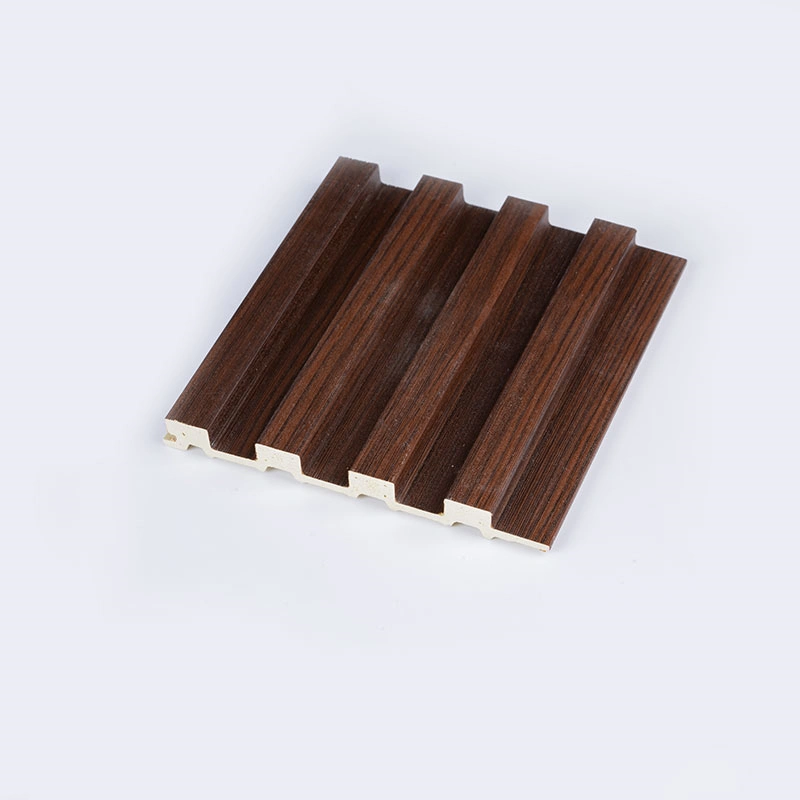
Wood Grain Series

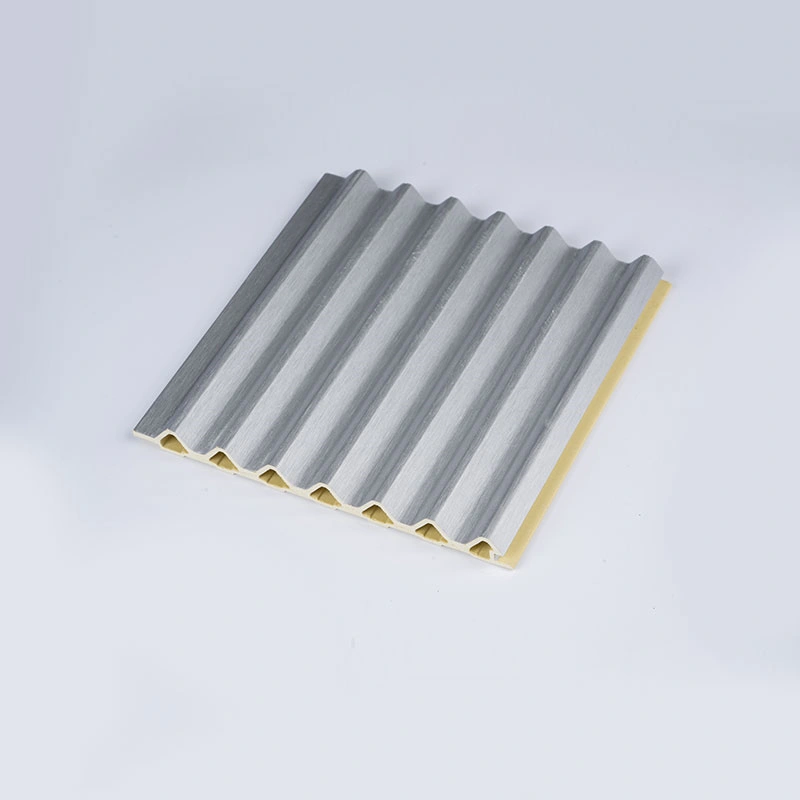
Features
Fashionable and simple
Natural wood grain texture, fashionable and simple, can meet the needs of different customers.
Highly environmentally friendly
Highly environmentally friendly, pollution-free, wood plastic materials are paint free, glue free, and can avoid formaldehyde secondary pollution
High safety factor
Wood plastic products that can be nailed, planed, sawed, drilled, have strong plasticity, and contain steel
Wood plastic durable and maintenance free
- Waterproof, moisture-proof,insect proof, no cracking, no deformation, durable service life.
- Long term use without fading, no need for repair and maintenance, saving costs for later repairs and maintenance.
Precise customization
- Precise customization, low loss, easy installation, wood plastic products can be precisely customized according to construction requirements
- Size, with various specialized installation accessories, saving time and effort during installation, and convenient to operate.
Strong weather resistance
Suitable for areas ranging from Hainan Island in the south to Mohe in the north.
Energy conservation
Government support, energy conservation, and the use of wood plastic not only provide you with high-quality profiles, but also protected a tree from logging, responded to government calls, protected the ecological environment, and improved the increasingly the deteriorating air quality contributes to the cause of environmental protection.
Application Areas

WPC Wall Panel for balcony
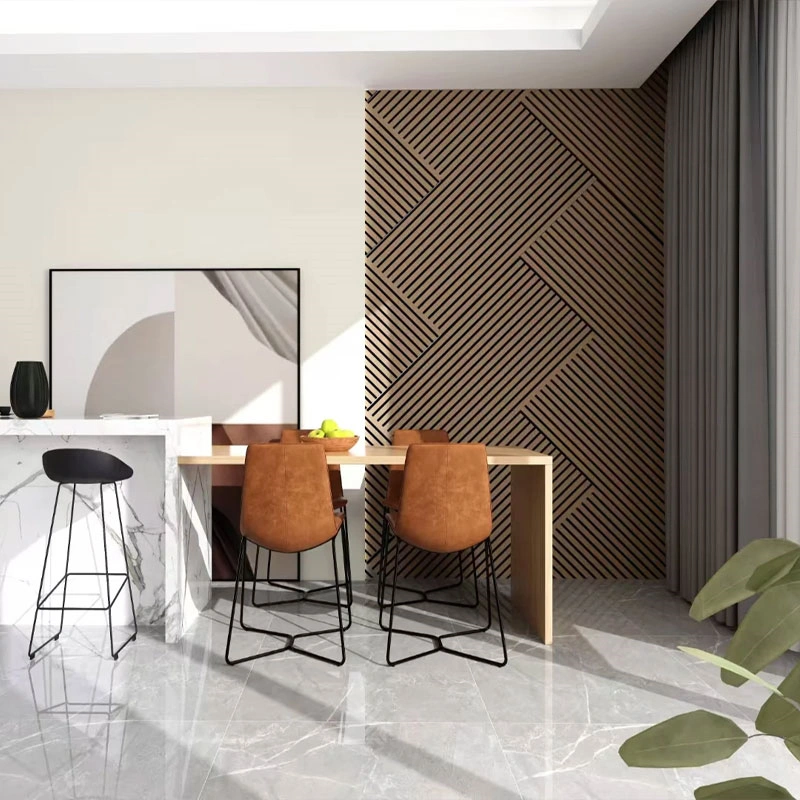
WPC Wall Panel for bar counter
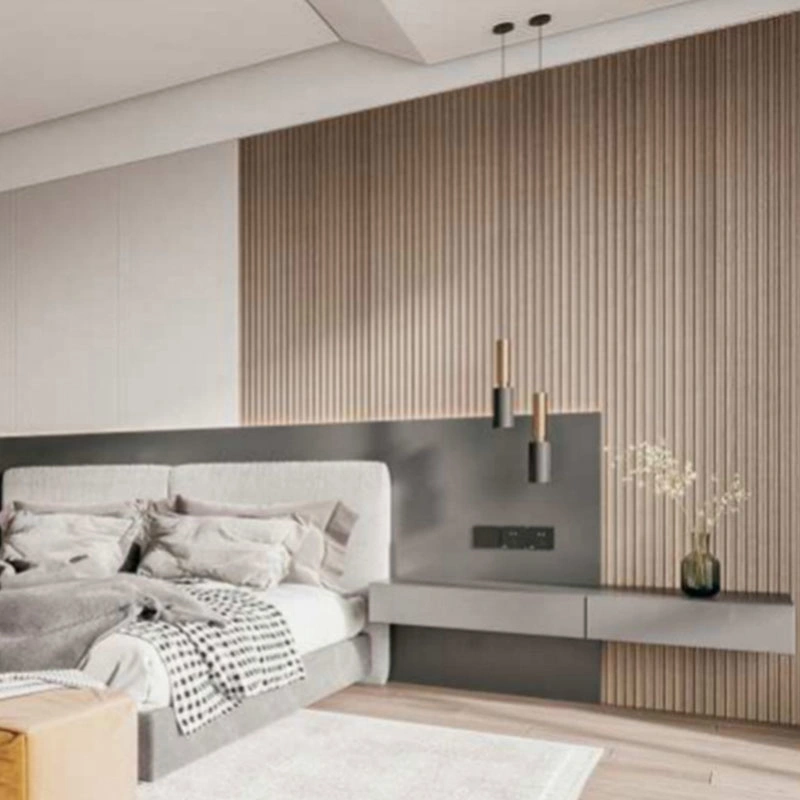
WPC Wall Panel for bedroom
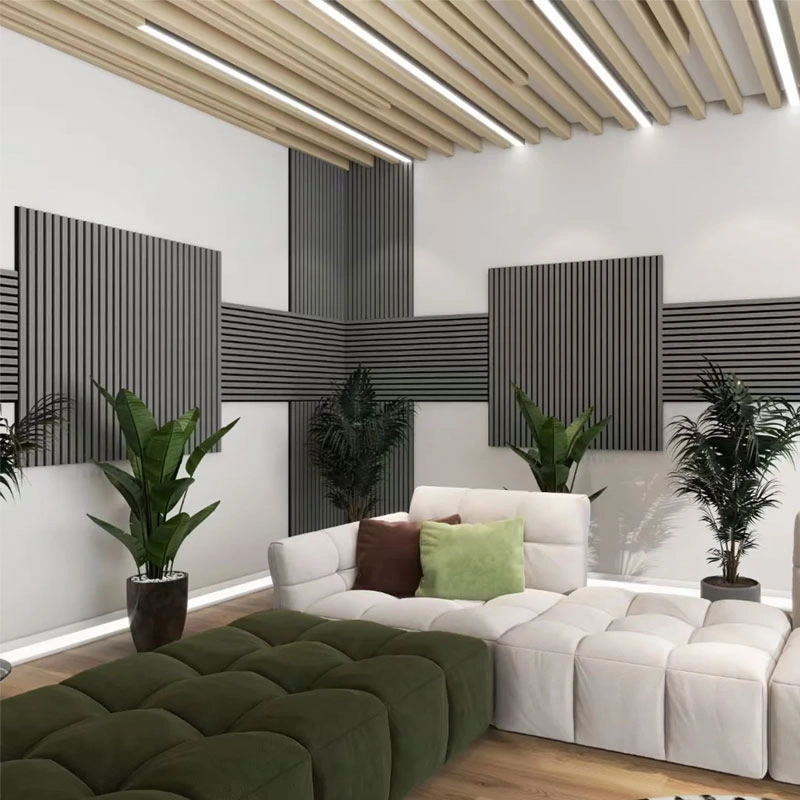
WPC Wall Panel for Commercial space
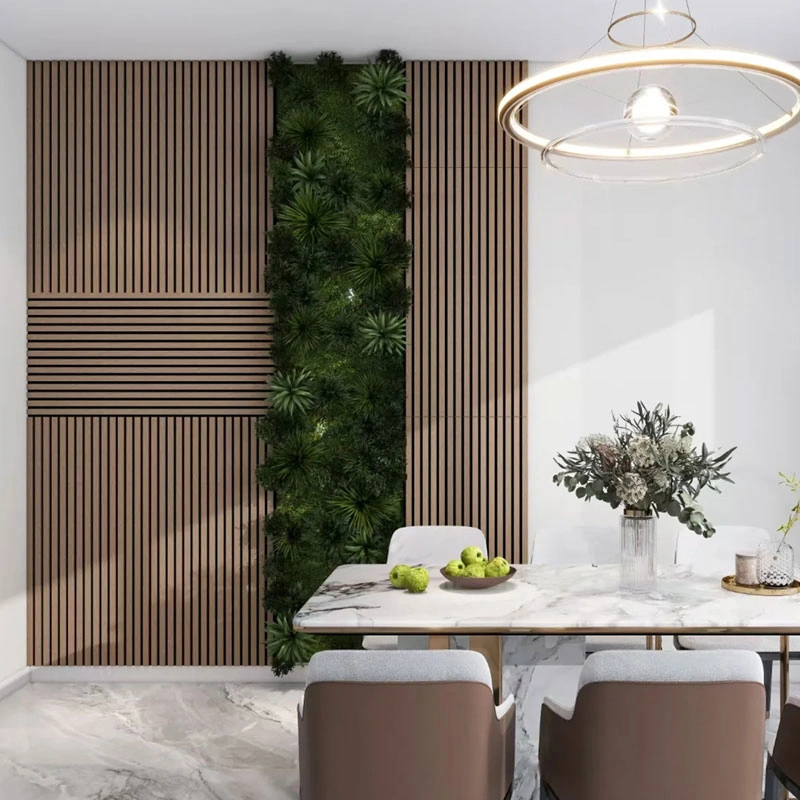
WPC Wall Panel for Dining room
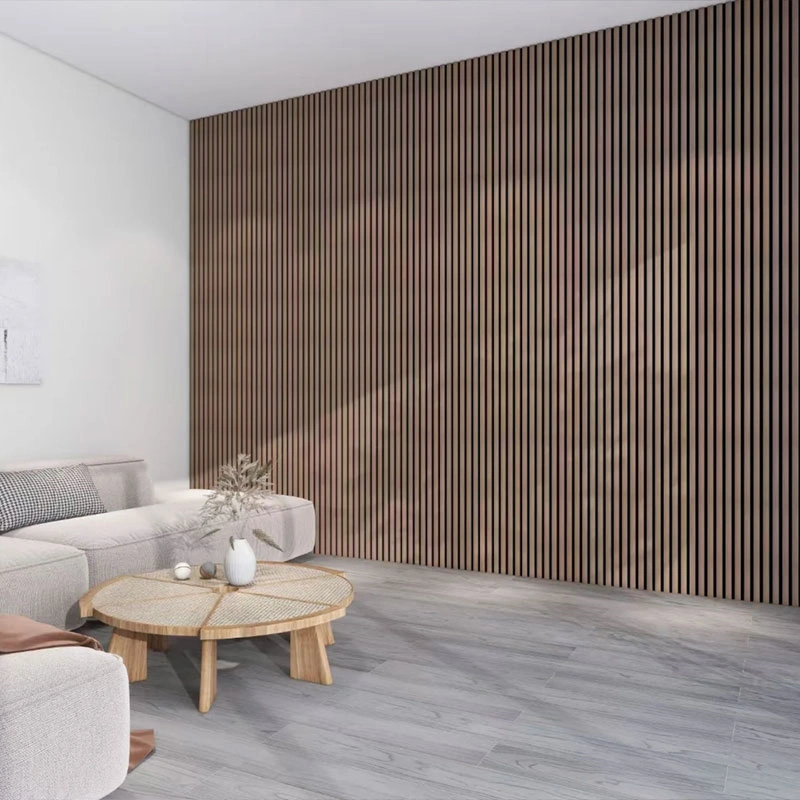
WPC Wall Panel for living room
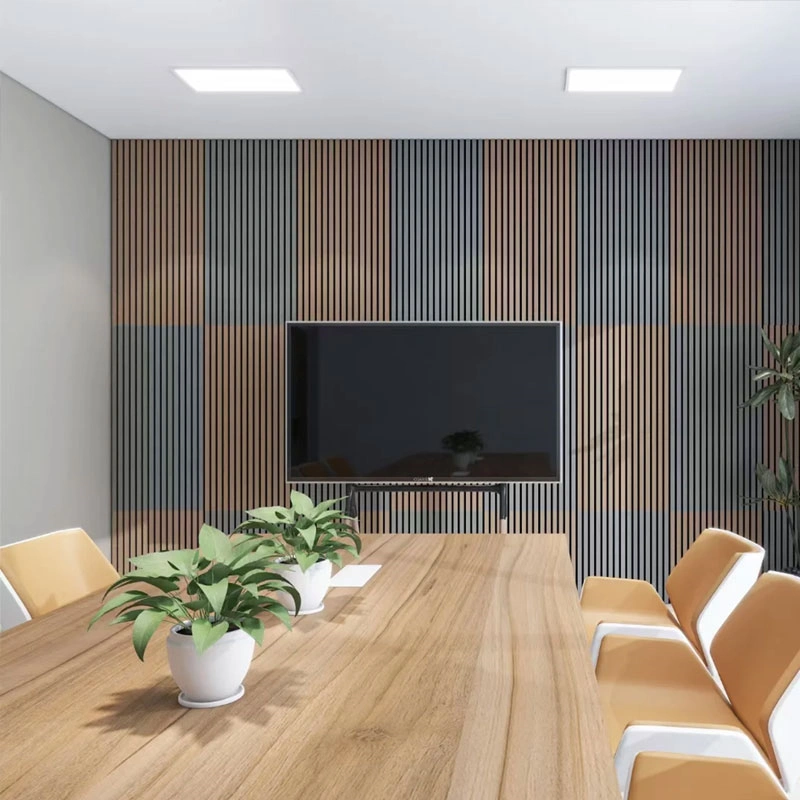
WPC Wall Panel for meeting room
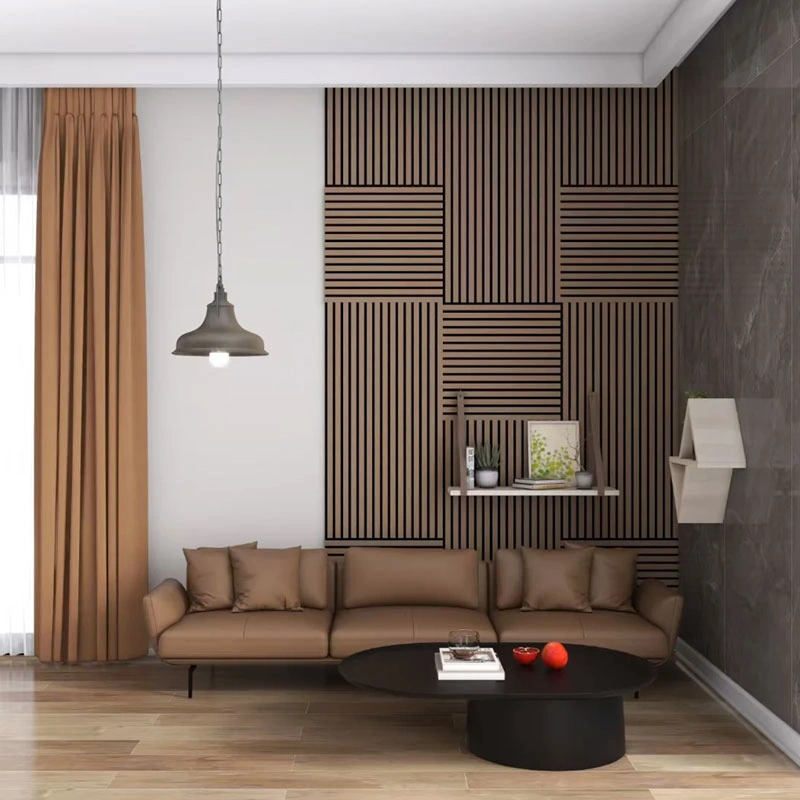
WPC Wall Panel for public area

WPC Wall Panel for Reception room
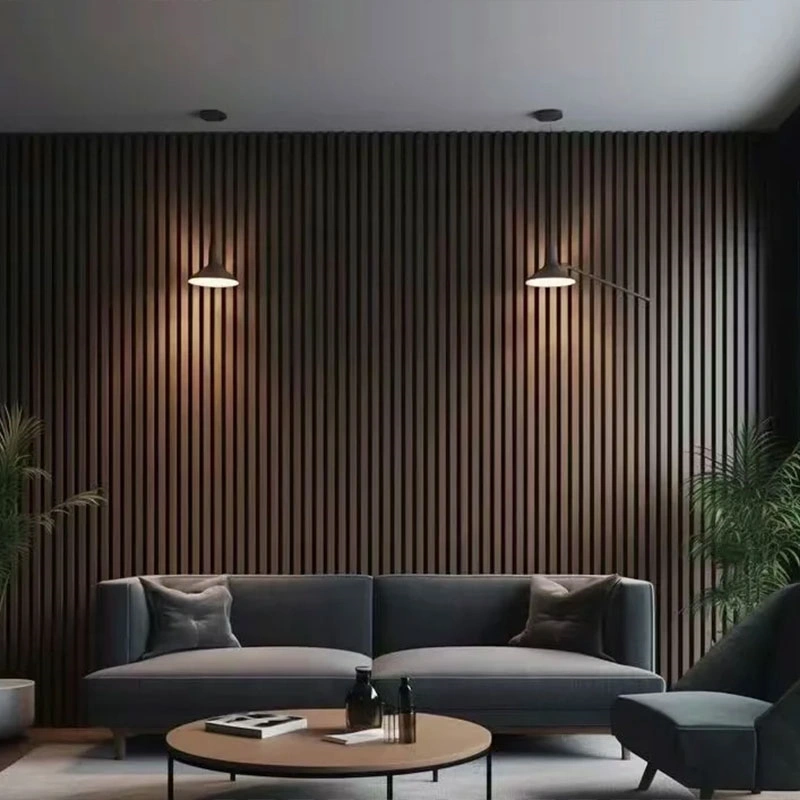
WPC Wall Panel for waiting room

WPC Wall Panel for Background wall
Parameters
| Parameter | Description |
| Model / Size | 160*24mm or Customized |
| Thickness | 6-15mmor Customized |
| Material | 50%-60%Wood Fiber, 30% – 40%Plastic Polymer,5% – 10%Functional Additives |
| Surface Finish | Wood Grain Surface, Solid Color Surface,Embossed Surface, or Matte Surface.(Customizable) |
| Color Series | Natural Wood Grain Series, Solid Color Series, Custom Color Series., DIY (Customizable) |
| Application | Building Facades,Interior Decoration,Commercial Spaces |
| MOQ | 20GP Container |
| Accessories | Mounting Kit (Screws, Wall Plugs), Saw, Screwdriver, Tape Measure, Pencil, Power Drill, Rubber Mallet |
| Service Life | 25+ Years |
| Certifications | FSCf CE, ISO 9001:2008, SGS |
| Maintenance | Low Maintenance, No Painting, No Glue |
| Packaging | Cartons, Wooden Pallets, Corner Protectors |
FAQ
WPC stands for Wood Plastic Composite. Essentially, it’s a clever hybrid material made from a blend of reclaimed wood fibers and recycled plastic (HDPE). The result is a panel that looks and feels like high-end timber but doesn’t suffer from the usual “wood problems.” It gives you that warm, organic aesthetic without the constant worry about rot, termites, or water damage.
The biggest “pro” is the zero-maintenance lifestyle. Natural wood looks great on day one, but it eventually cracks, warps, or needs re-staining. WPC is “fit and forget.” It’s much more stable in fluctuating temperatures, it’s 100% termite-proof, and it won’t splinter. From a budget perspective, while the upfront cost is similar to mid-range wood, you save a fortune in the long run on oils, paints, and repairs.
Yes, but you need to check the specific grade. We produce both interior and exterior versions. Our outdoor WPC cladding is designed with a high density and UV-resistant additives that can handle rain, snow, and direct sun. Unlike timber, which soaks up water like a sponge, WPC’s plastic component creates a moisture barrier, making it the perfect choice for garden walls, patios, and pool areas.
If you can use a drill and a saw, you can install WPC panels. Most of our boards use a “hidden clip” or “tongue and groove” system. You aren’t nailing through the face of the board (which ruins the look); instead, you secure clips to a sub-frame (battens) and slot the panels together. It’s a very clean, professional-looking DIY project that moves much faster than traditional masonry or wet-wall installation.
Every material exposed to direct UV will change slightly over time, but WPC is far superior to painted wood. Most WPC panels will undergo a very slight “weathering” in the first 3 to 6 months as they settle into the environment, but after that, the color stays remarkably stable. We add UV-stabilizers to our mix to ensure your charcoal gray or walnut brown doesn’t turn into a dull silver after one summer.
Actually, WPC is one of the greenest building materials available today. It’s a circular economy product—we take sawdust and wood scraps that would normally be burned and mix them with recycled plastics. By choosing WPC, you’re preventing deforestation and keeping plastic out of landfills. Plus, the panels themselves are fully recyclable at the end of their long life.
You can put away the sandpaper and the varnish. All a WPC wall needs is a quick wash with soapy water and a soft brush once or twice a year to remove dust or pollen. For outdoor panels, a low-pressure hose-down is usually enough. Because the color is baked into the material, you never have to worry about peeling paint or unsightly chips.
Quality Certification