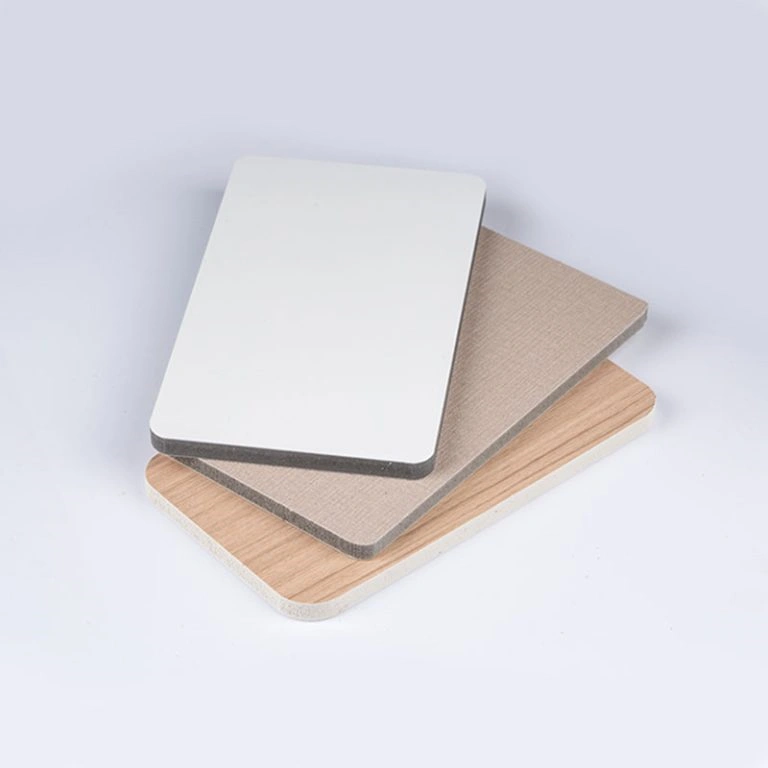
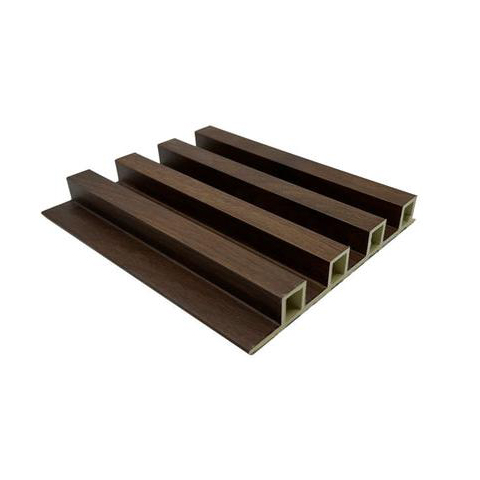
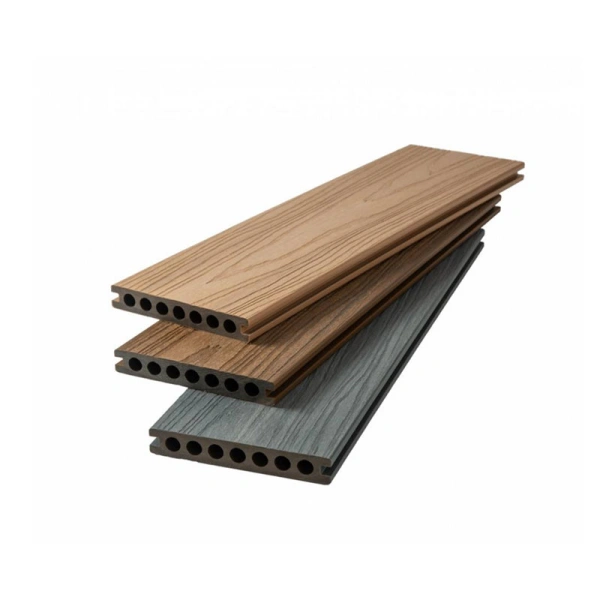
Architectural wall panels are prefabricated systems designed for the efficient cladding of building interiors and exteriors. Serving as both protective barriers and aesthetic statements, these panels have become fundamental components in modern construction, offering a blend of performance, durability, and design versatility.
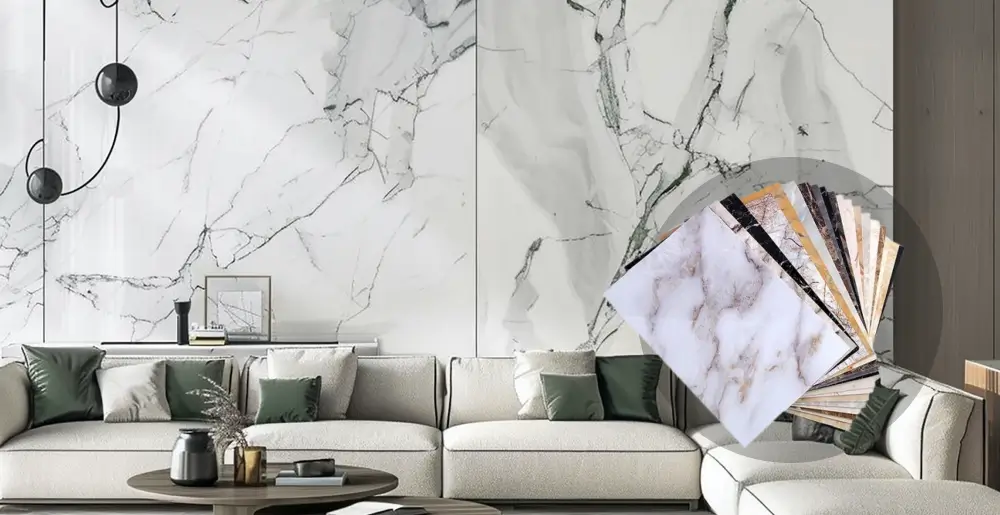
1. Understanding Architectural Wall Panels
1.1 Definition and Key Characteristics
Architectural wall panels are large, factory – finished units installed onto building frameworks to form the external envelope or internal partitions. Key characteristics include:
- Prefabrication: Manufactured under controlled conditions, ensuring consistent quality and dimensional accuracy.
- Modularity: Supplied in standardized or custom – sized modules for streamlined assembly.
- Integrated Functionality: Modern panels often combine structural support, thermal insulation, acoustic control, and finished surfaces in a single system.
1.2 Materials Used in Architectural Wall Panels
The choice of material dictates the panel’s performance, appearance, and application:
- Natural Stone: Such as marble, granite, and slate, offering timeless elegance and unique veining.
- Metal: Including aluminum composite panels (ACP), zinc, and coated steel, known for their modern aesthetic, strength, and light weight.
- Fiber Cement: Composed of cement, sand, and cellulose fibers, prized for its fire resistance, durability, and minimal moisture absorption.
- Wood – Plastic Composite (WPC): Blending wood fibers with polymers to create a product with the look of wood and enhanced resistance to rot, insects, and weathering.
- High – Pressure Laminates (HPL) and Terracotta: Offering a wide array of colors, textures, and sustainable properties.
1.3 Common Applications and Benefits
Wall panels are utilized in commercial high – rises, residential buildings, industrial facilities, and institutional projects. Their primary benefits include:
Accelerated Construction: Significantly reduce on – site installation time compared to traditional wet – trade methods.
Structural Protection: Shield the building envelope from rain, wind, UV radiation, and thermal cycling.
Enhanced Building Performance: Contribute to improved energy efficiency, weatherproofing, and acoustic comfort.
2. Advantages of Using Wall Panels
2.1 Aesthetic Appeal and Design Flexibility
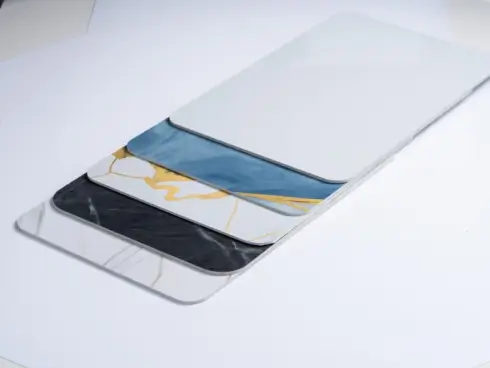
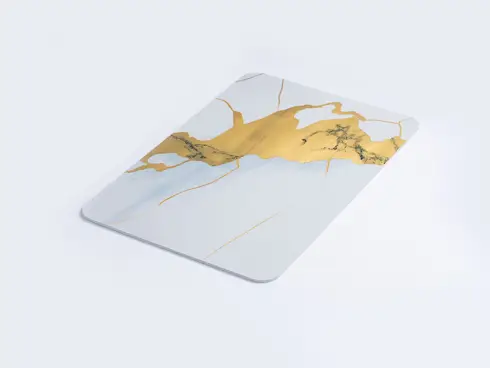
Panels provide architects with immense creative freedom. They are available in an extensive range of colors, textures, finishes, and shapes, enabling the realization of diverse design visions from minimalist to ornate.
2.2 Enhanced Durability and Maintainability
Engineered to withstand harsh environmental conditions, high – quality panels offer excellent resistance to impact, corrosion, and fading. Their surfaces are often low – maintenance, requiring only occasional cleaning to retain their appearance.
2.3 Energy Efficiency and Thermal Performance
Many wall panel systems incorporate continuous insulation, reducing thermal bridging and improving the building’s overall energy performance. This leads to lower heating and cooling costs and a reduced carbon footprint.
3. Types of Architectural Wall Panels
3.1 Interior Wall Panels
Designed for indoor applications, these panels focus on aesthetics, acoustics, and creating healthy environments. Common types include acoustic wood panels, decorative 3D panels, and operable partition systems.
3.2 Exterior Wall Panels
Acting as the primary weather barrier, these panels must be robust and weather – resistant. Common systems include curtain walls, ventilated rainscreen facades, and insulated metal panels (IMPs).
4. The Wall Panel Installation Process
4.1 Pre – Installation Preparation
Successful installation begins with precise site measurement, substrate leveling, and the careful layout and fixing of the supporting framework or substructure.
4.2 Installation Techniques and Methods
Key installation systems include:
- Ventilated Rainscreen System: Creates a drainage cavity behind the panels, allowing moisture to escape and enhancing thermal performance. This is the standard for high – performance exteriors.
- Direct – Adhesion Method: Suitable for lighter interior panels or specific exterior claddings, using high – strength adhesives.
4.3 Common Challenges and Solutions
- Challenge: Improper Sealing and Joint Design. Solution: Utilize specialized gaskets, sealants, and engineered joint profiles to ensure long – term weather – tightness.
- Challenge: Thermal Expansion and Contraction. Solution: Incorporate expansion joints and sliding fixings into the design to accommodate material movement.
- Challenge: Complex Detailing. Solution: Employ custom – engineered trims, corners, and flashings for a seamless and professional finish.
5. Innovations in Wall Panel Technology
5.1 Sustainable and Eco – Friendly Materials
The industry is increasingly adopting panels made from recycled content, rapidly renewable resources, and materials with low VOC (Volatile Organic Compound) emissions. Life – cycle assessment (LCA) is becoming a standard for evaluating environmental impact.
5.2 Advancements in Manufacturing Processes
Digital printing technology allows for high – definition, photorealistic graphics and patterns on panel surfaces. Furthermore, the integration of nanotechnology is creating “smart” surfaces with self – cleaning, air – purifying, or photocatalytic properties.
6. Choosing the Right Brand: Borderless
In a competitive market, Borderless stands out as a manufacturer committed to excellence and innovation. Our panel solutions are defined by:
Premium Material Selection: Sourcing high – grade natural stone and advanced composites.
Precision Engineering: Utilizing state – of – the – art manufacturing for flawless consistency and fit.
Comprehensive Technical Support: Providing end – to – end service from design consultation and custom fabrication to detailed installation guidance.
Selecting Borderless is an investment in quality, reliability, and enduring aesthetic appeal.
7. Future Trends in Architectural Wall Panels
7.1 Smart Panel Technology
The future lies in dynamic, multi – functional panels. We anticipate wider adoption of Building – Integrated Photovoltaics (BIPV), panels with embedded sensors for building health monitoring, and adaptive facades that respond to environmental conditions.
7.2 Evolving Design Trends
Designs are moving towards bold, expressive forms. Expect increased use of large – format panels, dynamic textures, biophilic designs that connect with nature, and mixed – material compositions for visual depth.
8. Why Architectural Wall Panels Are Worth Considering
Architectural wall panels represent a sophisticated and efficient building solution. They seamlessly merge functionality, durability, and design expression. For any project aiming to achieve superior performance, accelerated construction timelines, and a distinctive architectural identity, high – quality wall panels present a compelling and forward – thinking choice.